
Youth safety coaching asks every coach, parent, teammate, and school leader to treat safety as part of player development, not as a separate meeting after tragedy strikes. On September 25, 2026, LePaul Warren Jr., a 17-year-old senior at Westbury High School in Houston, was fatally shot near campus. Research notes described him as a standout football and basketball athlete, the kind of young person whose schedule, friendships, confidence, and identity were deeply tied to sports.
As a coach and mentor, I hear that detail first: he was an athlete. That does not reduce his life to games played or positions listed. It reminds us that sports often give young people a daily structure, a trusted adult, a locker room family, and a reason to believe tomorrow can be better than today. When a young athlete is lost to violence, a whole team feels it. A school feels it. A neighborhood feels it. The response has to be caring, honest, and steady.
The research notes also reported that a 17-year-old Houston teen was arrested on September 26, 2026, and charged with murder in connection with Warren’s death. On October 3, 2026, community members gathered in Westbury to remember Warren and call for action on youth gun violence. Those details matter because the loss did not end at the crime scene. It moved into classrooms, gyms, practice fields, family rooms, and youth programs where students were trying to make sense of grief and fear.
Youth Safety Coaching After A Westbury Loss
Remembering LePaul As An Athlete
LePaul Warren Jr. was described in the research notes as a football defensive back and wide receiver and a basketball point guard. Those roles tell coaches something meaningful. A defensive back learns anticipation. A wide receiver learns trust and timing. A point guard learns to read people, manage pressure, and help others get into position. Those are athletic skills, but they are also life skills.
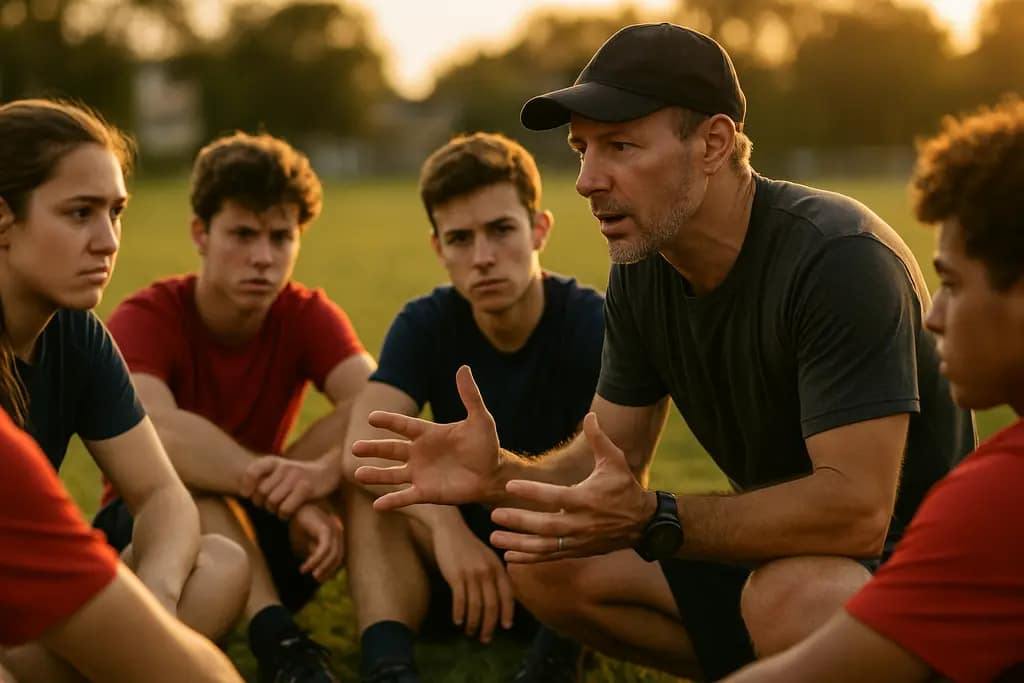
When young people lose a peer who carried that kind of presence, adults should not rush them through grief. A coach can cancel a drill, circle the team, and let players speak. A coach can check on the quiet athlete who is hurting but does not want attention. A coach can remind players that asking for help is not weakness. In a strong team culture, safety includes emotional safety.
Youth Safety Coaching Starts With Listening
Youth safety coaching starts before a whistle blows. It starts by asking athletes what they are seeing on the walk to school, at bus stops, near corner stores, and after practice. Students often know where tension is building long before adults do. Coaches do not need to act like police officers or counselors. They need to be reliable adults who listen, document concerns through the right school channels, and connect students with support.
That is youth safety coaching at its most practical: presence, patience, and follow-through. A player should know that if they say, “Coach, I do not feel safe,” the adult response will be calm and serious. Not every concern can be solved by a team. Yet every concern can be received with dignity.
What Coaches Can Do After A Violent Death
Set The Tone For The Team
After a violent death, the first team meeting matters. Athletes listen closely for what adults value. If a coach only talks about getting back to work, players may hear that pain is an inconvenience. If a coach speaks with care, names the loss respectfully, and gives students room to breathe, players learn that their lives matter beyond performance.
Strong youth safety coaching does not require a perfect speech. It requires a clear message: we will remember our teammate, we will care for one another, we will not spread rumors, and we will ask for help when we need it. That message can be repeated at practice, in the locker room, and in small check-ins with athletes who are carrying the heaviest grief.
Build A Circle Of Trusted Adults
No coach should carry this work alone. Athletic directors, school counselors, teachers, campus safety staff, faith leaders, youth workers, and parents all see different parts of a student’s life. The stronger the circle, the fewer gaps young people fall through.
Coaches can help by keeping communication simple and direct. Who should a player talk to after practice if they feel unsafe? Who contacts families when there is a threat near campus? What is the process for reporting a concern? Are younger athletes paired with older mentors? These questions may sound basic, but basic systems save time when emotions are high.
For teams reviewing their own safety habits, our related piece on athlete safety lessons looks at how adults can make reporting, supervision, and accountability easier for families and players to understand.
Building A Safer Team Culture
Practice Plans Can Include Life Skills
A practice plan can teach more than footwork. Coaches can build short, repeatable moments into the week: two minutes on conflict de-escalation, a reminder about safe rides home, a check-in on social media pressure, or a captain-led conversation about walking in groups after late practices. These are not distractions from sports. They protect the conditions that allow sports to help young people grow.
National data show why the work has urgency. In 2024, the unintentional injury death rate among U.S. youth ages 10 to 19 was 11.6 per 100,000, with motor vehicle traffic deaths, poisoning, and drowning listed among leading mechanisms NCHS youth injury data. That statistic is not about Warren’s case; it is a reminder that youth safety is broad. Athletes need safe transport, safe facilities, safe water access, safe supervision, and trusted adults who notice risk.
Violence Prevention Belongs In The Youth Sports Conversation
The CDC reports that homicide is the second leading cause of death for U.S. youth ages 5 to 18, while fewer than 2% of those homicides occurred on school grounds, on the way to or from school, or during school-sponsored events in data spanning 1994 through 2016 CDC school violence findings. For coaches, that combination carries a hard lesson. Schools and teams may be safe spaces for many students, but young people move between campus, home, parks, bus stops, and neighborhood gathering spots every day.
That means prevention cannot stop at the gym door. Teams can coordinate dismissal plans after evening games. Coaches can encourage family pickup networks when transportation is uncertain. Booster clubs can support lighting, supervision, and safe waiting areas where schools allow it. Captains can help younger players understand that walking away from conflict is not cowardice; it is leadership.
- Create a check-in rhythm: ask athletes weekly whether they feel safe getting to and from team activities.
- Name support options: make sure players know which coach, counselor, or administrator to contact after a threat or loss.
- Protect team spaces: set clear expectations against retaliation, rumor-spreading, and online escalation.
- Keep families close: share pickup plans, practice changes, and safety concerns quickly through approved school channels.
Why Youth Safety Coaching Matters For LePaul Warren
Youth safety coaching matters because young people should not have to become symbols after they are gone. LePaul Warren Jr. was a son, student, teammate, and athlete. The Westbury gathering on October 3, 2026, reflected grief, but it also reflected responsibility. Families and neighbors were asking adults to show up before another student is lost.
The sports community can answer that call with steady action. Coaches can mentor the athlete who is angry. Teammates can walk together after practice. Schools can make reporting pathways clear. Parents can stay connected to team schedules and transportation needs. Local leaders can treat youth sports spaces as prevention spaces, not only competition spaces.
As coaches, we do not control every street or every decision a young person faces. But we do control the tone we set, the doors we keep open, and the habits we build inside our programs. If a player learns discipline, trust, and courage on a practice field, that growth should follow them into the rest of life. Honoring LePaul Warren means carrying that work with care, consistency, and a community-wide commitment to help young people feel seen before they feel alone.