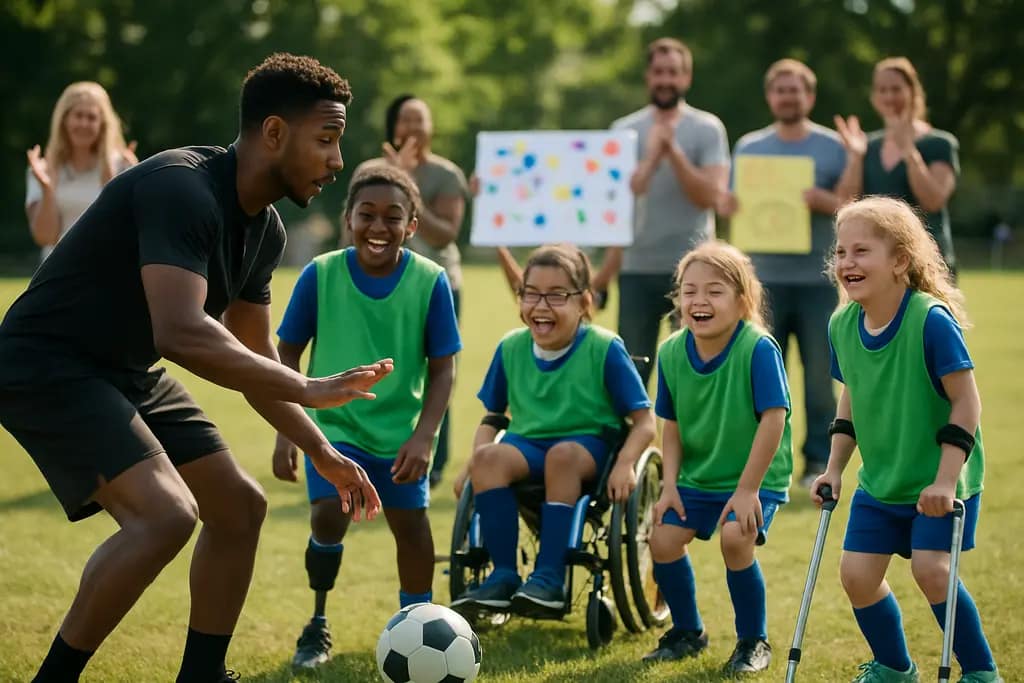
Fairfield Dream League in Cypress, Texas, offers a clear sports-first model for inclusion: baseball games, player choice, accessible fields, family support, and youth volunteers working side by side. In October 2026, the league began its third season, giving children with physical, developmental, and intellectual challenges a structured place to play baseball in their own community FOX 26 Houston.
The model stands out because it keeps the sport recognizable while adjusting the setting around each athlete. Players can take part with help from a buddy, use a wheelchair-accessible synthetic turf surface, and receive the support they need during batting, running, and fielding. That balance matters for youth development because the program does not separate belonging from skill-building. It places players on teams, gives them jerseys, schedules games, and surrounds them with peers who help the action continue.
As of October 20, 2026, available reporting described a local league that had grown quickly, while still protecting the details that make participation realistic for families. The Cypress example is not just about adding more players. It is about how a sports association can adjust cost, field access, equipment, and volunteer roles so that more children can feel like athletes on game day.
How Fairfield Dream League Centers The Athlete
The first strength of the Fairfield model is that baseball remains the center. The league serves children who may be nonverbal, use wheelchairs, or need support tied to physical, developmental, or intellectual challenges. Yet the core rhythm is still the familiar youth baseball rhythm: teams, jerseys, buddies, fields, Saturday games, and the chance to bat and run the bases.
Fairfield Dream League Keeps Choice On The Field
One of the most practical parts of the program is player choice. Research notes that athletes may hit from a tee or receive pitches, depending on comfort, ability, and skill level. That matters because choice keeps the athlete involved in the sport, rather than forcing one standard approach for every player. A child who is building confidence can use a tee. Another child who is ready for a thrown pitch can take that step. The same field can support different athletes without making those differences feel like barriers.
The buddy structure also keeps the experience active. Each player is paired with a volunteer buddy, often a local youth, who assists with batting, running, fielding, and general support Yahoo Sports. That support can help the game move while still keeping the Dream League athlete at the center of the play. The buddy is not there to take the moment away. The buddy helps create the conditions for the player to take part.
Accessible Surfaces Turn Intent Into Action
Inclusion in youth sports is not only a coaching idea. It also depends on the field itself. Reporting says the league field surfaces were converted to synthetic turf that is wheelchair-accessible. That facility choice matters because a child who cannot safely move across a standard surface may be left out before the first pitch. A wheelchair-accessible field helps turn a welcoming message into an actual sports setting.
For communities studying this model, the lesson is direct: access has to be built into the game-day plan. If fields, equipment, and support roles are not ready, families carry too much of the burden. Cypress shows how a local association can reduce that burden by preparing the venue and the format around the athletes who will use it.
Why Growth In Cypress Points To Community Trust
The league’s growth suggests that families and volunteers saw value in the program. In one year, it grew from fewer than 30 players and two teams to roughly 60 players across four teams, according to reporting. That is a major change for a local sports program, especially one serving athletes who may need more planning, support, and accessible space.
Growth alone does not prove every need has been met, and public reporting does not provide a full evaluation of player outcomes. Still, the available facts show a community response that is hard to ignore. Families returned or joined. Volunteers showed up. Fairfield Sports Association continued to provide the structure. The program moved from a smaller start into a broader fall baseball presence in Cypress.
Zero Cost Helps Families Say Yes
The cost design is one of the strongest parts of the Fairfield Dream League model. The league operates at zero cost to families, with Fairfield Sports Association providing equipment, field access, and custom jerseys with player names. In practical terms, that means a family is not asked to solve every sports expense before their child can join a team.
That detail has real community meaning. Youth sports often ask parents to manage fees, gear, uniforms, schedules, and transportation. For families already arranging support for a child with disabilities or developmental needs, a no-cost program can remove a major barrier. The custom jersey detail is also important. A jersey with a player’s name signals that the athlete is not a guest at someone else’s event. The athlete belongs to a team.
Saturday Games Match Local Sports Life
The Fairfield schedule also helps the program feel like part of the local youth sports culture. Reporting states the league hosts five games per season and that games are scheduled every Saturday during the fall season. The games run at the same time as the typical youth sports schedule in the area, which helps place Dream League families into the shared rhythm of fall sports.
That choice carries meaning beyond convenience. A Saturday schedule gives siblings, parents, volunteers, and neighbors a familiar game-day frame. It also helps the athletes take part in the same seasonal sports identity that many children in Cypress experience. The message is simple: this is not separate from youth sports life. It is youth sports life, built with access in mind.
What The Buddy Model Teaches Young Volunteers
The buddy model is a major reason this program fits youth development as well as inclusive sports. Buddies, often local young people, support players during live baseball moments. They may help with batting, running, fielding, or general on-field movement. In that role, volunteers practice patience, communication, awareness, and teamwork in a real sports setting.
Those lessons are not abstract. A buddy has to pay attention to the player’s needs, listen to cues from coaches and families, and keep the game fun and safe. The volunteer learns that leadership is not only about scoring or being the best athlete. It can also mean helping another player reach first base, field a ball, or enjoy a full inning with teammates.
For local schools, teams, and youth groups, this is one of the most useful parts of the model. It creates a bridge between service and sport. Young volunteers can connect what they love about baseball with a wider sense of responsibility. For related community ideas, our coverage of sports-based youth programs looks at how organized play can support young people beyond the scoreboard.
Program Elements Other Communities Can Study
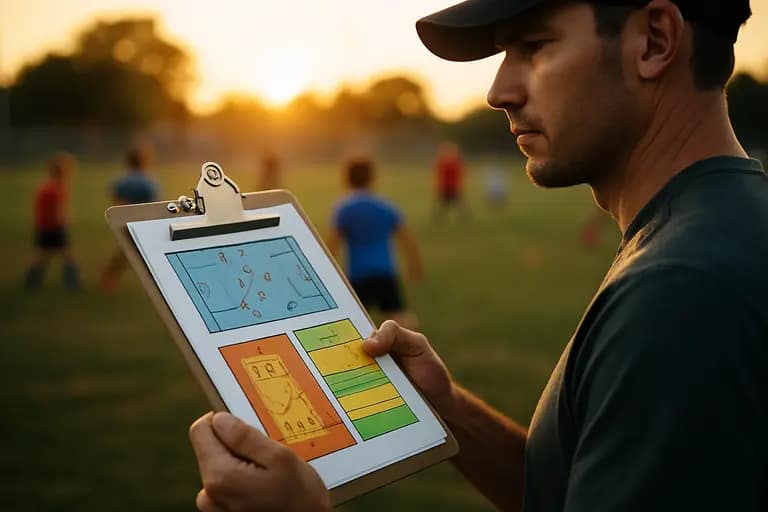
Communities that want to learn from Cypress do not need to copy every detail without review. Local fields, volunteer pools, budgets, and family needs will differ. The value of the Fairfield Dream League is that its reported structure gives other communities a set of clear program elements to examine.
- Accessible venue: wheelchair-accessible synthetic turf helps athletes take part on the field.
- No family fee: equipment, field access, and custom jerseys are provided by the sports association.
- Buddy support: every player is paired with a volunteer who assists during baseball activities.
- Player choice: athletes may hit from a tee or receive pitches based on comfort and skill level.
- Recognizable season format: the league plays five games in a fall Saturday schedule.
These elements work together. A no-cost program still needs accessible fields. An accessible field still needs volunteer support. Buddies still need a clear game format. The Cypress model shows that inclusion is strongest when the program design supports the whole athlete experience, from registration to the last out.
The Fairfield Dream League also draws participation and volunteer support from Greater Houston suburban communities, including Katy, Spring, and Waller. That reach shows how a well-organized local program can serve families beyond one neighborhood. It can become a shared sports resource for nearby communities that may not yet have the same access.
Fairfield Dream League And The Next Local Standard
The Fairfield Dream League gives Cypress and nearby communities a practical example of inclusive baseball built around real game-day needs. It began its third season in October 2026 with reported growth, a five-game fall schedule, Saturday games, no family cost, accessible turf, custom jerseys, and a buddy for every player. Those details are not extras. They are the structure that helps children participate as athletes.
The most hopeful part of the story is that the model connects many groups at once. Players gain a team setting. Families receive support from a sports association rather than having to solve access alone. Young volunteers learn service through baseball. Coaches and organizers see how field design, scheduling, and player choice can work together.
For communities building inclusive youth sports, Cypress offers a grounded reminder: start with the athlete, remove the barriers that keep families away, and make the game feel like a real season. When that happens, the scoreboard is only one part of the story. The larger win is a community that makes room for more children to wear a jersey, take the field, and be seen as teammates.