Athlete safety has to be more than a policy binder on a shelf. It has to show up in how a coach talks to a player, how a club responds to a concern, how parents are welcomed into the process, and how young athletes learn that their voice matters. The federal investigation involving Texas volleyball coach Ryan Richardson has pushed many families, schools, and club leaders to ask a hard but necessary question: are our student-athlete environments truly built around the well-being of kids?
As a coach and mentor, I see sports as one of the strongest places for young people to grow. A volleyball court can teach communication, courage, discipline, and trust. But trust is never automatic. It is earned through clear boundaries, accountable adults, and systems that protect players even when winning is on the line. When safety breaks down, the damage reaches beyond one team. It touches teammates, parents, younger players watching from the sideline, and the wider community that believes youth sports should help children become stronger people.
Athlete Safety Lessons For Youth Volleyball
Athlete Safety Starts With Clear Boundaries
The Washington Post reported that on September 1, 2026, Homeland Security Investigations opened a federal child exploitation probe into Texas volleyball coach Ryan Richardson after a ProPublica and Washington Post report. The allegations included sexual misconduct with a minor, grooming, physical and emotional abuse, and a romantic relationship with a 16-year-old player Washington Post report. Those are allegations within an ongoing federal investigation as of September 22, 2026, and they should be discussed with care and precision.
The same report said Richardson had been suspended in early 2024 by Lone Star Region Volleyball and was later declared permanently ineligible in February 2025 by the U.S. Center for SafeSport for an “intimate relationship with a minor,” among other misconduct SafeSport discipline details. For youth programs, that timeline is a serious coaching lesson. Discipline from a governing body should not be treated as a side issue. It should trigger immediate review by every club, school, tournament director, and facility that has contact with the coach.
Strong athlete safety is built through simple standards that everyone understands. Coaches should avoid private one-on-one situations with minors, keep communication transparent, and make sure parents and administrators can see how concerns are handled. Players should never feel that playing time, roster status, or college exposure depends on accepting behavior that makes them uncomfortable. A healthy program teaches athletes to speak up early, not stay silent because the adult has power.
Why Oversight Gaps Hurt Player Development
The reporting around Richardson raised concern that a banned coach could still work around teenage athletes through private youth sports settings. That matters because young players often see club coaches as key figures in their athletic path. A coach may influence tournament opportunities, recruiting exposure, team confidence, and a player’s love for the sport. When oversight is unclear, families may assume someone else has checked the adult in charge. That assumption can leave kids exposed.
Player development depends on trust. A middle school or high school athlete cannot grow with confidence if the adults around the team are not accountable. Good coaching asks for effort, focus, and discipline, but it never uses fear, secrecy, or emotional pressure as tools. The best programs make safety part of development, not a separate topic saved for annual paperwork.
Building Trust After A Coaching Investigation
Families Need Straight Answers
When a case like this becomes public, parents naturally want more than broad promises. They want to know who is coaching, who approved that coach, what background checks were completed, what training was required, and what happens when a complaint is made. Clubs and schools can serve families well by answering those questions before a crisis. Silence creates anxiety. Clear communication helps families stay connected to the program while also protecting their children.
Trust also grows when organizations admit where policies need work. A club does not have to pretend it has every answer. It does need to show that player well-being comes before reputation. That means documenting coach eligibility, checking disciplinary databases where applicable, and making sure no coach can move from one team to another without review. Communities can support this work by treating safety as a shared commitment rather than a burden carried by one parent or one athletic director.
Coaches Set The Daily Standard
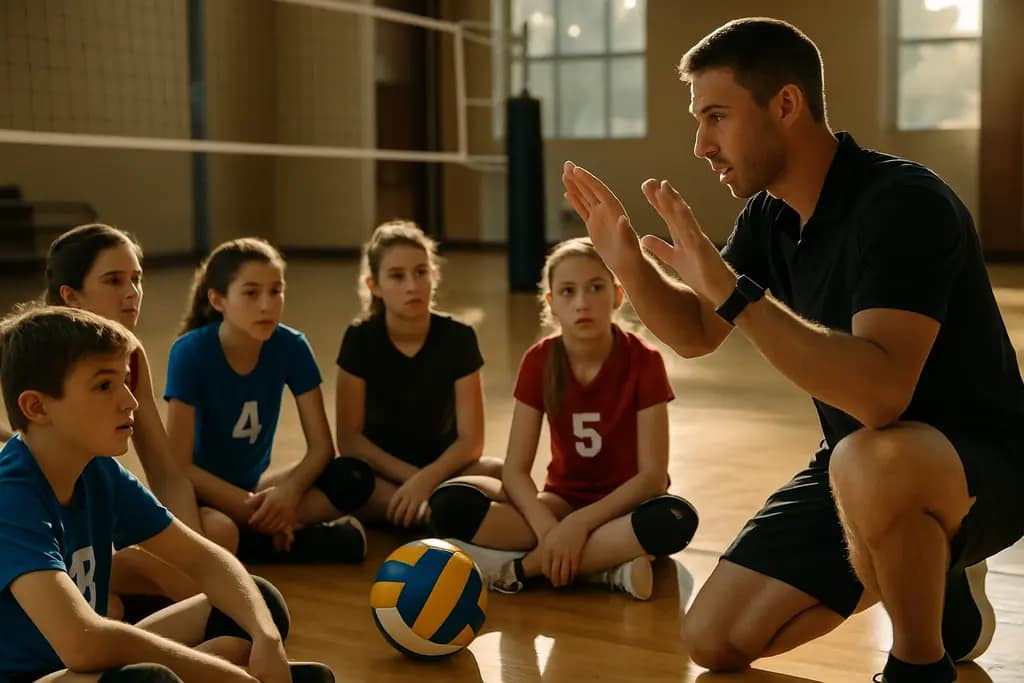
Every practice sends a message. The way a coach handles mistakes, corrects effort, and talks to substitutes tells athletes what kind of environment they are in. If a coach uses humiliation, secrecy, or favoritism, players learn that power is unsafe. If a coach uses clear feedback, steady expectations, and open communication, players learn that accountability can be positive.
For me, the heart of coaching is helping young people carry lessons from the court into their lives. A player who learns to call for the ball may also learn to use her voice in a classroom. A player who learns to recover from a missed serve may learn resilience after a setback at home. Those gains depend on adults who respect the whole child, not just the athlete.
Practical Steps For Clubs, Schools, And Families
A Shared Checklist For Safer Teams
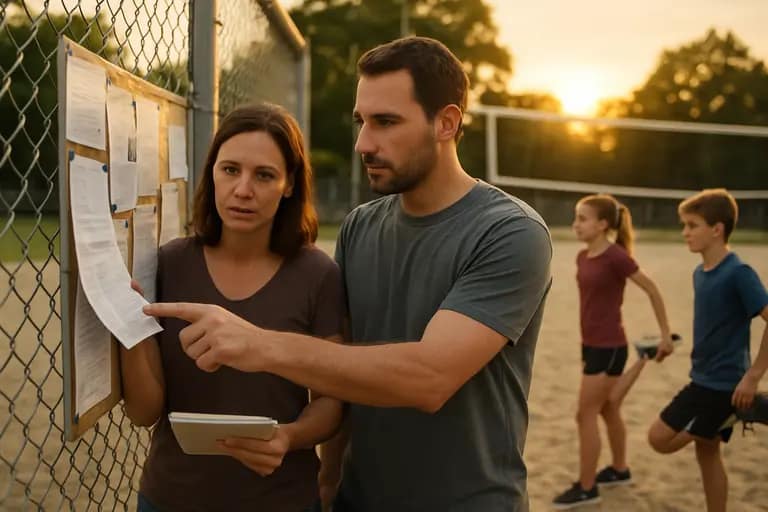
A strong athlete safety plan should be easy for families to understand and realistic for volunteers and staff to follow. Policies fail when they are too vague or hidden from the people they are meant to protect. Clubs, schools, and leagues can begin with a few direct commitments:
- Confirm coach eligibility before each season, tournament block, and team assignment.
- Use written codes of conduct for coaches, athletes, and parents.
- Require transparent communication channels between coaches and minors.
- Create a clear reporting process that does not require a player to confront the accused adult alone.
- Train athletes in age-appropriate language about boundaries, consent, and trusted adults.
- Review any suspension, ban, or complaint before allowing a coach back into a youth setting.
These steps do not weaken competitive programs. They strengthen them. Players perform with more freedom when they know the adults in charge are steady, fair, and accountable. Parents volunteer more confidently when they understand how decisions are made. Communities rally behind teams that protect children with the same energy they bring to playoff runs and tournament weekends.
Safety Costs Should Not Push Families Out
Background checks, training, supervision, and reporting systems require time and funding. Communities should be honest about that. At the same time, safer sports cannot become a privilege only available to families who can afford higher club fees. The pressure on household budgets is already a real concern in youth sports, as discussed in our coverage of rising youth sports costs. Local leaders, schools, donors, and sports organizations can work together so safety standards rise without closing doors for kids who need sports most.
This is where community impact matters. A safer gym is not only good for one volleyball team. It supports school culture, family trust, and youth development across the neighborhood. When adults build systems that protect kids, they also teach young people that their community values them beyond wins and losses.
What The Volleyball Probe Means For Local Teams
Federal Cases Remind Programs To Act Early
The Richardson investigation was not the only federal matter in 2026 involving concerns tied to adults in student settings. On August 4, 2026, the U.S. Attorney’s Office for the District of Rhode Island announced that Sean Cassidy, described as a teacher and athletics coach at Barrington Christian Academy, had been arrested on federal charges including coercion and enticement of a minor and false impersonation of a federal employee. The DOJ said the investigation began on May 29, 2026, through Homeland Security Investigations and the Rhode Island Internet Crimes Against Children Task Force DOJ announcement. Charges are not a conviction, but the case is another reminder that youth-serving organizations must respond before concerns become harm.
Local teams should not wait for national headlines to review their own standards. Athletic directors can ask whether every coach has been cleared for the current role. Club boards can check whether parents know how to report concerns. Tournament hosts can decide whether banned or suspended adults are allowed near benches, warmup courts, or team areas. Facility managers can require written expectations for any group renting court space. Each step may feel small, but together they create a culture where kids are less likely to fall through gaps.
Volleyball gives young athletes a place to build confidence, friendships, leadership, and grit. The work now is to make sure every part of that environment protects those gifts. Athlete safety is not separate from coaching excellence. It is one of the clearest signs that a program understands its purpose: helping young people grow in a community that sees them, hears them, and keeps them safe.