
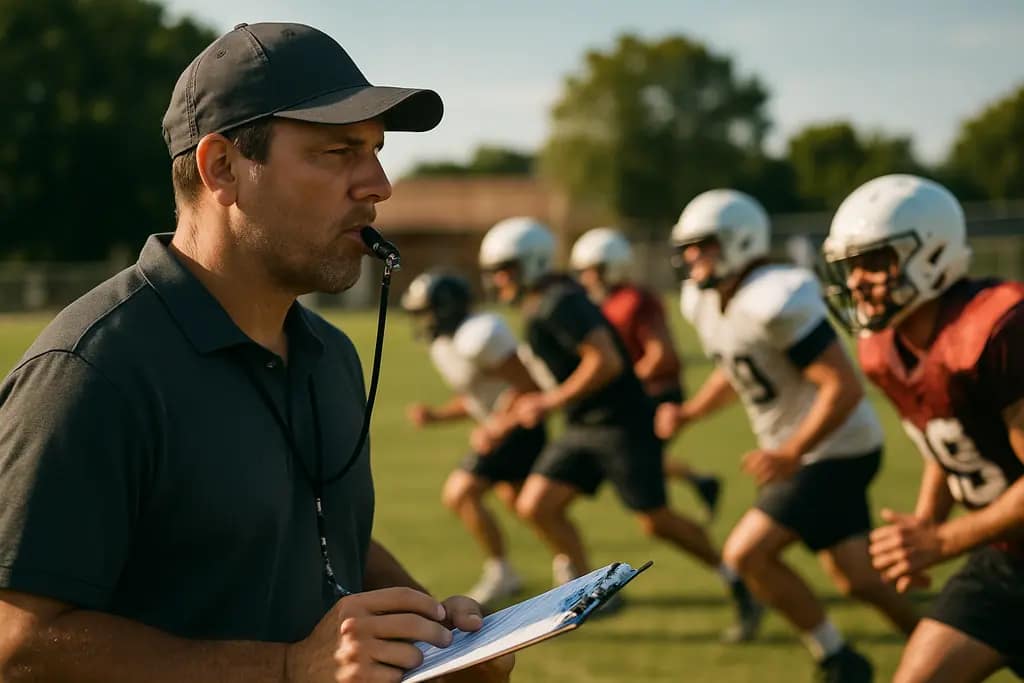
Summer voluntary workouts gave Killeen ISD athletes a structured way to build strength, confidence, and team trust during June and July 2026. According to Killeen ISD’s athletics update in the provided research, hundreds of high school and middle school athletes took part four days per week, working through squats, sprinting, agility drills, and sport-specific exercises. For a district where school sports often connect families, campuses, and neighborhoods, those sessions were more than offseason training. They were a shared investment in young people.
The strongest youth sports programs do not measure success only by district trophies or faster sprint times. They also ask whether younger athletes feel welcomed, whether coaches teach safe habits, and whether students learn how effort in June can shape confidence in August. In Killeen ISD, the 2026 training period offered a useful example of how coaching can link athletic growth with belonging and school identity.
Why Summer Voluntary Workouts Matter In Killeen ISD
The 2025-2026 school year gave Killeen ISD teams plenty to celebrate. The district reported that 11 KISD teams won district titles, with individual athletes also earning league crowns. Coaches connected part of that success to gains made during the offseason training period. That does not mean a June workout alone wins a title. It does mean consistent, supervised work can help athletes arrive better prepared for the speed, contact, and mental demands of school competition.
Summer Voluntary Workouts And Belonging
One of the most valuable parts of summer voluntary workouts was the mix of age groups. KISD coaches and trainers observed younger athletes, including seventh graders, training alongside upperclassmen. That matters in youth development because early contact with older teammates can make a large program feel more personal. A seventh grader who learns how to warm up, ask questions, and finish a hard sprint beside a varsity athlete is not just gaining fitness. That student is learning what team standards look like.
Inclusive coaching is especially powerful in this setting. A coach who explains each movement, offers modified progressions, and praises effort as well as results can help athletes with different experience levels stay engaged. The goal is not to make every student train the same way on day one. The goal is to give each athlete a safe path to improve while still feeling part of the group.
Strength, Speed, And Mental Fortitude
KISD coaches described improvement in athleticism, endurance, bonding, mental fortitude, speed, and strength across the two-month workout period. Those gains are valuable because high school seasons ask athletes to make quick decisions while tired. A basketball player has to defend late in the fourth quarter. A football player has to keep technique after repeated reps. A runner has to manage pacing under pressure. Conditioning does not replace sport skill, but it supports the body and mind that carry those skills through a season.
For families, the community benefit is also clear. Summer sessions give students a supervised routine during months when school structure is lighter. They keep athletes connected to coaches, teammates, and campus expectations. In communities with strong school sports traditions, that steady connection can support attendance, discipline, and pride across the school year.
Safety, Rules, And Athlete-Centered Coaching
Good training is not simply more training. It is organized, age-aware, and honest about rest. UIL Texas regulations cited in the research allowed students in grades 7-12 to take part in one supervised strength and conditioning session per day, up to two hours per day, Monday through Friday, under Section 1206(h), effective Summer 2024. The same rules allowed sport-specific skill instruction within daily limits. The voluntary nature of these programs is central: summer participation could not be required for tryouts or playing time, and missed sessions could not be made up.
Voluntary Means Trust Comes First
The word voluntary protects students and families. It gives athletes a chance to improve without turning summer into a hidden tryout. That distinction is good coaching practice. Students may have family responsibilities, transportation limits, jobs, medical needs, or recovery schedules. A fair program welcomes participation while avoiding pressure that could push a student to train through pain or exhaustion.
Coaches can strengthen that trust by explaining expectations before the first workout, using clear attendance language, and checking in with families. A student who misses a session should not feel like the team has moved on without them. In an inclusive program, the door stays open, and the next safe rep still counts.
Heat And Recovery Standards
Texas summer heat makes safety planning a coaching priority. The research noted that a new UIL heat safety standard became effective on August 1, 2026, requiring Wet Bulb Globe Temperature monitoring before and during outdoor workouts statewide. Based on those readings, practice schedules, rest breaks, protective equipment, and workout duration could be adjusted. Even though Killeen ISD’s June and July 2026 training period had already ended before that effective date, the standard set a clear direction for future outdoor activity.
Strong programs treat rest, hydration breaks, and heat adjustments as part of performance rather than a break from it. Athletes learn that toughness includes listening to the body, reporting symptoms, and respecting staff decisions. That message can be especially helpful for younger students who may feel pressure to keep up with older teammates.
Training That Reduces Risk And Builds Confidence
Research supports the idea that preparation can help young athletes handle new training demands. A study of adolescent elite athletes in Sweden and Finland followed 489 athletes before and after entering a sports high school and found that injury prevalence increased during that transition, with a mean difference of 3.6 percentage points over 10 weeks adolescent athlete injury study. The setting was not Killeen ISD, so the results should not be treated as a direct prediction for local students. Still, the finding supports a practical coaching lesson: sudden increases in volume and intensity deserve careful planning.
That is where summer voluntary workouts can be most useful. A gradual ramp-up gives coaches time to teach movement quality before the season adds competition pressure. Warm-ups, balance work, strength basics, landing mechanics, and sprint technique can become normal parts of team culture. The training room, weight room, and practice field all send the same message: prepare first, compete second.
Why Girls’ Injury Prevention Deserves Attention
Injury prevention should be part of every athlete’s plan, and girls’ sports need focused support. An AP News report on February 27, 2026, stated that high school-aged female athletes suffer ACL tears at up to eight times the rate of males in some sports and described prevention programs that include pre-workout warm-ups and strength routines ACL injury prevention report. For a district program, that points toward practical steps: teach safe landing, build hip and core strength, and make warm-ups consistent instead of optional.
Inclusive coaching also means avoiding one-size-fits-all assumptions. Some athletes need more instruction before adding weight. Some need confidence after an injury. Some need help speaking up if a drill feels wrong. The best summer sessions create space for those needs without making any athlete feel singled out.
Community Lessons From KISD Athlete Development

Killeen ISD’s 2026 summer training story fits a larger truth about youth sports: shared effort can strengthen more than a roster. Athletes learn responsibility by showing up. Coaches build relationships before pressure rises. Families see school facilities used for healthy routines. Younger students get a first look at the habits expected in high school programs.
That community connection mirrors the way service and sports can work together across Texas. Local readers who followed how young leaders supported Special Olympics Texas saw another example of athletics building confidence, teamwork, and civic pride beyond the scoreboard.
- For athletes: the summer period can build strength, speed, endurance, and confidence before school competition begins.
- For coaches: the sessions create time to teach technique, safety habits, and team standards without the same pressure as game week.
- For families: voluntary participation offers structure while respecting individual schedules and student needs.
- For campuses: stronger relationships between younger athletes and upperclassmen can improve team culture across grade levels.
What Summer Voluntary Workouts Mean For KISD Athletes
Summer voluntary workouts worked best in Killeen ISD because they connected performance with people. The drills mattered. The squats, sprints, agility work, and sport-specific reps gave athletes a base for competition. Yet the larger value came from the setting: supervised coaching, shared standards, younger students learning from older peers, and a district culture that treated summer development as a community effort.
For the next group of KISD athletes, the lesson is clear. Strength is built through steady habits, not one hard week. Team trust is built through shared work, not speeches alone. Safety is built through clear rules, heat awareness, and coaches who listen. When those pieces come together, school sports can help young people become stronger athletes and more confident members of their community.