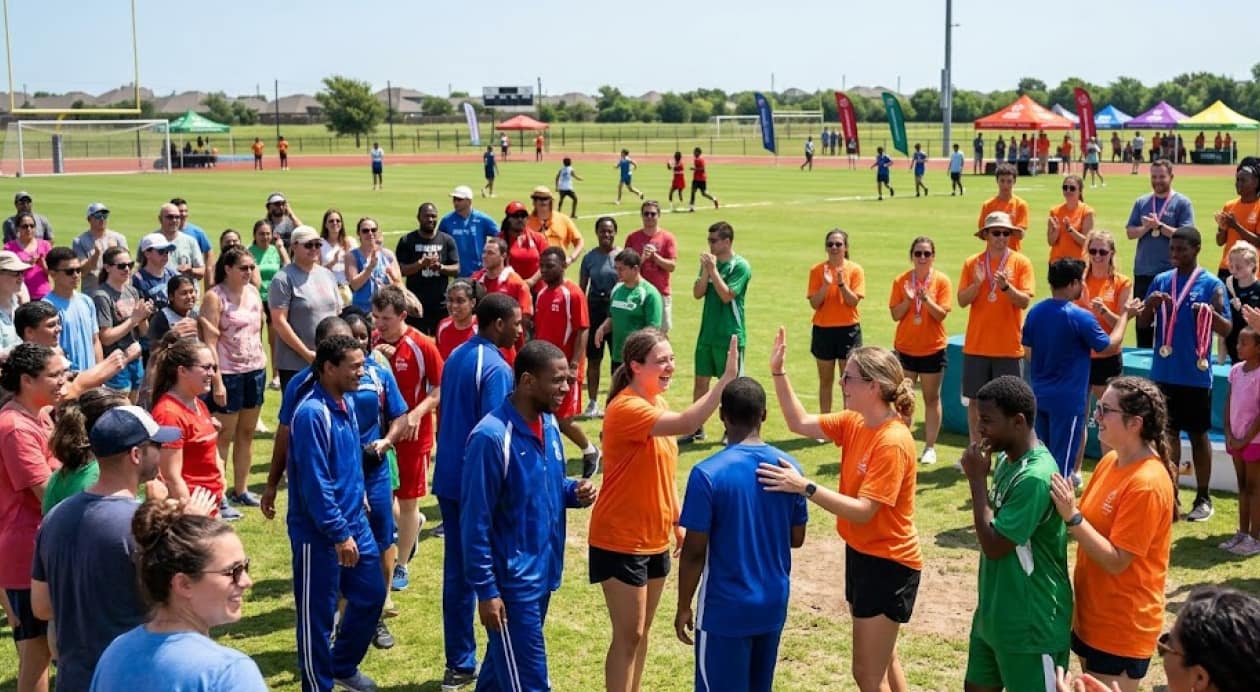
The 2026 Special Olympics Texas Summer Games once again demonstrated how athletics can strengthen communities far beyond competition. Held in Melissa, Texas, the statewide event welcomed thousands of athletes, coaches, volunteers, family members, healthcare professionals, and community partners who worked together to create an inclusive environment where achievement was measured by determination, teamwork, and personal growth.
For Youth Rise Texas, events like the Summer Games represent more than athletic competition. They illustrate how volunteerism, youth leadership, and inclusive programming can help young people develop confidence, communication skills, empathy, and lifelong connections. Across Texas, students and young adults contributed their time in roles ranging from event logistics and athlete assistance to health screenings and award ceremonies, gaining practical leadership experience while supporting athletes with intellectual disabilities.
According to Special Olympics Texas (SOTX), the Summer Games remain one of the organization’s largest annual competitions, bringing together participants from communities throughout the state while engaging hundreds of volunteers who make the event possible. Their involvement reinforces the idea that meaningful service experiences often become powerful lessons in leadership.
A Statewide Event Built on Community Leadership
The Summer Games have grown into one of Texas’ premier inclusive sporting events, showcasing year-round training programs that prepare athletes for competition while encouraging healthy lifestyles and social development.
Hosted in Melissa, the 2026 edition featured competitions across multiple sports while drawing support from schools, nonprofit organizations, local businesses, healthcare providers, and civic groups. Every competition required careful coordination between coaches, officials, volunteers, and event organizers, highlighting how community collaboration creates opportunities for athletes to perform at their highest level.
Rather than viewing volunteers as supporting characters, the event positions them as essential members of every competition. Many assist with athlete check-in, transportation, scorekeeping, venue preparation, hydration stations, medical services, and family hospitality. These responsibilities require communication, organization, and adaptability—skills that many young volunteers continue using long after the Games conclude.
For additional information about inclusive sports programming nationwide, the Special Olympics organization provides extensive resources on athlete development, Unified Sports®, and volunteer engagement.
Young Volunteers Gain Real Leadership Experience
One of the defining characteristics of the Summer Games is the number of young volunteers participating each year. High school students, college organizations, youth leadership groups, and community clubs regularly contribute thousands of service hours during preparation and competition.
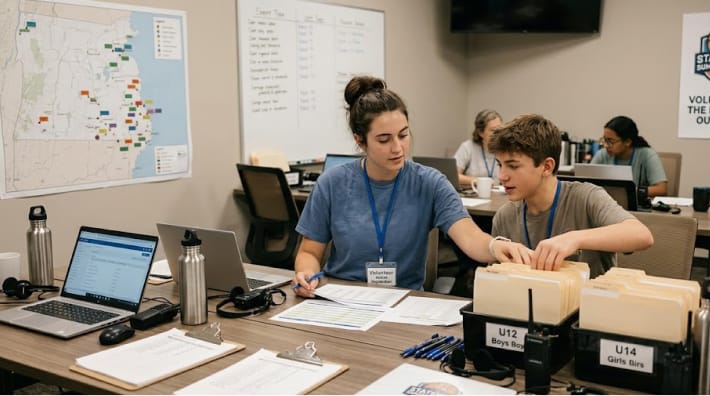
Unlike classroom leadership exercises, volunteering at a statewide sporting event presents real-world challenges that require immediate problem-solving. Volunteers help athletes navigate venues, coordinate schedules, distribute equipment, communicate with families, and support event operations under changing conditions.
These experiences strengthen several transferable skills:
- Communication and teamwork
- Time management and responsibility
- Empathy and inclusive leadership
- Public service and civic engagement
Many volunteers also discover careers or college interests through their experiences, particularly in education, healthcare, sports management, physical therapy, recreation, nonprofit administration, and event planning.
Youth service initiatives like these align with broader research showing that sustained volunteer experiences contribute to stronger civic participation and increased confidence among adolescents entering adulthood.
Summer Games Create Opportunities Beyond Competition
The impact of the Summer Games extends well beyond medal ceremonies.
Special Olympics Texas emphasizes year-round athlete development through sports training, health programs, leadership opportunities, and family support services. The Summer Games become a celebration of progress achieved throughout the season rather than a single competitive event.
Athletes benefit from consistent coaching and structured physical activity while building friendships that often continue for years. Families gain access to support networks that connect them with others facing similar experiences, creating stronger local communities throughout Texas.
The event also demonstrates how inclusive sports benefit everyone involved.
| Group | Lasting Benefits |
|---|---|
| Athletes | Physical fitness, confidence, independence, teamwork |
| Volunteers | Leadership skills, service experience, career exploration |
| Families | Community support and expanded social networks |
| Schools | Greater awareness of inclusion and student engagement |
| Local Communities | Stronger volunteer culture and civic participation |
Organizations across Texas increasingly recognize that inclusive sporting events strengthen social connections while encouraging broader community participation.
The Special Olympics Texas Summer Games also showcase programs such as Healthy Athletes®, which provide health education and screenings while connecting athletes with healthcare professionals and volunteers committed to improving long-term wellness.
Inclusion Strengthens Texas Communities
Inclusive athletics continue gaining momentum across Texas as schools, municipalities, and nonprofit organizations expand opportunities for students with intellectual disabilities to participate alongside their peers.
Programs inspired by the Special Olympics movement have encouraged schools to introduce Unified Sports®, inclusive recreation activities, and student leadership initiatives that promote acceptance rather than separation.
This approach reflects growing evidence that inclusive extracurricular activities improve school culture while encouraging empathy among students from different backgrounds.
Young volunteers frequently report that interacting with athletes changes their perspectives about disability and community involvement. Instead of focusing on differences, they begin recognizing shared goals, determination, resilience, and teamwork.
These lessons often extend into classrooms, workplaces, and future leadership roles.
Youth organizations seeking to strengthen leadership development increasingly incorporate volunteer service into their programming because it allows participants to practice decision-making, communication, and collaboration under meaningful circumstances.
Volunteer Partnerships Expand Community Impact
The success of the Summer Games depends on partnerships that extend across multiple sectors.
Educational institutions recruit student volunteers seeking service-learning opportunities. Healthcare providers contribute medical professionals for athlete wellness initiatives. Law enforcement agencies participate through long-standing fundraising efforts such as the Law Enforcement Torch Run®. Local businesses provide sponsorships, equipment, meals, and logistical assistance.
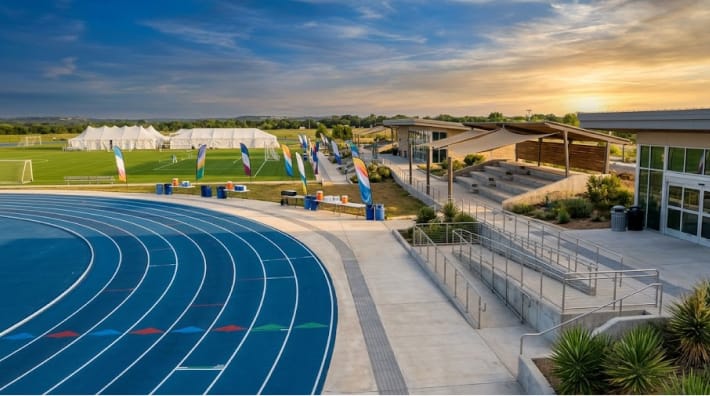
This collaborative model demonstrates how community organizations can combine resources to create experiences that would be difficult for any single institution to provide independently.
The result is an event where every participant contributes toward a common objective: providing athletes with a professional, welcoming, and empowering competitive experience.
For communities interested in building similar initiatives, the National Center on Health, Physical Activity and Disability offers research and best practices for expanding inclusive recreation and adaptive physical activity programs.
Measuring Success Beyond Medals
Although athletic performance remains central to the Summer Games, many participants define success differently.
For first-time athletes, completing an event may represent a major personal milestone. Returning competitors often focus on improving previous performances or encouraging teammates. Volunteers frequently describe the experience as one of the most rewarding service opportunities they have completed.
These outcomes reflect a broader understanding of youth development that values personal growth alongside measurable achievement.
Community service events centered on inclusion create environments where leadership develops naturally through shared responsibility. Young volunteers learn that effective leadership often involves listening carefully, solving practical problems, and supporting others rather than seeking recognition.
These experiences mirror the qualities that schools, employers, and nonprofit organizations increasingly identify as essential for future civic leaders.
Youth Rise Texas regularly highlights how community-centered initiatives strengthen leadership development through service, mentorship, and positive engagement. Similar programs across the state continue demonstrating that when young people receive opportunities to contribute meaningfully, they build confidence while helping others succeed through community impact stories.
Texas Continues Building a Culture of Inclusive Leadership
The 2026 Special Olympics Texas Summer Games illustrate how large-scale community events can create lasting benefits that extend far beyond athletic competition. Every volunteer shift, coaching session, family interaction, and athlete achievement contributes to a statewide culture that values inclusion, respect, and service.
As Texas communities continue investing in youth leadership, events like the Summer Games provide practical examples of how service learning and inclusive athletics strengthen both individuals and neighborhoods. Young volunteers leave with new skills, broader perspectives, and greater confidence, while athletes gain opportunities to demonstrate resilience, determination, and excellence on one of the state’s largest competitive stages.
Together, those experiences reinforce an important lesson: when communities invest in inclusion, everyone has the opportunity to lead.