

Local Sports Families in Seagoville and Crandall had clear reasons to feel connected to school sports during the first half of September 2026. Cross-country runners turned a home course into a growth marker for Crandall, while volleyball teams in Seagoville and Crandall used busy schedules to test depth, consistency, and team identity. These were not just score lines. They were snapshots of parents, classmates, coaches, and younger athletes seeing what steady school programs can build.
The strongest impact stories often start with simple scenes: a freshman stepping into varsity competition, a senior setting the tone, a junior varsity runner showing he may soon be ready for the next level, or a volleyball team learning from a demanding week. Those moments give families a reason to gather around school athletics. They also give coaches a way to connect performance with accountability, attendance, patience, and confidence.
Why Local Sports Families Matter In Seagoville And Crandall
Local Sports Families And Cross-Country Growth
Crandall’s home cross-country meet on Saturday, September 5, 2026, offered a clear example of how a school event can pull youth development into public view. The Crandall varsity girls finished second at the Crandall Pirates Cross Country Invitational with 51 points, trailing Garland Sachse, which had 25, and finishing just ahead of North Forney, which had 55. Senior Aliyah Sosa ran 18:55.32, while freshman Jordan Dawson placed fifth in her first varsity race at 19:30.87, according to local meet coverage.
For Local Sports Families, that pairing mattered. A senior leading well and a freshman scoring near the front showed both present strength and future promise. It gave younger runners a visible path. It gave parents a reason to see practice habits as part of a longer story. It gave the school a team result that was close enough to spark pride, but still left room for coaching points before later meets.
Junior Varsity Results Show The Next Wave
The same September 5 meet also showed depth on the boys’ side. Crandall’s junior varsity boys placed second with 58 points. Freshman Matthew Lopez finished second in 17:12.00, junior Landon McKeever took third in 17:22.00, and senior Arturo Roel Martinez placed fourth in 17:30.00, as reported in the same local meet coverage. Those results showed that the program was not relying on one age group alone.
That kind of spread across grade levels can help a school program stay healthy. Younger runners learn that they are not waiting on the edge of the team; they are part of the team’s scoring future. Older runners learn leadership through example, pacing, and daily habits. Families see that junior varsity races are not side stories. They are development spaces where athletes gain race-day confidence before stepping into higher-pressure meets.
Crandall Cross-Country Shows A Youth Pipeline
Freshmen Were Not Just Watching
Freshmen had real competitive roles in Crandall cross-country on September 5. Dawson scored for the varsity girls in fifth place. Lopez was second in the junior varsity boys race. Research notes also identified Abraham Colmenero as a scoring contributor for the varsity boys. That matters because early scoring roles can change how young athletes view school sports. They are asked to contribute, not just observe.
Crandall’s varsity boys were close to another team milestone at the same home invitational. The research notes report that the varsity boys placed third with 65 points, one point behind North Forney’s 64, while Garland Sachse won with 32. Brayden Besherse was Crandall’s top male finisher, taking seventh in 15:40.30. A one-point gap can become a teaching tool: every place, every finish chute decision, and every practice interval has meaning.
That message travels well beyond cross-country. It can support classroom habits, peer leadership, and student attendance because athletes learn that small choices add up. Cross-country makes that lesson easy to see. There are no substitutions during the race, no timeouts, and no quick reset after a tough mile. The athlete has to keep moving. Families watching from the course see resilience in real time.
Volleyball Gives Families A Weeknight Anchor
Seagoville Built Early Momentum
Seagoville volleyball gave families another point of connection in early September. The research notes report that, as of Wednesday, September 9, 2026, the Lady Dragons were 11-11 and 3-1 in District 13-5A. They had started 5-1 through their first six matches and had reached 11 wins before mid-September, close to their 13-win total from 2025.
That kind of early movement can lift a school community because volleyball creates frequent gathering points. Matches are accessible to classmates, siblings, teachers, and parents during the week. A team that stacks wins early gives students something positive to talk about in hallways. It also gives younger players in middle school or club settings a varsity group to follow.
Crandall Faced A Demanding Schedule
Crandall volleyball had a different but still useful story. As of September 9, 2026, the research notes listed the Lady Pirates at 8-9 and 0-1 in District 15-5A. Their schedule had included Class 6A schools, private-school opponents, and tournament competition. During the week of August 24-30, Crandall finished 4-2 in verified matches at the Forney tournament, with wins that included sweeps of Chapel Hill and Skyline, plus victories over Denison and Horn.
A record near .500 after a hard schedule can still carry value if the team is using those matches to grow. Coaches can test rotations, setters can learn timing with hitters, and defensive players can adjust to stronger serves and faster attacks. Families may see losses, but they can also see athletes learning how to respond. That is where Local Sports Families become part of the development model: they reinforce effort, patience, and steady support when results are mixed.
Program Models That Link Sports And Community
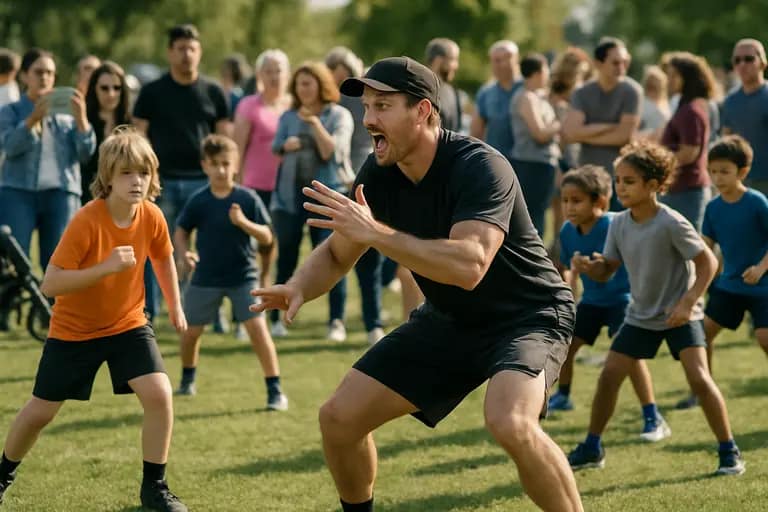
What Schools Can Build Around These Moments
The cross-country and volleyball results point toward a practical model for local sports impact. Schools do not need every team to win every event for sports to serve youth well. They need a culture where athletes are noticed, younger players can see a path, and families understand how regular attendance supports the whole program.
A sports-first community model around Seagoville and Crandall could include simple habits that cost little but build trust:
- Recognize freshmen and junior varsity athletes who contribute in varsity-adjacent roles.
- Use home meets and volleyball district matches as family connection points.
- Invite younger athletes to learn from older players through practice visits or team service days.
- Share results in ways that highlight effort, improvement, and team responsibility.
This is where school sports can meet youth development without losing the competitive edge. Athletes still race, serve, pass, defend, and chase wins. At the same time, they learn how to prepare, recover, encourage teammates, and represent their campus. A related YouthRiseTX feature on community sports camps shows the same idea in a broader setting: sports can help young people practice leadership in structured, supportive spaces.
Why The Family Role Matters
Parents and guardians often provide the invisible structure around student athletics. They manage rides, meals, uniforms, rest, and encouragement after tough performances. Grandparents, siblings, teachers, and neighbors add to that circle when they show up for meets and matches. In smaller local sports settings, that support can be felt quickly because athletes recognize the faces on the sideline or along the course.
Local Sports Families are also connectors between schools and the wider community. They talk with local businesses, encourage attendance, share schedules, and help younger children imagine themselves in school colors. That type of support can strengthen school identity without requiring a championship moment. It grows through repeated contact: Tuesday volleyball, Saturday cross-country, a parent cheering for someone else’s child, a freshman learning that people know her name.
What Crandall And Seagoville Families Build Through Sports
Crandall cross-country and Seagoville-area volleyball results from late August and early September 2026 showed more than athletic activity. They showed how young people step into responsibility at different speeds. Some, like Sosa, led as experienced athletes. Some, like Dawson and Lopez, announced themselves early. Volleyball teams in Seagoville and Crandall worked through records, district starts, tournaments, sweeps, and losses that tested team response.
That is the heart of the impact story. Families do not gather only for final scores. They gather because sports give students a public place to practice courage, discipline, and belonging. When Local Sports Families keep showing up, they help schools turn meets and matches into community assets. In Crandall and Seagoville, these September highlights gave that work a clear and hopeful shape.