
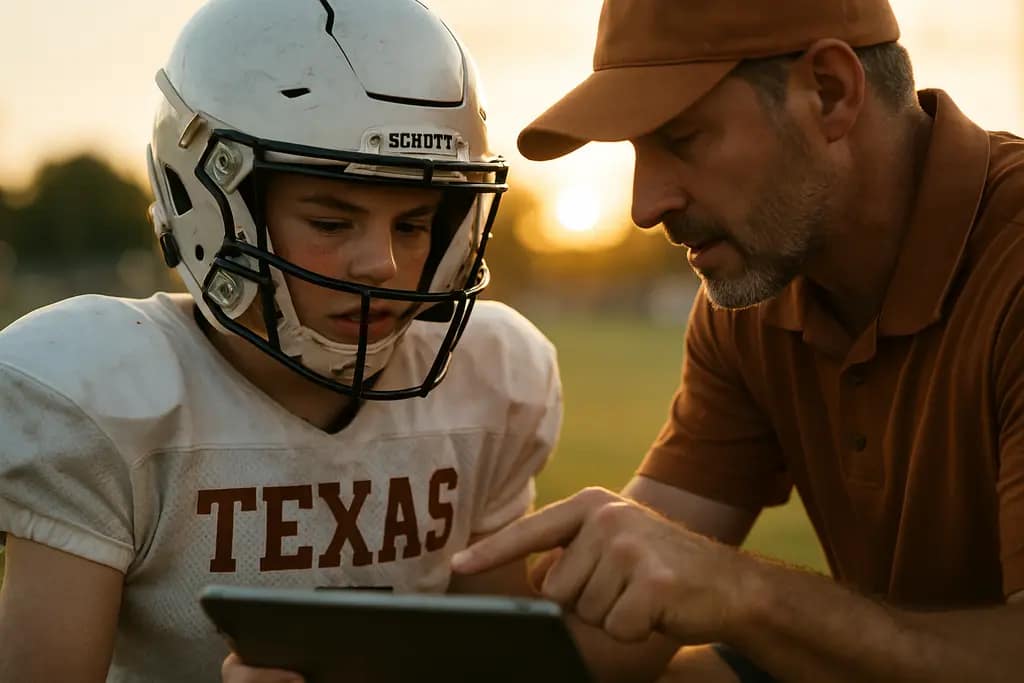
Texas football development was easy to spot after the completed Week 1 college games of early September 2026, but the best lesson was not only about who filled the stat sheet. It was about how verified performance, steady coaching, and public recognition can shape young athletes watching from middle school fields, high school sidelines, and neighborhood practice spaces across Texas.
Week 1 always creates noise, but families and youth coaches benefit most when they separate confirmed results from guesswork. As of September 14, 2026, the Texas game against Texas State had already been played, and the numbers gave local coaches a useful teaching tool. On September 5, 2026, Texas quarterback Arch Manning completed 20 of 27 passes for 305 yards, four touchdowns, one interception, and six rushing yards against Texas State, according to Yahoo Sports’ game coverage. Those figures matter because they show production, but they also open a bigger conversation about accuracy, response after mistakes, and the patience required to grow into a major college role.
For youth programs, that conversation is gold. A box score can become a classroom. Coaches can ask young quarterbacks what completion percentage says about footwork, timing, receiver trust, and decision rhythm. They can ask running backs what preseason recognition means before a single carry is taken. They can ask parents how to praise effort without turning one Saturday into a permanent label. That is where sports enrich community ties: a public performance becomes shared language for teaching character.
Texas Football Development Starts With Verified Growth
What Texas Football Development Shows In A Quarterback
Manning’s September 5 performance offered a clean example of how young athletes can be evaluated without rushing into oversized claims. His 20 completions on 27 attempts created a 74.1 percent completion rate. The four touchdown passes showed finishing ability, while the interception gave coaches a chance to talk about learning from one imperfect play inside a strong outing. That balance is central to Texas football development: celebrate the production, study the mistake, and keep the athlete grounded.
That approach fits youth football especially well. In many local leagues, a young passer may be praised for a touchdown but quietly discouraged after an interception. Week 1 college examples help adults model a healthier response. The point is not to tell a 12-year-old to copy a college quarterback throw for throw. The point is to show that growth can include both achievement and correction on the same day.
Why One Stat Line Can Teach More Than Hype
Numbers only help when coaches explain them with care. A completion total can show accuracy, but it can also reflect route spacing, protection, catch discipline, and play-calling. A touchdown pass can reflect arm talent, but it may also reveal practice habits built months earlier. For a community coach, that means the stat line becomes a doorway to teamwork rather than a reason to glorify one player.
This is where local football culture can be at its best. Grandparents in the stands, teachers at school, volunteer coaches, and younger players all see the same public result. If the message is “stars are born overnight,” the lesson is thin. If the message is “skills grow through repetition, trust, and response,” the lesson can stick through a whole season.
Recognition Can Support Better Youth Habits
Doak Walker Attention And Running Back Standards
Recognition before the season also carried a development lesson. The University of Texas announced on August 17, 2026, that Raleek Brown and Hollywood Smothers were named to the 2026 preseason Doak Walker Award watch list, with Smothers receiving that preseason recognition for a second straight season, according to Texas Athletics. For young running backs, that kind of attention should not be framed only as fame. It should be framed as a standard to prepare for contact balance, ball security, pass protection, conditioning, and accountability.
That is a powerful message for local teams. Many young athletes want the highlight run, but running back development asks for much more. A player has to listen in meetings, protect the ball in traffic, learn blocking rules, and accept that a four-yard gain can be a winning play. Watch-list recognition can help coaches explain that outside attention usually follows a long trail of unglamorous habits.
Pressure As A Teachable Moment
Public recognition can raise pressure. For college players, it brings media attention and larger expectations. For younger athletes, even a local award or social media mention can change how they carry themselves at school or practice. Supportive adults can make that pressure healthier by keeping the focus on daily behavior.
A simple youth-coaching frame can help:
- Practice response: How does the athlete react after a missed assignment?
- Team language: Does the athlete credit blockers, receivers, defenders, and coaches?
- School connection: Is athletic praise paired with classroom responsibility?
- Family support: Are parents helping the athlete rest, study, and stay humble?
These habits keep Texas football development connected to the whole child, not just the game film. When a community values the process, young players learn that recognition is not the finish line. It is a reminder to keep serving the team.
How Local Coaches Can Use Week 1 Lessons
Turning College Examples Into Practice Plans
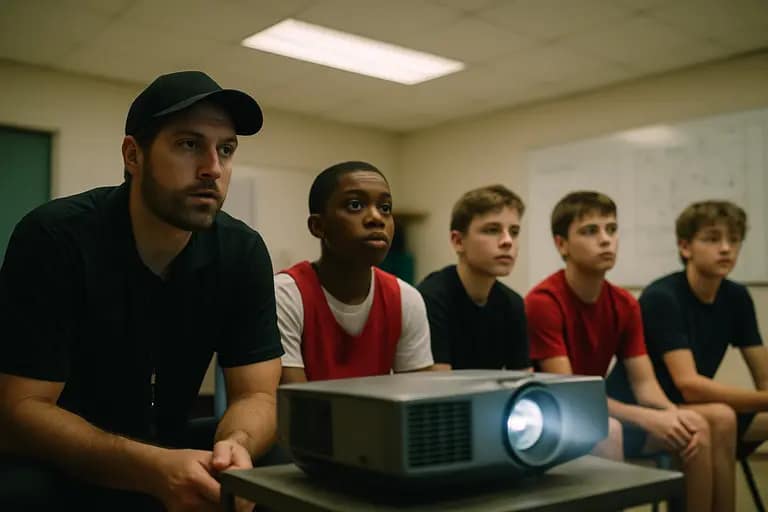
Week 1 college results can feel distant from a youth practice field, but the teaching points are very local. A volunteer coach can take Manning’s accuracy line and build a short passing period around foot placement and quick reads. A middle school coach can use running back watch-list recognition to start a discussion about ball security. A high school assistant can ask players to identify the quiet work behind public performance.
The best part is that these lessons do not require expensive equipment. They require clear language, patient correction, and a community willing to praise growth. One drill can become a confidence builder. One film clip can become a leadership talk. One stat line can help a young athlete see that effort is measurable, but character is visible too.
Texas communities already understand how football weekends pull people together. Youth tournaments, school games, and college Saturdays create shared calendars for families and local businesses. For readers interested in how summer competition supports development before fall football begins, our look at the Texas 7-on-7 development hub connects offseason reps with player confidence and community pride.
Keeping The Community At The Center
Sports are strongest when the adults around the athlete work from the same playbook. A teacher may notice leadership in a classroom group project. A coach may see the same athlete encourage a backup after practice. A parent may see whether the player handles praise with gratitude. Together, those observations matter as much as a Saturday statistic.
That shared care is why Texas football development should never be reduced to recruiting attention alone. Recruiting can be part of the story for some athletes, but most young players will carry sports lessons into school, work, friendships, and family life. The community impact comes from the habits they build: listening, preparation, resilience, and respect.
Why Texas Football Development Matters After Week 1
The completed Week 1 games of September 2026 gave Texas families more than early-season talking points. They gave coaches and parents concrete examples of how to talk about growth. Manning’s September 5 stat line showed production with room for teaching. The August 17 watch-list recognition for Brown and Smothers showed how expectations can arrive before the first major snap. Both examples remind us that public football moments are most valuable when they help young athletes build private discipline.
That is the heart of Texas football development: not rushing a teenager toward a label, not treating one game as a full identity, and not letting praise outrun preparation. When communities use college performances as teaching tools, youth players gain more than football knowledge. They gain language for effort, patience, teamwork, and responsibility.
Week 1 is now part of the record. The better question for local programs is what they will do with it. If coaches turn verified performances into thoughtful practice goals, if parents celebrate progress with perspective, and if schools keep sports connected to character, then the impact will reach far beyond the scoreboard. That is how Texas football can keep building stronger athletes and stronger communities at the same time.