Across the United States, community sports camps are becoming much more than seasonal athletic programs. They are creating opportunities for young people to develop leadership skills, build confidence, strengthen relationships, and gain valuable mentorship from coaches, volunteers, and professional athletes.
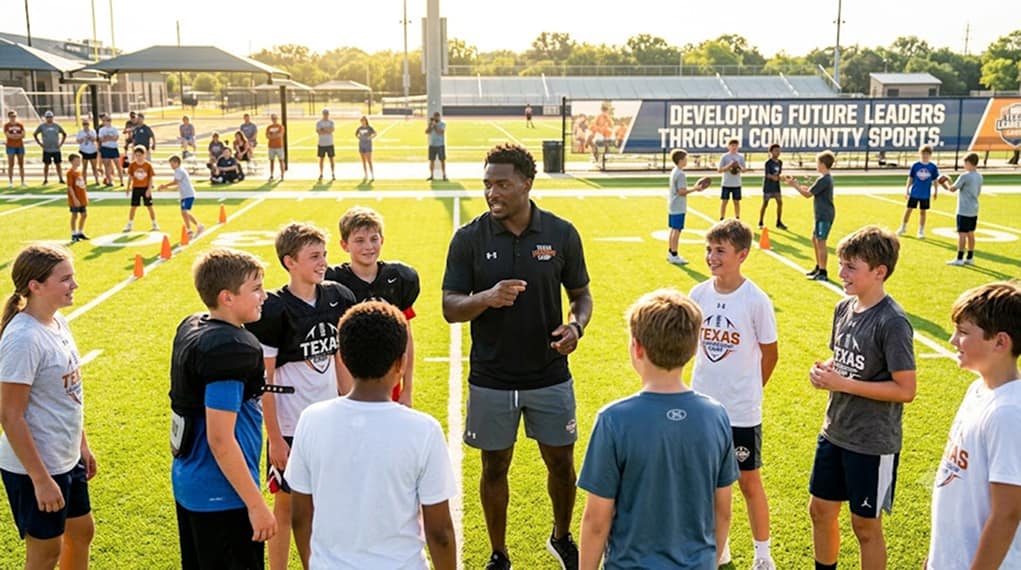
Recent events demonstrate the growing impact of these initiatives. On June 27, 2026, Dallas Cowboys defensive back P.J. Locke returned to his hometown of Beaumont, Texas, to host a free youth football camp at Doggett Family Stadium. Young athletes participated in drills, skill development activities, and mentorship sessions led by professional and collegiate players. Similar camps are taking place throughout the country as athletes recognize the influence they can have beyond competition.
Community sports camps create environments where young people learn lessons that extend far beyond athletic performance. Through teamwork, accountability, perseverance, and service, participants gain experiences that help prepare them for leadership roles throughout their lives.
Sports Camps Provide More Than Athletic Instruction
The traditional purpose of a sports camp has always been skill development. Young athletes attend to improve techniques, gain experience, and enjoy competition with peers.
Today’s most effective camps include a broader mission. Organizers increasingly focus on character development alongside athletic training. Coaches and mentors use sports as a framework for teaching responsibility, communication, and goal setting.
This approach reflects a growing body of research showing that positive youth sports experiences contribute to personal growth. Data from the Aspen Institute Project Play continues to highlight the role that quality sports programs play in supporting healthy youth development.
Many camp participants discover that success depends on preparation, consistency, and teamwork rather than individual talent alone. These lessons often carry over into academics, family relationships, and future careers.
Young athletes who learn to work through challenges during practices and competitions gain experiences that help them manage obstacles in other areas of life.
Mentorship Creates Lasting Impact
One of the most valuable aspects of community sports camps is the opportunity for direct mentorship.
Professional athletes and experienced coaches often share personal stories about setbacks, injuries, disappointments, and the work required to achieve long-term goals. These conversations provide a realistic perspective on success that young people may not encounter elsewhere.
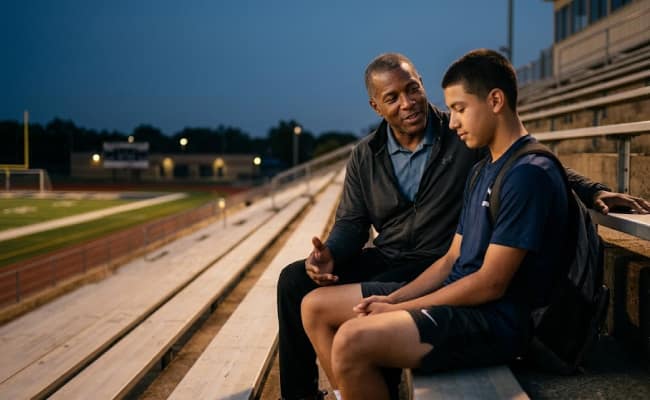
The impact can be significant. A brief interaction with a respected role model may influence how a young athlete approaches school, relationships, or personal goals.
P.J. Locke’s Beaumont camp reflects this principle. Children attending the event had the opportunity to learn football skills, yet many of the most meaningful moments came through conversations about discipline, education, and personal responsibility.
Mentorship helps transform sports camps from recreational activities into developmental experiences. Young participants begin to see leadership as something that can be practiced every day through actions, decisions, and attitudes.
| Camp Experience | Leadership Skill Developed |
|---|---|
| Team drills | Communication |
| Group challenges | Problem solving |
| Mentor discussions | Personal accountability |
| Volunteer activities | Service and empathy |
| Competition settings | Resilience under pressure |
These experiences provide practical opportunities to develop leadership skills in real-world situations.
Leadership Development Happens Through Daily Actions
Leadership is often associated with titles or positions of authority. Community sports camps teach a different lesson.
Young people learn that leadership begins with everyday choices. Showing up prepared, encouraging teammates, listening to coaches, and remaining committed during difficult moments are all examples of leadership in action.
Camp environments create numerous opportunities for participants to practice these behaviors. Team-based activities require cooperation and trust. Skill development sessions encourage persistence. Competitive games challenge participants to manage emotions and respond constructively to setbacks.
Programs focused on youth mentorship initiatives frequently emphasize these qualities as part of their broader mission to support positive youth development.
The connection between sports and leadership is particularly powerful because young people experience these lessons directly. Rather than hearing abstract concepts, they practice leadership through participation.
This hands-on learning often creates stronger and more lasting outcomes.
Community Engagement Strengthens Youth Development
Community sports camps rarely succeed through the efforts of a single individual. They depend on partnerships involving coaches, volunteers, parents, schools, local businesses, and nonprofit organizations.
This collaborative model creates benefits that extend beyond the participants themselves.
Families become more engaged in youth activities. Volunteers strengthen neighborhood connections. Local organizations identify opportunities to support future programs. Athletes gain meaningful ways to give back to their communities.
The Boys & Girls Clubs of America has long recognized the value of community partnerships in creating opportunities for young people. Programs that combine mentorship, recreation, and educational support often generate positive outcomes across multiple areas of youth development.
Community involvement also helps young people recognize the importance of service. Seeing adults volunteer their time and resources provides examples of civic responsibility and community leadership.
These experiences contribute to a stronger sense of belonging and encourage youth to become active participants in their communities.
Confidence Grows Through Positive Experiences
Confidence is one of the most common outcomes associated with quality sports programs.
Many young athletes arrive at camps feeling uncertain about their abilities. New environments, unfamiliar peers, and challenging activities can create anxiety.
Supportive coaching and mentorship help participants move beyond those concerns. Small successes during drills, encouragement from mentors, and positive interactions with teammates can gradually build self-belief.
The process is often incremental. A child who hesitates to participate on the first day may volunteer to lead a group activity by the end of the week.
Sports camps create structured opportunities for growth through experiences that challenge participants without overwhelming them.
Some of the most common confidence-building benefits include:
- Greater willingness to take on challenges
- Improved communication skills
- Increased self-discipline
- Stronger belief in personal abilities
These outcomes often influence academic performance, social interactions, and future leadership opportunities.
Why Access to Sports Camps Matters
Access remains one of the most important factors in youth development through sports.
Many communities continue working to reduce barriers related to cost, transportation, and equipment. Free and low-cost camps play an important role in expanding opportunities for young people who may not otherwise participate.
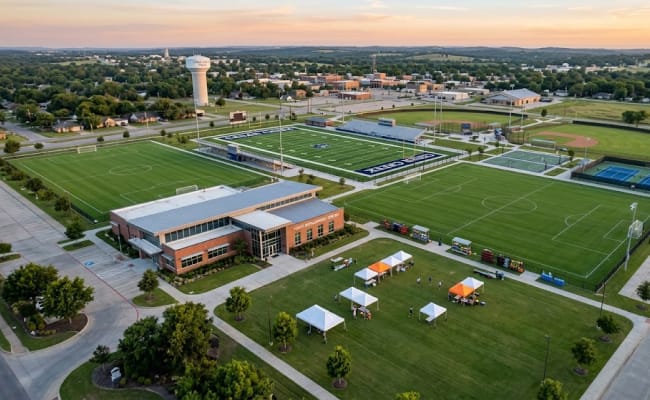
Athlete-led initiatives often help bridge these gaps by providing accessible programming that combines sports instruction with mentorship and leadership development.
| Community Investment | Youth Benefit |
| Free sports camps | Increased participation |
| Equipment donations | Greater accessibility |
| Volunteer mentorship | Stronger support networks |
| Local partnerships | Expanded development opportunities |
| Athlete involvement | Positive role model exposure |
The long-term value of these programs extends beyond a single season. Young people who participate in positive sports environments are more likely to remain active, engaged, and connected to supportive networks.
Communities that invest in youth sports create opportunities for future leaders to develop skills that will benefit schools, workplaces, and neighborhoods for years to come.
The Leadership Lessons That Last Beyond the Field
The most memorable part of a community sports camp is rarely a score, a trophy, or a winning play. The lasting impact often comes from the relationships formed, the confidence gained, and the lessons learned through shared experiences.
Athletes like P.J. Locke demonstrate how sports can serve as a platform for mentorship and community engagement. Their willingness to invest time in young people reinforces the idea that leadership includes serving others and creating opportunities for future generations.
Every drill, conversation, and team activity becomes an opportunity to teach responsibility, resilience, and character. These lessons continue influencing participants long after the camp concludes.
Community sports camps remain one of the most effective ways to connect young people with positive role models, meaningful experiences, and leadership opportunities that can shape their futures in lasting and meaningful ways.