
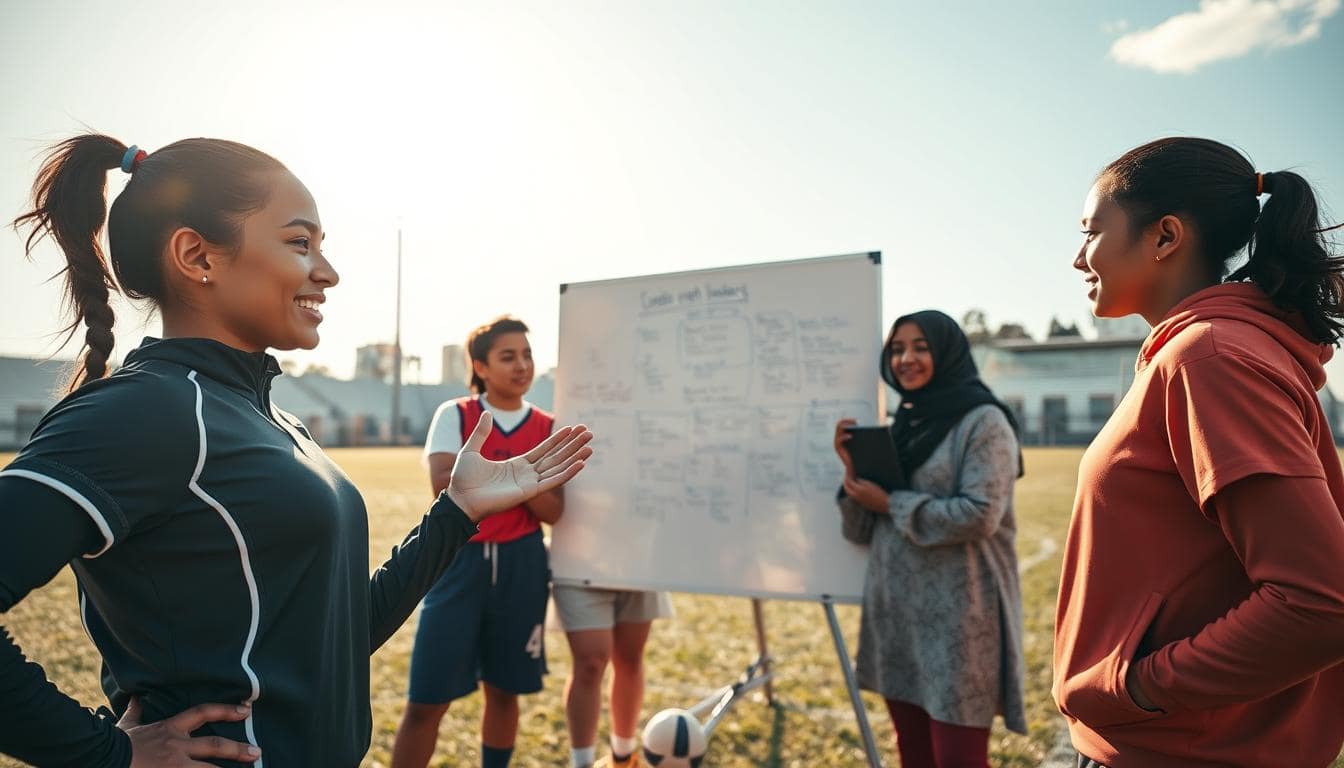
What happens on the field often stays with us for life. Sports are more than just games. They are a training ground for character, confidence, and community.
The discipline of practice teaches focus. The teamwork in a huddle builds trust. The resilience after a loss fosters grit. These are not just athletic skills. They are the core qualities of a strong leader.
Structured programs harness this natural power. Organizations like AACE believe sports are a powerful catalyst for personal growth. They connect student-athlete mentors with young people, fostering a champion mindset.
This mentorship creates a ripple effect. It empowers youth to see their own profound and transformative journey from the field to leadership.
Developing Leadership Programs for Youth
Starting a youth empowerment program begins with a team of passionate coach mentors. They are more than just teachers; they are role models. They guide, inspire, and hold young athletes accountable both on and off the field.
Before you start looking for mentors, it’s important to set clear goals. Are you focusing on building communication skills, teamwork, or community engagement? Specific goals guide every decision, from the curriculum to the volunteers you need.
The right team has both experienced coach mentors and enthusiastic volunteers. Look for mentors who show the leadership qualities you want to teach. Volunteers handle logistics, letting coaches focus on mentoring. This teamwork is essential for success.
Choosing the right place is more than finding an open field. The space must be safe, accessible, and good for learning. Look for places that can host classroom-style discussions for life skills, alongside physical training areas.
The program’s heart is a structured curriculum. Models like the AACE Playbook used in summer camps do more than drills. They include character development, basic nutrition, and mental wellness in the sports schedule.
This approach helps youth grow as complete individuals. Below is a table showing key parts of an effective leadership curriculum.
| Focus Area | Sample Activity | Intended Outcome |
|---|---|---|
| Athletic Skill | Drill stations focusing on teamwork and strategy | Improved sport competence and understanding of collaborative play |
| Character Building | Group discussions on integrity and sportsmanship | Stronger ethical decision-making and personal accountability |
| Health & Wellness | Interactive sessions on hydration and healthy snacks | Better personal health habits and body awareness |
| Mental Resilience | Goal-setting workshops and positive self-talk exercises | Enhanced confidence and ability to handle pressure |
Promoting the program is key. Use local schools, community centers, and social media to spread the word. Highlight the unique value of the coach mentors and the life skills, not just the sport.
Being flexible is important during the program. The best mentors adapt sessions in real-time based on the group’s energy and needs. Encourage peer-to-peer coaching to reinforce leadership lessons.
Don’t forget to gather feedback. Surveys from participants and parents offer valuable insights. This feedback helps improve the program with each iteration.
In the end, a well-developed program creates a powerful cycle. Dedicated coach mentors deliver a balanced curriculum. This builds skilled athletes and resilient young leaders ready to make a difference.
Real-Life Case Study: Leaders Born on the Field
Imagine a program where young athletes don’t just play sports. They become the architects of their own safe sporting future. This vision is alive in two powerful initiatives. Their stories show how youth leadership grows from personal experience.
Noah Moon founded the nonprofit AACE. His journey started as a student-athlete. He saw how sports mentorship changed his life. He turned that into a force for community change. AACE now gives young people tools to lead. They learn to advocate for themselves and others.
Another example is the Youth Ambassadors Program. It’s run by ESYDA and Mission 89. This program creates a youth-led platform. Young athletes take ownership of their safety and development. This is important ahead of the 2026 FIFA World Cup.
These athletes become true role models. They don’t just follow rules. They help shape the ethical culture of sports. This puts them at the center of advocacy. It proves that youth leadership is not a future concept. It’s happening right now.
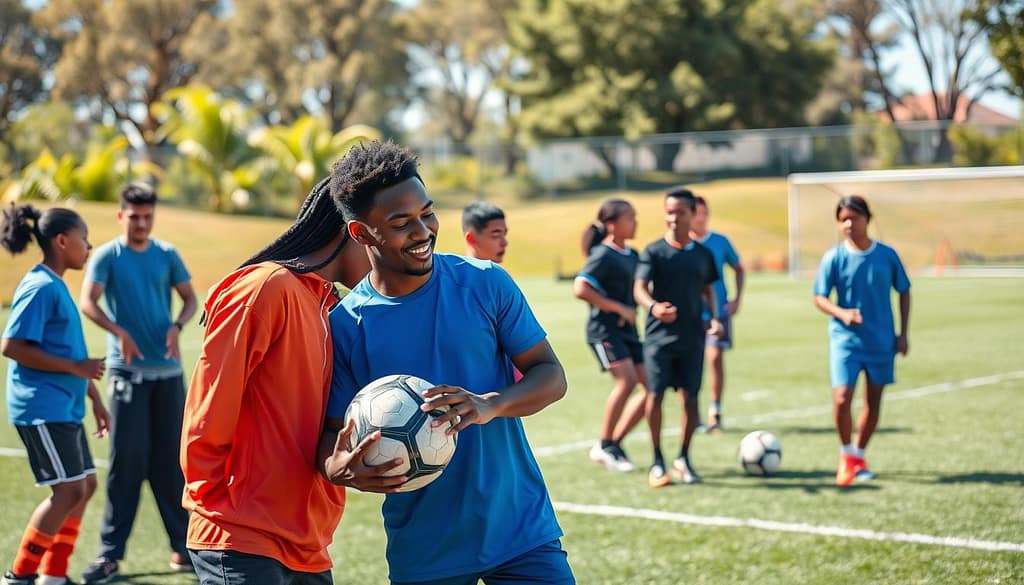
What do these case studies teach us? The outcomes are clear and inspiring.
- Personal Experience Drives Change: Leaders like Noah use their own stories to connect and inspire.
- Ownership Empowers: When youth lead the conversation, they build confidence and skills.
- Role Models Multiply: One empowered athlete can inspire an entire team or community.
- Safety Becomes a Shared Goal: Youth-led advocacy makes sports environments better for everyone.
These programs show a simple truth. The field is more than a place for games. It is a training ground for character. Every pass, every play, and every team meeting can build a leader. The result is a new generation of role models. They carry the lessons of sport far beyond the final whistle.
Coaching Techniques That Inspire
The best coach mentors do more than teach skills. They spark a change in young athletes. It’s not just about plays or drills. It’s about shaping character and unlocking their full ability.
Successful youth sports programs rely on these dedicated volunteers. They mix athletic training with leadership lessons. A great coach blends teamwork and decision-making into practice. This way, leadership becomes a natural part of the game.
Organizations like AACE show the power of mentorship. They use older student-athletes to guide younger ones. This builds self-esteem and resilience in a way that resonates.
So, what makes this coaching style so impactful? First, it fosters a growth mindset. Coaches praise effort and strategy over talent. They see mistakes as chances to learn, not failures.
Second, mentors create safe spaces for open dialogue. Places like ESYDA show the importance of being heard. A coach might ask, “What’s a challenge you faced this week?” This builds trust and encourages emotional intelligence.
Third, they share personal stories to teach. This makes them relatable and authentic. It shows that perseverance is key.
The ultimate goal is relational coaching. It focuses on the bond between coach and athlete. It boosts confidence and encourages taking risks. A great mentor models a champion mindset—focusing on attitude, effort, and improvement.
The table below outlines core techniques used by inspirational coach mentors and their direct benefits:
| Coaching Technique | Core Principle | Expected Outcome for Youth |
|---|---|---|
| Growth Mindset Language | Praising effort and learning from setbacks | Increased resilience and willingness to tackle difficult tasks |
| Dialogic Safe Spaces | Facilitating open, non-judgmental conversations | Enhanced communication skills and greater self-awareness |
| Experiential Mentorship | Using personal narratives and peer guidance | Stronger role model identification and boosted self-esteem |
| Champion Behavior Modeling | Demonstrating positive attitude, work ethic, and respect | Development of intrinsic motivation and leadership by example |
Mastering these techniques turns a coach into a true mentor. The relationship becomes a foundation for growth that lasts long after the season ends. By focusing on the whole person, coach mentors inspire the next generation of leaders, both on and off the field.
Long-Term Benefits of Leadership Skills
The final whistle may end a game, but the leadership skills learned on the field last a lifetime. Investing in youth leadership through sports has long-term benefits. It builds a strong foundation for success long after sports are over.
Young people learn confidence and clear communication skills through sports. These skills help in school, job interviews, and personal relationships. The values of fair play, dedication, and perseverance also boost academic drive and personal integrity.

AACE aims to equip youth with tools for success in school, sports, and life. It focuses on holistic growth. The resilience, teamwork, and strategic thinking learned in sports become lifelong assets.
Ethical decision-making in sports translates to the boardroom and community. The long-term benefits of leadership development are evident. Young leaders can plan, adapt, and inspire others, impacting their future careers and communities.
Leadership skills benefit greatly in academics, careers, and community involvement. A young leader can lead in school, work, or volunteer projects. This creates a positive ripple effect in communities. The journey of nurturing leaders through sports has a lasting impact.
The true impact is a legacy of empowered individuals. They achieve their goals and help others. The leadership journey is lifelong, starting on the field.
Testimonials from Participants
Listening to those who have been part of a program shows its true impact. Young athletes, mentors, and community partners share their experiences. Their stories of growth and confidence are at the heart of our mission.
Noah Moon, president of AACE, captures the essence: “We’re excited about the organization we’ve started and the direction we’re taking to help other kids become more self-confident. Seeing them step up, not just as players but as leaders for their peers, is why we do this.” This vision creates a safe space for honest dialogue.
Many participants talk about discovering their own strength. A high school senior said, “I used to just follow instructions. Now, I’m the one organizing drills and encouraging my teammates. I never saw myself as a leader before.” This change from follower to leader is common.
Another important aspect is young people becoming role models. Programs encourage them to be positive role models for younger kids. A community partner mentioned, “The older athletes don’t just coach skills. They model respect, resilience, and teamwork. The younger kids look up to them instantly.”
The testimonials highlight several key points:
- Unlocked Self-Belief: Many describe a journey from doubt to confidence.
- Responsibility Embraced: They learn that their actions and attitudes impact others.
- Mentorship Cycle: Being guided inspires them to guide others in turn.
- Community Connection: They feel a stronger, positive bond with their peers and neighborhood.
These stories show that leadership skills learned in sports go beyond the field. Young people apply these lessons in school, at home, and in their careers. They become role models in all areas of life, creating a positive change. Their real-life experiences prove the power of sports-based youth development.
Strategies for Program Expansion
To grow the impact of youth sports leadership programs, we need a careful and team effort. We aim to bring life-changing experiences to more young people everywhere.
Building strong partnerships is key. Groups like AACE work with schools, afterschool programs, and community groups. They team up with the APP Academy, Florida Gulf Coast University, and local schools. This creates a strong network that helps them reach more people.
For lasting growth, we must engage with the community. The ESYDA initiative shows how a shared goal and teamwork can lead to success. By working with local people, programs can meet real needs and get lasting support.
Having different ways to fund programs is important for growth and stability. Grants, corporate sponsorships, and donations help expand. This money supports training and hiring of dedicated coach mentors.
These coach mentors become role models for the kids. Investing in their growth has a big impact. Every new partnership and funding source means more kids can grow, learn, and have a better future. Strong role models help shape the leaders of tomorrow.