
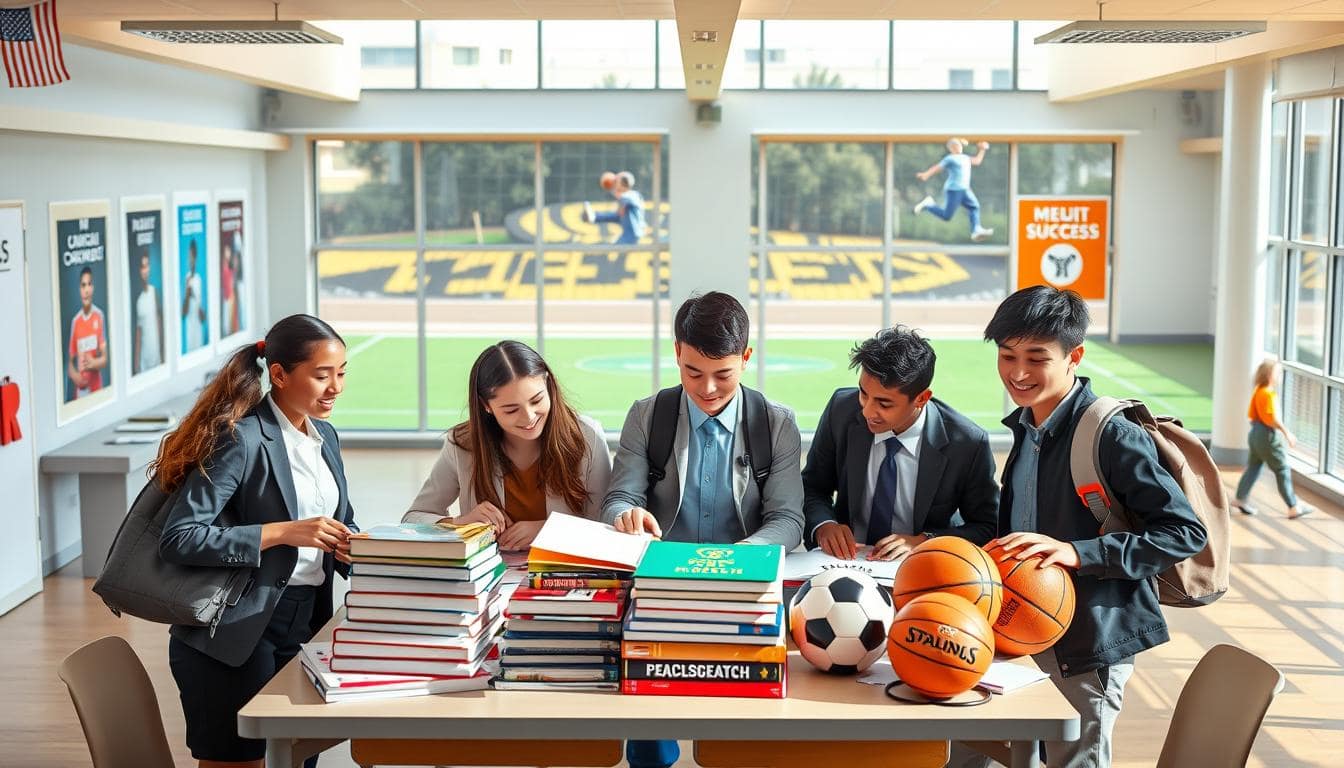
What if the path to top grades wasn’t found only in the library, but also on the field? For too long, sports and schoolwork have been seen as rivals for a student’s time and energy.
A powerful shift is happening. Research now reveals they are powerful allies.
Nationwide studies show a clear link. Students who play on sports teams report better grades. This isn’t just a coincidence. The more teams a student joins, the stronger their academic performance tends to be.
The playing field is a classroom for life skills. Athletics teach responsibility, teamwork, and time management. These are the exact qualities that fuel success in the classroom. The perseverance built during practice translates directly to tackling tough homework.
This connection goes beyond core subjects. Using sports, students can engage with STEM concepts in a dynamic way. They learn by doing, which boosts understanding and retention.
This is the true power of Academic Integration. It moves sports from an extra activity to a vital part of building a focused, resilient, and successful student. It’s about winning in the game and in your future.
Design Programs That Balance Sports and Study
Academic accountability becomes a daily reality when schools focus on balance. It’s not just hoping for the best. It’s about creating a system where sports and studies support each other. This environment teaches students to manage their time and stay committed every day.
Begin with a strict schedule. A student-athlete’s week should be as disciplined as a professional’s. Set aside dedicated study times just like practice times. These study periods are non-negotiable. They show students that their minds need focused training just like their bodies.
Next, set clear goals. A powerful tool is the student-created performance contract. A teacher shared that students create contracts. If grades drop or behavior worsens, they might lose their sports chance. This empowers students to set their own targets and face the consequences. It turns academic accountability into a personal promise.
Curriculum is key to keeping students engaged. Use sports to make core subjects real. Programs like STEM Sports offer curricula that make learning hands-on. Imagine learning physics through basketball or math through baseball. This makes abstract concepts clear and shows the value of classroom work.
Skills transfer seamlessly from sports to studies in a well-designed program. Persistence in drills translates to essay completion. Teamwork in sports helps with group projects. This transfer is automatic and celebrated in a balanced program.
How does a traditional program compare to one focused on balance? The table below shows the main differences.
| Program Element | Traditional Approach | Designed Balance Program |
|---|---|---|
| Daily Schedule | Academic and athletic times compete; study is often an afterthought. | Protected, blocked study sessions are scheduled with the same priority as sports practice. |
| Student Accountability | Rules are set by coaches and teachers; consequences feel external. | Students co-create performance contracts, owning their academic and behavioral goals. |
| Curriculum Integration | Subjects are taught in isolation from a student’s athletic life. | Sports are used as the engaging, real-world context for STEM and core subject lessons. |
| Primary Outcome | Focus is on winning games and passing classes separately. | Focus is on developing a disciplined, accountable individual who succeeds in both arenas. |
Creating this system requires careful planning. It demands coaches and teachers to work together as architects. The result is students who are not just athletes or scholars, but resilient, accountable leaders. Start designing your program today. Make balance your foundation.
Academic Tutoring and Support Sessions
Academic tutoring is more than just catching up. It’s a key to unlocking student-athlete success. It makes sure sports don’t overshadow schoolwork. This balance is vital for a well-rounded scholar-athlete.
Studies show sports and school can mix in different ways. A study found the link between sports and grades varies by sex and grade level. This means each student needs a unique approach. Personalized tutoring sessions are a must. They should fit each student’s learning style and schedule.
The heart of this system is the grade check. It’s not about punishment. One athlete said, “Grade checks kept me on track in high school and college. They helped me tackle challenges.” A grade check is a caring check-in. It fuels personal and academic growth.
Good tutoring does more than just teach subjects. It builds academic resilience. Tutors teach study skills for a busy life. They offer support and strategy.
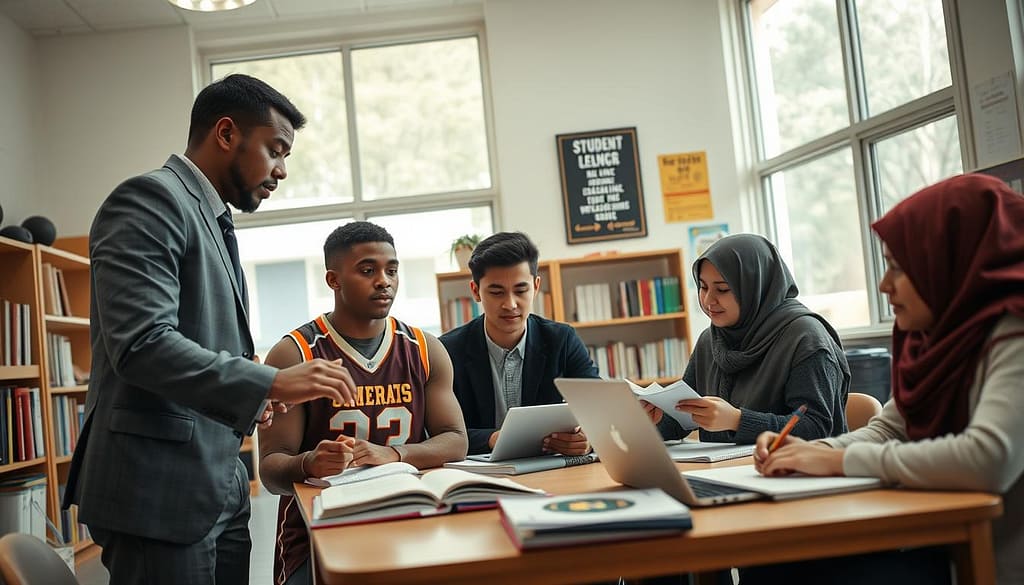
This tailored help offers a mentor who believes in the student’s success. Research shows students in activities have better attendance and grades. Strategic tutoring maximizes this advantage. It helps every athlete succeed academically.
| Feature | Generic Tutoring | Strategic Athlete Tutoring |
|---|---|---|
| Primary Goal | Address current homework or test failure | Build long-term academic skills and confidence |
| Scheduling | Fixed, often inconvenient times | Flexible, built around practice & travel calendars |
| Focus | Subject content only | Content + time management & study strategies |
| Relationship | Transactional teacher-student | Mentorship with focus on holistic growth |
| Outcome | Short-term grade improvement | Sustained GPA elevation and graduation readiness |
The table shows the shift needed. Strategic tutoring is an investment in the whole person. It turns support into a powerful partnership. This partnership unlocks an athlete’s full classroom and beyond.
Case Study: Boosted GPAs and Graduation Rates
Imagine a high school where sports excitement boosts classroom focus. This isn’t just a dream. It’s backed by real data showing success.
A major study found that nearly 80% of student-athletes earned A’s and B’s. This isn’t random. The study used odds ratios to show athletes’ grades were higher than non-athletes.
Being on one team sport made students 1.48 times more likely to do well in school. Being on more teams increased this benefit.
| Number of Sports Teams | Odds Ratio for Academic Success | Impact Level |
|---|---|---|
| 1 Team | 1.48 | Significantly More Likely |
| 2 Teams | 2.34 | Over Twice as Likely |
| 3+ Teams | 2.72 | Nearly Three Times as Likely |
Seniors who played three or more sports were over four times more likely to excel academically. This shows that being deeply involved in sports helps seniors do well.
This means better grades, stronger transcripts, and higher graduation rates. Colleges look at these numbers closely.
Good grades and dedication open doors to scholarship opportunities at universities. They are the keys to success.
Think of these numbers as success stories. Each one shows a student who learned discipline in sports and applied it to school. It shows a graduate ready for college.
The data clearly shows that sports and academics together are key. It’s not just about better athletes. It’s about students succeeding in all areas of life. It’s about using sports to fuel academic success and open doors to scholarship opportunities and bright futures.
Creating Scholarship Pathways
Building a bridge from high school sports to university scholarships is an active process. It involves mentorship and preparation. It’s about seeing the finish line not just on the track, but in a college acceptance letter. This journey transforms athletic passion into a powerful vehicle for educational advancement.
Personal stories make this vision real. One student-athlete’s dedication in cross-country didn’t just build endurance; it built a future. “I eventually earned a cross-country scholarship to the University of Hawaii at Hilo,” they shared. This wasn’t luck. It was the direct result of discipline cultivated mile after mile, applied just as diligently to their studies.
The competitive fire that fuels athletes is a unique asset. Their drive to compete and represent their school carries over into how they view learning. The perseverance, teamwork, and time management honed in practice are the very skills colleges seek. These traits are recognized as strong incentives for better academic performance, making a student a compelling candidate for more than just their athletic skill.
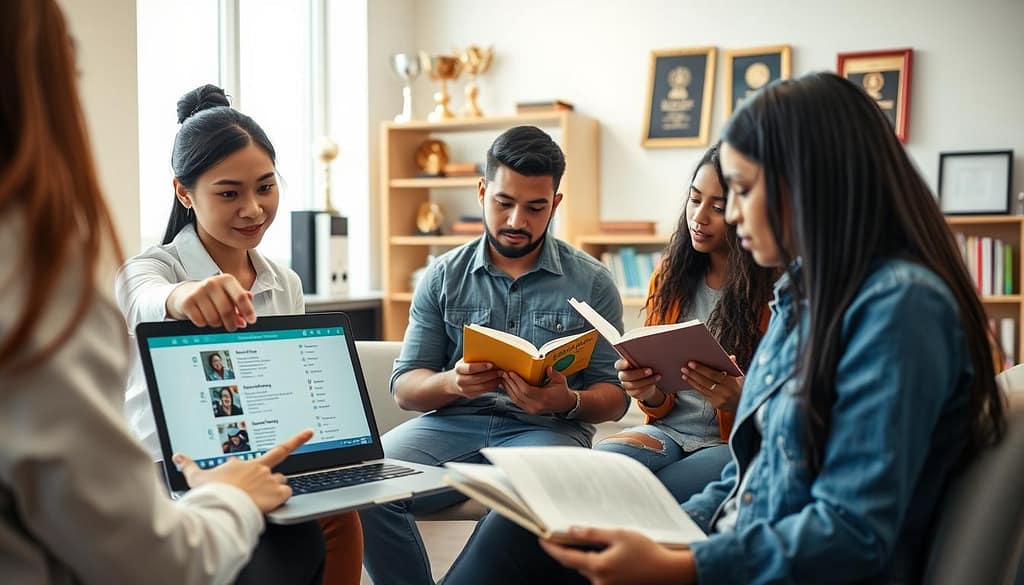
Educators and coaches play the most important role in guiding this process. They move from being trainers to becoming architects of opportunity. This proactive guidance involves several key actions:
- Maintaining Academic Momentum: Protecting the GPAs revealed in success stories is job one. Academic eligibility is the non-negotiable ticket to the game.
- Highlighting Leadership: Captaining a team or supporting teammates showcases character. These roles should be prominently featured in applications.
- Articulating the Story: Helping students translate their athletic experiences into powerful application essays is key. They must learn to communicate how their transferable skills prepare them for college rigor.
- Early and Ongoing Research: Identifying scholarship opportunities early allows students to tailor their high school journey to meet specific criteria.
The final, powerful shift is reframing the college scholarship. It is not a distant dream reserved for the elite few. It is an achievable goal, built brick by brick on the foundation of integrated effort in the classroom and on the field. This active work in strengthening pathways to student success ensures that a student’s hard work opens doors to education, careers, and a lifetime of opportunity.
Engaging Coaches as Academic Mentors
Academic accountability on a team doesn’t happen by accident. It’s a culture carefully cultivated by a coach who values growth in the classroom as much as on the court. This approach changes the coach from a tactical leader to a key academic mentor and partner.
A study by McDowell, Huang, and Caza found that athletes who see their coaches as leaders develop greater resilience. This resilience helps them succeed in school as well as sports.
This creates a powerful ecosystem of responsibility. Coaches, advisors, and teammates all hold each other to high standards. The message is clear: being a good teammate means supporting each other’s academic accountability as much as remembering a playbook.
What does this look like in practice? Effective coach-mentors use several key strategies:
- Weekly Academic Check-ins: A quick, focused conversation that moves beyond “How’s school?” to “What’s your biggest challenge in math this week?”
- Celebrating Academic Wins: Recognizing a improved test grade or completed project with the same enthusiasm as a game-winning shot.
- Facilitating Peer Tutoring: Leveraging team bonds by connecting stronger students with those who need help in specific subjects.
The impact of this mentorship extends far beyond a single season. A coach who champions academic growth helps shape a confident, capable individual prepared for life’s next challenges. Their influence becomes a lasting gift.
Ultimately, aligning coaching and teaching philosophy creates a unified support system. The student-athlete feels known, challenged, and supported in all aspects of their life. This holistic approach is the cornerstone of positive coaching strategies that build better outcomes, proving that the most powerful coaching happens both on and off the field.
Monitoring & Reporting Academic Improvements
Success in any field comes from clear goals and tracking progress. Schools need a system to follow how sports and study work together. This helps make sure everyone is doing well.
It’s not just about grades. Schools should watch how students do in school versus sports. They can also check if students show up more to classes or practices. Asking students how they feel about school helps too.
Studies show that sports can help students do better in school. They use special methods to find this out. Your program should look for similar proof of success.
Then, it’s time to share the good news. Tell the school board and community about the improvements. Show these results in sports department updates. Also, use this information when colleges come to recruit.
Sharing this information does more than just show success. It makes everyone proud of their achievements in school and sports. It shows that hard work pays off. And it proves that students are building a bright future.