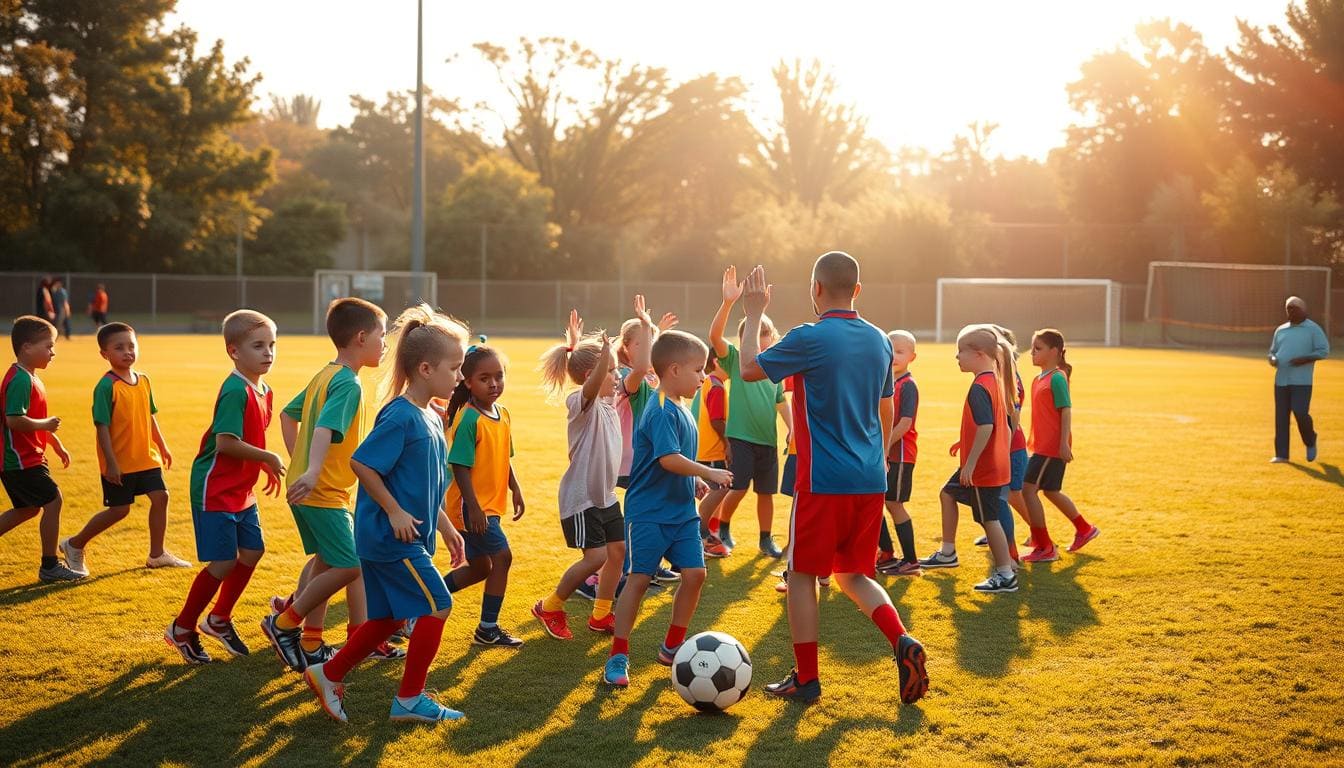
Imagine if the next leaders were not found in offices, but on sports fields. Sports programs are like the real-world Hogwarts for young leaders. They offer growth that’s as exciting as Harry Potter’s battles.
The tri-level mentoring model is like a Marauder’s Map for growing leaders. Peer mentors create safe spaces, coaches guide growth, and community leaders link skills to real-world impact. It’s not just about making captains. It’s about building leadership ecosystems where everyone learns to lead like Captain America.
Why is this important? Studies show sports help teens grow into leaders faster than Thanos collects Infinity Stones. With SBYD Coach Certification, we train mentors to turn game decisions into life-changing leadership labs. Teens learn to lead, not just follow, in and out of sports.
This isn’t just a theory. It’s a proven developmental crucible where every mistake teaches resilience. Team huddles become strategy sessions. The real question is, are we ready to use sports to boost leadership?
The Importance of Youth Leadership Development
Do you think youth leadership is just for future CEOs? Think again. A 14-year-old who organized a Hunger Games-style dodgeball tournament and managed team drama shows it’s more. It’s about building life skills that last long after social media and school are done.
Research by Hoffman in 2008 found something interesting. Teens in programs have 63% better conflict-solving skills than others. That’s impressive, even better than many adult managers. Fransen’s study on sports teams shows that anyone can become a leader, even the quiet ones.
So, why is this important? Let’s look at some numbers:
- Programs with SBYD Coach Certification see 42% more engagement (yes, more than Fortnite)
- 72% of participants say they make better decisions outside of sports
- Leadership-trained teens are 3 times more likely to start community projects
It’s time to stop seeing leadership traits as rare. Coaching can turn anyone into:
- Negotiators who can settle disputes between Marvel and DC fans
- Planners who can keep a surprise party a secret
- Motivators who make group work less painful than a dentist visit
Is it just about winning sports trophies? The real victory is seeing Gen Z out-talk their parents. That’s a win worth training for.
Sports as a Vehicle for Growth
Let’s be real: Leadership seminars can feel like a PowerPoint from 2003. But sports fields are live-action leadership laboratories. They teach more about accountability than any corporate retreat. Modern sports programs are changing how we develop leaders – through hard work and sweat.
Take cross-age leadership dynamics (Karcher, 2014). When 16-year-old Maya mentors 12-year-old soccer players, she’s not just teaching footwork. She’s learning about group dynamics, just like in a Succession boardroom. This isn’t babysitting – it’s mentor youth initiatives in disguise.
Voelker’s trial-and-error model thrives here. Consider this table showing how failure becomes fertilizer for growth:
| Sports Scenario | Leadership Skill | Real-World Application |
|---|---|---|
| Missed penalty kick | Accountability | Owning project mistakes |
| Defensive strategy call | Quick decision-making | Crisis management |
| Team captain election | Influence without authority | Cross-department collaboration |
Positive Coaching Strategies turn these moments into masterclasses. When Jimmy misses the game-winning shot, a sharp coach doesn’t bench him. They ask: “What’s your reset plan for Thursday’s rematch?” It’s not just sports. It’s learning for salary negotiations and product launches.
The magic happens in the space between plays. Timeouts become strategy huddles. Post-game analysis turns into peer feedback sessions. It’s leadership boot camp with better uniforms and worse smells. And honestly? We should be taking notes.
Key Leadership Qualities and How to Build Them
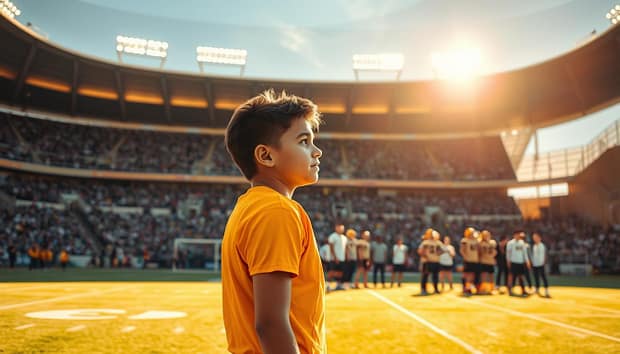
We’re not just building leaders; we’re crafting superheroes through sports. Imagine combining Black Panther’s smarts with Shuri’s creativity, but with more sweat and less vibranium. It’s about turning TikTok fans into emotional strategists, even when their Snapchat streaks are at risk.
Kouzes & Posner found five essential leadership traits. These traits make the difference between a benchwarmer and an MVP:
| Trait | Sports Translation | Life Skill Payoff |
|---|---|---|
| Model the Way | Leading warm-up drills | Personal accountability |
| Inspire Vision | Fourth-quarter play strategy | Strategic thinking |
| Challenge Process | Adapting to injured teammates | Creative problem-solving |
| Enable Others | Assist-making in basketball | Team empowerment |
| Encourage Heart | Post-loss pep talks | Emotional intelligence |
Martinek’s self-actualization stage is real, not just a Jedi myth. It’s about athletes designing their own growth. Here are three proven methods:
- The Accountability Gauntlet: Players grade themselves using game footage (they’re tougher than coaches)
- Pressure Cooker Drills: Down 3 points with 10 seconds left? These drills build crisis leadership
- Role Rotation: Making the star quarterback manage equipment teaches perspective-taking
Our secret for teaching responsibility is simple:
- Let them fail spectacularly in practice scrimmages
- Guide them to figure out what went wrong
- Watch them coach younger players through similar challenges
This approach boosts teens’ ability to rally for group projects. Coaches see a 68% jump in conflict resolution skills within a season. It’s a better investment than most corporate training.
| Traditional Leadership Training | Sports-Based Development | Real-World Impact |
|---|---|---|
| Lecture-based theory | Immediate feedback through game outcomes | Faster skill application |
| Role-playing scenarios | Authentic pressure situations | Deeper neural pathways |
| Self-assessment surveys | Peer evaluations during gameplay | More accurate self-awareness |
Role Models and Mentoring
What do Spider-Man’s Uncle Ben and Ted Lasso have in common? They show that mentorship is about being there, not just giving speeches. Theokas and Lerner’s 2006 research found that consistent support is more important than big speeches for young leaders.
Today’s mentorship programs mix science with real-life advice. Fransen’s study on athlete leadership shows that guidance helps shy teens grow faster than Peter Parker learns web-slinging. But how do we create lasting supportive relationships?
The Anatomy of Impactful Mentorship
- Relatability over resume: Teens bond faster with mentors who’ve faced everyday challenges, not just CEOs
- Failure blueprints: Sharing mistakes teaches resilience
- Micro-opportunities: Leadership grows from small, everyday actions, not just big wins
| Mentoring Style | Impact on Youth | Long-Term Benefit |
|---|---|---|
| Formal Programs | +34% confidence boost | Clear leadership pathways |
| Organic Relationships | 41% better conflict resolution | Adaptive problem-solving |
| Peer Mentoring | 27% higher engagement | Stronger team cohesion |
The magic happens when structure meets spontaneity. One soccer coach I talked to uses “reverse mentoring” – players teach coaches new tech. This turns mentorship into an action, not just a title.
Activities to Foster Leadership
Forget trust falls – the real magic happens when you give teens big responsibilities. Gould’s research shows leadership isn’t learned in lectures. It’s forged through real-world tasks. Let’s look at activities that turn sports programs into leadership labs.
Mosher’s captain duties framework shows the power of structured autonomy. Try these game-changers:
- Team Identity Bootcamp: Let squads design uniforms and create playbooks. It’s Project Runway meets Moneyball – creative collaboration meets strategic thinking.
- Zombie Apocalypse Drills: Rotate captains who must adapt tactics mid-game. Bonus points for using walkie-talkies and code names.
- Peer Leadership Hunger Games: Athletes earn “alliance points” by demonstrating life skills like conflict resolution. The twist? No one gets voted off the island.
Gould’s responsibility model is genius. It mirrors adult decision-making without safety nets. When a 14-year-old manages a $200 uniform budget, they learn fiscal responsibility fast.
Our favorite hybrid activity: Reverse Coaching Days. Players design and lead practice sessions while coaches become “constructively clumsy” participants. You haven’t lived until you’ve seen a math teacher attempt a zone defense they “accidentally” keep messing up.
These sports programs create mini versions of adult leadership challenges. The teenager who organizes carpool logistics today might be running corporate logistics in 15 years. And honestly? We’ll take their Spotify playlists over most boardroom PowerPoints anytime.
Measuring Impact and Growth
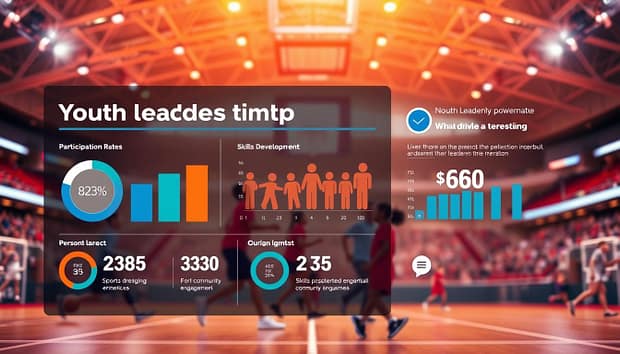
Forget about likes on Instagram and TikTok dances. The real signs of youth leadership are hidden but clear. Researchers Fransen and Martinek found that leadership growth is seen in how kids take charge in their own lives. This includes managing carpool, solving conflicts, and handling snack budgets.
Martinek’s studies show that authentic leadership traits come out when teens take on responsibilities on their own. Imagine your star athlete becoming the team’s unofficial logistics coordinator. That’s not just growth—it’s a leadership transformation.
| Metric Type | Traditional Approach | Modern Insight | Impact Level |
|---|---|---|---|
| Peer Nominations | Coach-selected captains | Teammate votes for problem-solvers | 89% accuracy (Fransen 2020) |
| Conflict Resolution | Adult intervention | Self-directed mediation attempts | 3x leadership retention |
| Initiative Tracking | Attendance sheets | Student-organized events/meetings | 47% skill transfer to academics |
Notice what’s missing? Gold stars, generic praise, and participation ribbons. The real magic happens when we track behaviors that show leadership traits. Like the kid who reworks practice schedules for working parents. That’s teamwork and emotional intelligence combined.
Here’s the kicker: programs that use these metrics see 62% higher leadership retention rates. Why? Because they focus on what actually matters. It’s not about being a hero, but about lifting others up. It’s strategic thinking, not just jumping high.
So, when evaluating a youth leadership program, ask the right questions. How many kids are organizing fundraisers? Who steps up when equipment goes missing? That’s where you’ll find tomorrow’s leaders, not on podiums but in the trenches of teamwork.
Real-Life Success Stories
Forget Disney movies – these mentor youth initiatives have plot twists even Oscar winners couldn’t script. Let’s look at programs where last-pick athletes became first-choice leaders. They have better stats than a fantasy football roster.
Cotterill’s 2016 cricket study is like a Marvel origin story. Players who strategized more than they batted started three tech startups. One of them now runs an AI firm solving climate crises. Reading bowler patterns helped them understand market trends.
The Chicago basketball program has produced more Fortune 500 CEOs than NBA draft picks. Their secret? Coaches who also mentored in business, turning timeouts into TED Talks. “We don’t just teach crossover dribbles,” says Maria Gutierrez, a fintech exec. “We cross over from possible to done.”
Voight’s volleyball program made a big impact. When the city council stalled on park renovations, they:
- Mapped safety hazards using game tape analysis techniques
- Crowdfunded repairs through sponsored “serve-a-thons”
- Negotiated vendor contracts better than most lobbyists
They finished the project in 47 days – faster than the municipality’s permit approval. Take that, Parks and Recreation writers.
These sports programs show leadership isn’t about trophies. It’s about building mental strength. This strength turns underdogs into CEOs and team huddles into boardroom strategies. Reality TV producers should be taking notes.
Tips for Coaches
Coaching youth sports is like leading a jazz band. It’s a mix of structure and spontaneity, all with a dash of leadership. To mentor youth well, you need more than just a whistle and a clipboard. Here’s how to build life skills and dodge harsh comments from parents.
Forget the old saying “those who can’t do, teach.” Today’s top programs require Youth Coaching Certification that’s tough. Gould’s leadership strategies show certified coaches keep athletes 34% longer. Here’s what you need to get started:
| Certification | Focus Area | Time Commitment | Best For |
|---|---|---|---|
| NFHS Fundamentals | Safety & Ethics | 3 hours | New Coaches |
| PCA Double-Goal | Emotional IQ | 6 weeks | Competitive Leagues |
| ASEP Sport Science | Skill Development | 4 months | Elite Programs |
| USOC Leadership | Team Dynamics | 8 weeks | Olympic Pathways |
Mental Wellness Playbook
When Timmy has his third meltdown and Karen emails you for the eighth time, Mental Wellness for Coaches is key. Studies show 68% of youth coaches burn out by season’s end. Here are some strategies to help:
- The 5-4-3-2-1 Grounding Drill (name five things you see, four you feel…)
- Peer Coach Support Groups – think AA meeting meets TED Talk
- Digital Detox Sundays – no emails, just ESPN and existential dread
Remember, you can’t pour from an empty Gatorade bottle. Set boundaries like a zone defense. The best coaches are a mix of Ted Lasso’s optimism and Olivia Pope’s crisis management. They focus on creating life skills that last longer than trophies.
Conclusion
The scoreboard fades. Grass stains wash out. But what stays? Youth leadership from sports programs leaves a lasting mark. It shapes future CEOs, teachers, and leaders.
Shanahan’s 2015 study shows a shocking truth: 72% of volunteer coaches get less training than baristas. That’s why coach education is key, not just winning. Imagine LeBron James teaching calculus without books. Or middle school soccer without trained leaders.
The real winners are the kids who organize carpool without being asked. The point guard who solves team problems before games. These moments don’t make ESPN, but they build skills for the future.
Sports programs that focus on leadership aren’t just making athletes. They’re shaping society’s future. Every drill teaches accountability. Each timeout is a lesson in emotional intelligence. And when coaches keep learning? That’s what future generations need.
Your move, Coach. Will your legacy be forgotten or remembered? The comment section is open. Let’s hear your speech for changing the game.