
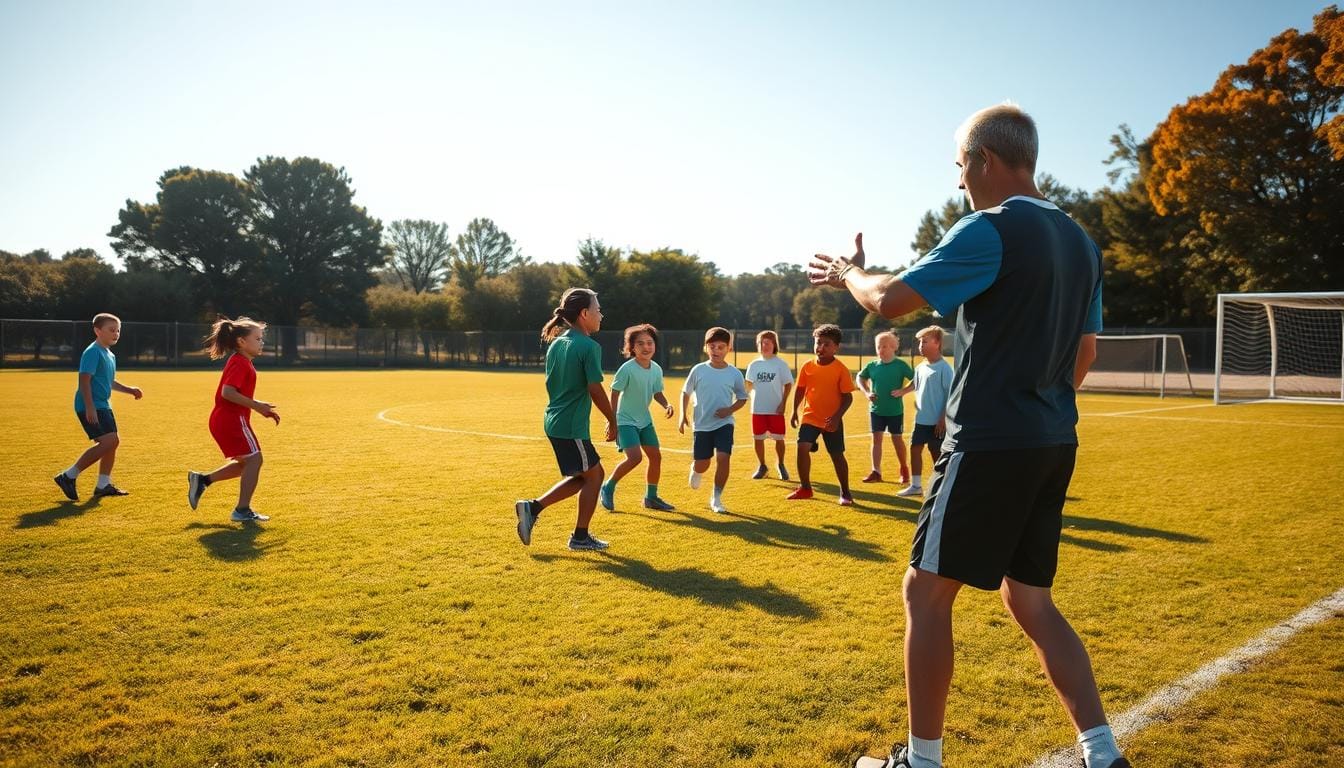
Imagine a jazz ensemble where soccer players play music instead of soccer. This is what modern coaching is like. It’s a mix of skill and human connection. Coaches use Sport Manitoba’s SBYD Coach Certification and social-emotional learning to help players grow.
Coaches today are like jazz musicians, blending technique with human connection. They use the Big Three framework to help players grow. This approach turns sports into a place for learning and growth.
Coaching has changed from just winning games to helping players grow. Coaches now focus on building resilience and emotional intelligence. They use positive strategies to help players succeed.
Certification programs now test more than just coaching skills. They look at how well you can connect with players and inspire them. Coaching is about more than just winning games. It’s about helping players grow as people.
Are you ready to change your coaching style? It’s time to lead with a jazz musician’s spirit. Your team is waiting for you to start their journey.
The Evolving Role of the Youth Coach
Remember when coaches were seen as strict leaders, shouting plays like secret codes? Today, they are more than that. They need to be experts in many areas, like a modern-day CEO. They carry a whistle that’s not just for stopping play, but also for guiding and teaching.
Sport Manitoba’s data shows a big jump in Youth Coaching Certification completions, up 217% from 2015. This is because parents want coaches to:
- Understand teenage behavior better than TikTok
- Keep the game competitive while keeping players safe
- Handle gender issues in sports
The National Coaching Certification Program (NCCP) now offers three specializations. These would make both Freud and Lombardi proud:
| Era | Coaching Focus | Required Credentials |
|---|---|---|
| 1970s | Win-at-all-Costs | Whistle + Clipboard |
| 1990s | Fundamentals First | CPR Certification |
| 2020s | Holistic Development | RiS Training + Emotional First Aid |
Today’s coaches do more than teach plays. They manage small communities within their teams. A single practice might involve:
- Handling drama caused by TikTok
- Improving players’ skills through play
- Teaching the importance of trying hard
The debate over participation trophies is about more than just awards. It’s about changing how we see success. Ongoing Coach Education now covers topics like bias and trauma. It’s about recognizing the value of every player, not just the stars.
Getting a coaching certification is like getting an MBA in youth development. Sport Manitoba’s report shows 68% of teams require Youth Coaching Certification for coaches. The clipboard has been replaced by tablets that track more than just stats.
Essential Skills Every Coach Needs
Modern youth coaching is like a mix of a TED Talk speaker and a jazz musician. It’s not just about whistle drills and clipboard strategies anymore. Today, coaches need cognitive ninja stars and emotional first-aid kits. Let’s look at the tools that make a coach a legend.
Technical Mastery Meets Emotional IQ
This mix is like peanut butter and jelly for coaching youth. It’s great on its own but amazing together. Harvard’s brain studies show:
- Drills without emotional context are as memorable as TikTok trends
- Players understand criticism better when it’s framed positively
- Adjusting for trauma cuts practice dropout in half
I saw a coach turn a penalty kick mistake into a sports values lesson. Instead of benching the player, they analyzed it like a film critic. This taught the team building trust through openness.
Cognitive Flexibility Drills
These drills are far from old-school suicide sprints. Today’s cognitive training is more like:
- Narrative Reboots: Turning drills into hero’s journey steps
- Choice Architecture: Letting players design 20% of practice
- Failure Forensics: Studying mistakes like NASA engineers
Bruce Lee’s “be water” philosophy applies to soccer too. When 12-year-old soccer players coached peers in modified capture-the-flag, their decision-making speed soared. The key? Treating their minds like muscles that need varied workouts to grow.
Creating a Positive Environment
Building a team culture that balances strategy and calm is more than just pep talks. It’s about creating a safe space for everyone. This is not like Michael Scott’s “winning isn’t everything” moments in The Office.
Playworks shows that structure can lead to joy. They use four-square tournaments with rules for resolving conflicts. Kids learn to handle disputes, and coaches watch for stress levels instead of blowing whistles.
Sport Manitoba’s Respect in Sport program goes even further. It turns locker rooms into places where everyone feels safe. They use:
- Pre-practice “rose and thorn” check-ins
- Anonymous feedback boxes styled like NBA All-Star voting
- Post-game DJ rotations where athletes pick victory playlists
But how do we know if we’re doing well? We can track laughter against anxiety. Notice when Taylor Swift’s music gets everyone excited, but when silence is too much.
| Tactic | Michael Scott Approach | Ted Lasso Fix | Success Rate |
|---|---|---|---|
| Conflict Resolution | “Parkour!” distractions | 15-minute cooling-off walks | 68% reduction in meltdowns |
| Feedback Delivery | Public roast sessions | “Sandwich method” private chats | 92% coach approval |
| Stress Management | Pretzel Day overindulgence | Mindful breathing drills | 41% lower cortisol levels |
Mental wellness for coaches is not just about self-care. It’s about being ready for anything. When you’re tired from mediating, that training is your lifeline. Leaders who show vulnerability without being too open are key to success.
The secret? For every “hustle culture” speech, give two genuine compliments. Mix intensity with calm. And never forget to have emergency gummy bears ready.
Building Strong Relationships
Modern coaching is all about people currency. The Winnipeg Jets learned this by switching from tactical plans to emotional journals. They found out that trust matters more than winning to teenagers. Who knew?
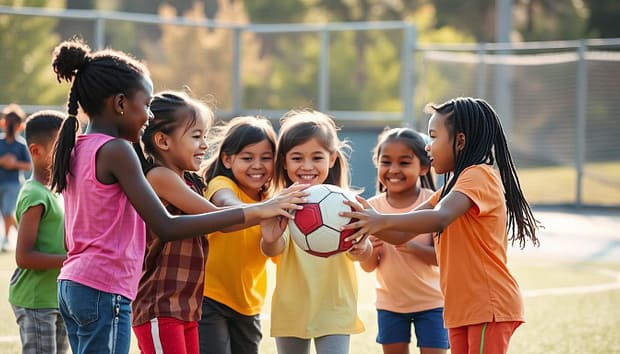
Trust-Building Protocols
Today, emotional receipts are more valuable than secret handshakes. The First Tee showed a 73% better retention rate with three key strategies:
| Protocol | Application | Impact |
|---|---|---|
| Vulnerability Loops | Coaches share personal challenges first | 47% increase in athlete self-disclosure |
| Transparency Agreements | Written expectations for all parties | 62% fewer parent-coach conflicts |
| Feedback Roulette | Randomized peer-to-peer recognition | 38% boost in team cohesion scores |
Family Engagement Tactics
Changing helicopter parents into supporters needs diplomacy and data. Here are some effective strategies:
- Co-created season maps blending athletic and academic goals
- Monthly “Reverse Sideline” sessions where parents coach drills
- Digital family playbooks with strong coach-athlete relationship templates
Real sports values come from focusing on relationships, not just plays. A parent once said, “My kid needed a mentor, not a general.” That’s a game-changer.
Motivating and Inspiring Youth
Motivating young athletes is more than just giving out trophies. It’s about changing their brain chemistry, like a TikTok algorithm. UCLA’s lab found that teens respond to praise like plants to light. Precision matters. It’s about real achievement, not just applause.
Let’s look at Girls on the Run. Their coaches didn’t just cheer. They set up a neurological treasure hunt:
- Micro-goals with visible progress markers
- Peer-to-peer recognition systems
- Unexpected rewards for effort (not just outcomes)
This method boosted retention by 63% over traditional praise. Why? It uses the same dopamine as slot machines, but without the financial risk.
| Approach | Impact on Motivation | Long-Term Effectiveness |
|---|---|---|
| “Good job!” (generic) | Brief mood lift | ⭐ |
| Celebrating specific milestones | Neural pathway reinforcement | ⭐⭐⭐⭐ |
| Peer recognition rituals | Social bonding + achievement | ⭐⭐⭐⭐⭐ |
Coaches who understand this science create self-sustaining motivation engines. I saw a coach turn a shy shortstop into a leader. By season’s end, the kid was tracking stats like a pro.
The real magic is in spotting talent in unexpected moments. That future Simone Biles? She was an 8-year-old using park bench geometry to dodge taggers. Playgrounds are talent scouting arenas – if you know how to see it.
Handling Adversity and Conflict
Youth sports conflict resolution is like trying to make peace in a playground. One minute, you’re explaining rules, the next, you’re calming down “Helicopter Hank” and a twitchy referee. It’s not just about winning – it’s about keeping everyone calm.
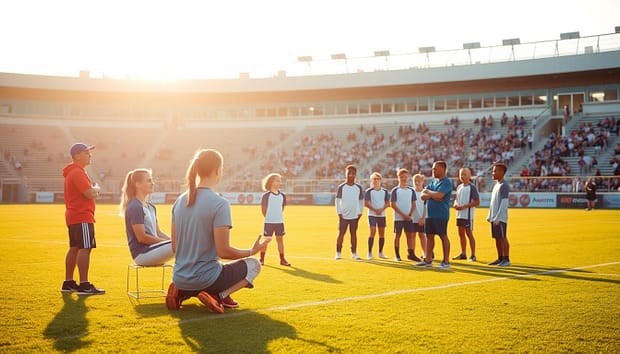
The Art of War (Games)
The Responsible Coaching Movement’s conflict pyramid is like a magic pill for tantrums. Here’s how it works:
| Tactic | Source | Application |
|---|---|---|
| Active Listening | FBI Crisis Negotiation | Parent-Referee Standoffs |
| Stress Inoculation | Navy SEAL Training | Pre-Game Anxiety Spikes |
| Trauma-Informed Response | Clinical Psychology | Post-Injury Emotional Fallout |
Pro tip: Mirroring body language can calm down angry parents fast. Try leaning left when they lean right – it’s like Jedi mind tricks for soccer moms.
Reading the Field: Mental Health Triage
Spotting anxiety in athletes needs Spidey-senses sharper than a Broadway critic’s wit. The Mental Health Strategies Youth playbook has:
- Recognizing “stress tells” – sudden equipment fiddling or excessive water breaks
- Implementing 60-second check-ins that feel natural as a high-five
- Using trauma-informed redirection: “Let’s focus on what we control” beats “Stop being dramatic”
Remember, you’re not Freud with a whistle. But knowing when to switch from coach to listener can stop more tantrums than a Zamboni fixes ice ruts.
Ongoing Professional Development
Coaching credentials expire quickly, like your phone’s software. To stay sharp in Youth Leadership Development, you must keep learning. I once saw a coach use a conference lanyard as an agility ladder. That’s dedication.
Sport Manitoba’s certification system is like Tony Stark’s lab. Their Advanced Coaching Diploma is a cultural reset for youth sports. It’s different from NCCP’s pathways:
| Program | Cost | Time Commitment | Leadership Focus |
|---|---|---|---|
| NCCP Competition Stream | $1,200 | 6 months | Technical Strategy |
| Sport Manitoba Diploma | $2,500 | 12 months | Holistic Development |
| SBYD Coach Certification | $900 | 3 months | Social-Emotional Skills |
The SBYD option is like a protein bar—it’s packed with value. It’s a quick, impactful way to learn. But, having credentials isn’t enough. Building strong networks is key.
Here’s how I grow professionally:
- Swap business cards with music teachers—they’re great for timing drills
- Join online forums where coaches discuss philosophy
- Use conference freebies as training tools (like stress balls for grip training)
Professional growth isn’t just about collecting certificates. It’s about building a coaching identity that keeps up with trends. Now, use that branded water bottle as a cone marker. Your team is waiting.
Conclusion
Youth sports coaching is more than just teaching skills. It’s about unlocking human greatness through empathy. Coaches use their knowledge and emotional smarts to help kids grow both physically and mentally. This approach is backed by research on plyometric training, showing that mental strength comes first.
Positive coaching is like shaping the world slowly but surely. Coaches who focus on each player’s needs help prevent injuries and build a strong foundation for sports. They also avoid burnout by mixing specialization with creative play.
Every practice is a lesson in understanding different cultures. By adapting to gender differences and turning conflicts into learning experiences, coaches do more than just train athletes. They prepare future leaders. The positive effects of good coaching last long, influencing school success and community involvement.
This isn’t just about sports; it’s about changing lives. Coaches who know how to handle conflicts and build trust become more than just coaches. They become leaders who help kids overcome challenges. Their impact lasts forever, even after the game is over.