
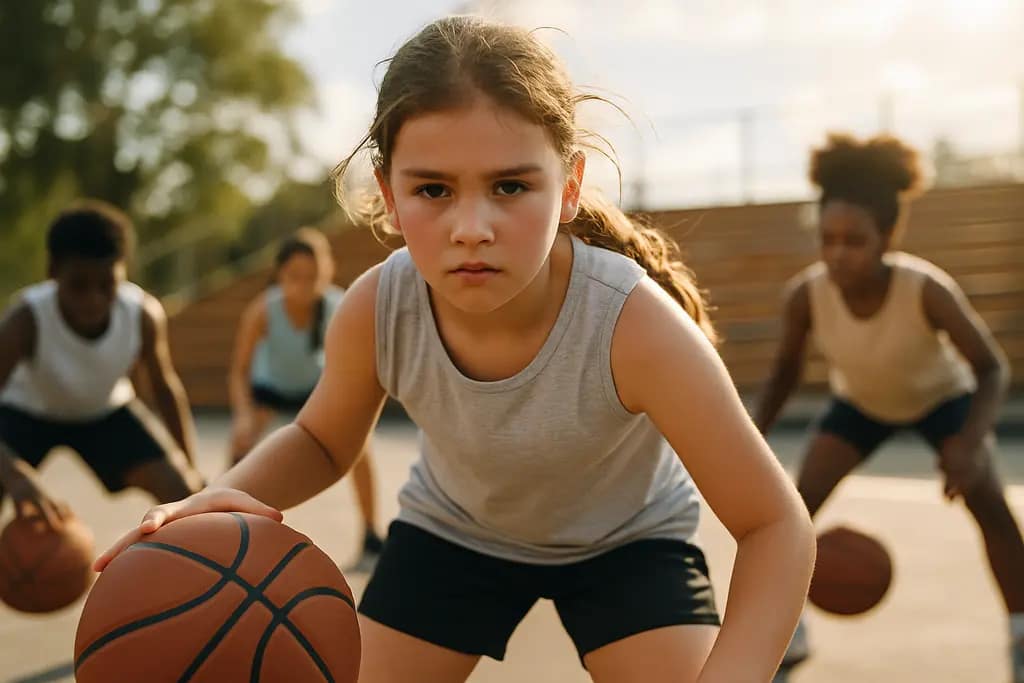
AOG TPT Basketball Camp in Dallas showed how a basketball event can serve young athletes beyond the box score. The AOG × TPT Texas High Academic Camp took place on August 29-30, 2026, and was reported on August 31, 2026, as a concluded event limited to 100 student-athletes in grades 8-12, with competition on two full courts and exposure to college coaches and scouts from numerous college programs Texas High Academic Camp report.
That structure matters for families, coaches, and schools because it connected three parts of youth development: skill work, academic identity, and recruiting visibility. The available public reports did not publish demographic, fee, scholarship, or neighborhood access data, so it would be unfair to claim the camp reached every community equally. Still, the model offered a useful example of inclusion in sports: players were evaluated not only for how they played, but also for how school performance fit their future opportunities.
The AOG TPT Basketball Camp Model
Why AOG TPT Basketball Camp Matters For Exposure
For many student-athletes, visibility can be uneven. Some players come from well-known school programs, while others may need a setting where scouts and college coaches can see them compete side by side with similar academic-minded prospects. The camp’s reported cap of 100 student-athletes helped create a setting where players were not lost in a huge field. That size, paired with two full courts, likely helped evaluators spend more time watching each group, though the public reporting does not provide exact minutes, rosters, or coach-by-coach evaluation notes.
The AOG TPT Basketball Camp also stood out because it blended media coverage, scouting, and player evaluation. That mix can support young athletes who are still learning how to present themselves as full students, teammates, and competitors. Exposure is not only about highlight plays. It can also include communication, effort after mistakes, defensive effort, body language, and how a player responds to coaching. Those habits often shape how coaches view readiness for the next level.
Two Courts, Smaller Field, Clearer Evaluation
A smaller camp does not guarantee a recruiting result. It can, however, create a better chance for repeated observation. In a youth sports setting, repeated observation matters because one good stretch or one poor shooting half should not define a teenager’s full ability. A two-court format can give players room to compete while allowing coaches, media, and scouts to compare guards, wings, and posts in live action.
For families in Dallas and across Texas, that kind of event can reduce some of the confusion around exposure. Rather than treating recruiting as a mystery, camps like this can show young athletes what evaluators notice. A player may leave with a stronger sense of how pace, shot selection, passing reads, and defensive discipline fit together. That lesson has value even for those who do not leave with immediate college interest.
Inclusion Through Academics And Basketball
Grades As Part Of The Player Story
One of the most meaningful parts of the high academic camp model is that grades were treated as part of the athlete’s profile. Prep Hoops reported in June 2025 that AOG Summer High Academic Camps drew athletes who “not only have game, but also the grades,” with coverage focused on 2026 guards at the event Prep Hoops camp coverage. That framing helps students understand that academic habits can sit next to athletic goals, not behind them.
Inclusion in youth basketball should not mean lowering standards. It should mean broadening the ways young people can be seen. A prospect who is a strong student, a willing passer, a steady defender, or a coachable teammate deserves a setting where those strengths can be noticed. By linking academics and basketball, the camp gave players a clearer reason to stay engaged in school while working on the sport they love.
What Inclusion Can Mean Without Overclaiming
Because public reporting did not provide access data, it is best to speak carefully about inclusion. A camp limited to 100 players is selective by design. That selection can help with evaluation quality, but it does not automatically solve barriers tied to travel, cost, school awareness, or family schedule pressure. Community sports programs should be honest about that tension.
Even with those limits, the concept behind the camp points in a hopeful direction. When academic performance is part of the evaluation, a young athlete gets a stronger message: school is not separate from basketball development. That message can support coaches who want players to take class attendance, study habits, and conduct seriously. It can also encourage parents and teachers to see sports as a partner in youth growth rather than a distraction from learning.
Youth Development Beyond The Scoreboard
Coachability, Confidence, And School Habits
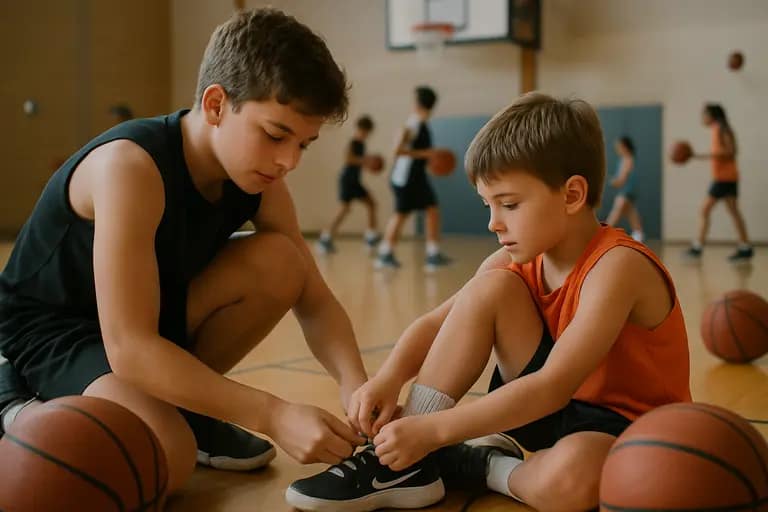
Youth basketball camps can build confidence when they give players a chance to compete, receive feedback, and measure themselves against strong peers. At the Dallas camp, the presence of college coaches and scouts gave the competition a real evaluation feel. For a young athlete, that setting can be challenging, but it can also teach poise. Players learn to keep working after missed shots, communicate on defense, run the floor with purpose, and stay engaged from one possession to the next.
Those lessons connect directly with school habits. A student who learns to handle feedback in a gym may be more willing to accept feedback in a classroom. A player who learns that preparation shows up in competition may better understand why homework, film study, and practice attendance all matter. The best youth sports spaces help teenagers see that effort is not a switch they flip for game day. It is a daily pattern.
Community Pride Around Dallas Hoops
Dallas basketball has a strong youth pipeline, and events like this can help local schools, families, and club programs see academics as part of that identity. When a camp brings together players in grades 8-12, younger athletes can watch older prospects model the habits needed for high school success. Older players, in turn, can feel the responsibility of setting the tone for the next group.
For readers following how academic exposure events can support local student-athletes, our related coverage on how the Texas High Academic Camp linked hoops and class looks at the same connection between basketball skill, school focus, and community pride. That connection is where sports can have lasting value. A well-run camp can send players back to their teams with new goals, and it can send families back to their schools with a clearer view of how athletics and academics can work together.
What AOG TPT Basketball Camp Means For Young Athletes
The success of the AOG TPT Basketball Camp should be understood as more than a weekend of competition. Based on the available reporting, its strongest contribution was the way it placed academic-minded players in a focused basketball setting with scouting attention, media coverage, and college exposure. That combination can help student-athletes see a larger picture of what their work can become.
For coaches, the lesson is practical: create environments where effort, grades, communication, and skill are all visible. For families, the lesson is encouraging: basketball can support growth when it is tied to school expectations and steady mentorship. For communities, the lesson is clear: young athletes benefit when sports programs treat them as whole people, not just stat lines.
The camp has also shown why careful language matters. Public reports support the event’s size, dates, academic focus, and exposure setting, but they do not prove every form of access or inclusion. The next step for any program using this model is to keep widening the door while protecting the quality of competition and evaluation. If that balance holds, academically focused basketball events can help more young athletes build confidence, stay connected to school, and take pride in representing their teams, families, and communities.