
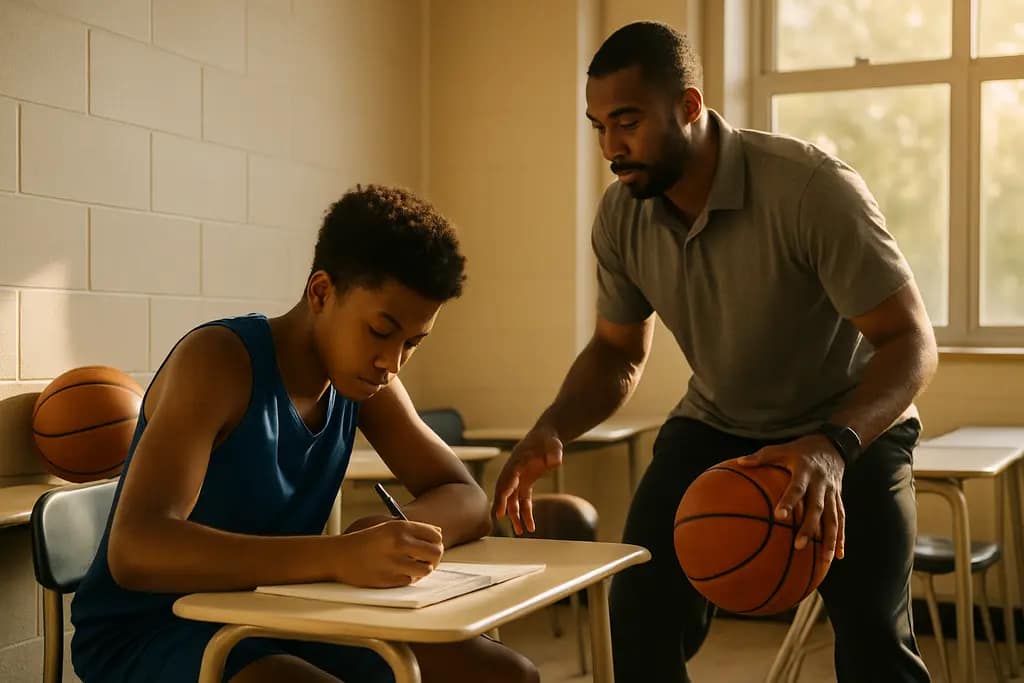
Texas High Academic Camp gave Dallas-area student-athletes a clear message in late August 2026: the strongest youth basketball pathways can value classroom effort and court growth at the same time. The camp, held at Parish Episcopal School – Addison, was limited to 100 student-athletes in grades 8–12, according to The Players Tríbe camp report. That smaller size matters because it frames basketball not as a stand-alone showcase, but as part of a wider student-development model.
For families, coaches, and school communities, that model is worth studying. A camp that brings together competition, academic expectations, scouts, media, and college attention can help young athletes practice self-presentation as much as shooting, defending, and decision-making. It also gives local adults a way to talk with students about grades, habits, communication, and long-term fit, not just highlight clips. The camp had already concluded successfully by August 31, 2026, so the lessons now sit in the recap: what worked, why it worked, and how other programs can learn from it.
How Texas High Academic Camp Blended Court And Classroom
Texas High Academic Camp Selection Signals
The event was built for academically driven prospects, not for a general open gym feel. The AOG x TPT model limited participation to 8th-through-12th graders who met internal academic criteria, though a specific GPA cutoff was not publicly shared. That detail helps families understand the tone of the camp. The “high academic” label was tied to academic performance or promise, which can encourage young athletes to treat study habits as part of their player profile.
For community sports leaders, that structure carries a healthy message. If a student knows that grades, effort, and preparation affect access to certain basketball settings, schoolwork becomes part of training. A coach can point to this type of model and say, “Your transcript and your attitude are part of your development.” That is a powerful shift for middle school and high school athletes who may be learning how daily choices affect future opportunities.
A Small Camp With Bigger Feedback Potential
The 100-participant cap also shaped the experience. A smaller group can support more direct instruction and more balanced attention between athletic evaluation and academic context. The available reporting says the size tended to create a favorable student-to-coach ratio, allowing more individualized feedback. That matters for youth development because young players often need specific, caring correction: where their footwork breaks down, how they respond to pressure, or how clearly they communicate with teammates.
That kind of feedback can reach beyond basketball. A student who learns to receive coaching after a turnover may also become more open to guidance in the classroom. A student who learns to introduce himself to scouts or media with confidence may carry that skill into a college interview or a meeting with a teacher. The best youth sports spaces help students practice those moments before the stakes feel too heavy.
Why Academics Changed The Camp Experience
Recruiting Value Beyond The Box Score
The August 2026 edition drew college programs, media outlets, and regional scouts, giving participants visibility beyond gameplay; the same report said Athlete AI powered the camp and that organizers planned the 8th annual event for August 2027, slightly earlier than the 2026 edition per the event recap. Those facts show why the academic layer was not a side note. College conversations often include fit, maturity, and readiness, not only athletic tools.
For a student-athlete, that environment can be both exciting and grounding. Competing in front of evaluators is helpful, but so is understanding how to carry yourself between games, how to speak about your goals, and how to show that school performance matters. The camp served dual outcomes: boosting athletic profiles and enhancing college readiness, especially for colleges that weigh scholastics in recruitment.
Soft Skills Built Through Exposure
Prior camps have included structured sessions that combined technical skill drills, competitive games, team-building, and academic conversations or briefings, including sessions involving media and scouts. Those pieces can support soft-skill growth, especially communication and self-presentation. In a youth sports setting, that is not extra decoration. It is preparation for the real pace of high school, recruiting, and college life.
Players are asked to compete, listen, reset, talk with adults, and represent their schools and families. Those are community skills. They teach young people how to be accountable in public spaces and how to build trust. For parents and coaches who want a deeper sports model, the same spirit connects with broader conversations about sports camps teaching leadership and character, where athletic settings become places to practice responsibility.
Community Lessons From A Dallas Basketball Model
What Schools And Families Can Take From The Format
The Dallas setting gave this camp a local identity. Parish Episcopal School – Addison became more than a gym address; it became the site of a student-athlete gathering built around both basketball and education. For North Texas families, that matters because access to strong youth sports experiences often depends on knowing which programs value the whole student. A model like this can help parents ask better questions before choosing camps.
- Does the camp explain how academics factor into participation or evaluation?
- Are athletes placed in settings where coaches can give direct feedback?
- Do players practice communication with adults, scouts, or media?
- Is competition paired with team-building and readiness habits?
- Does the camp help students think about college fit, not only exposure?
These questions keep the focus on youth growth. They also remind community leaders that a sports program can raise expectations without shutting out encouragement. Young athletes need adults who believe they can work hard in class, improve on the court, and carry themselves with respect.
Why Limited Enrollment Can Support Development
Large events can create energy, but smaller programs can create clearer teaching moments. Because this camp was limited to 100 student-athletes, it gave organizers room to balance instruction, evaluation, competition, and academic messaging. That does not guarantee every athlete receives the same outcome, and the public reporting does not provide individual player results. Still, the structure points toward a thoughtful approach: fewer participants, clearer purpose, and more space for feedback.
That is a helpful lesson for community groups that do not have large budgets. Bigger is not always better for youth development. A local school gym, a committed coaching staff, and a clear academic standard can create meaningful growth when the program is planned around student needs. The heart of the idea is simple: young athletes should be seen as students first, competitors second, and future community members always.
Why Texas High Academic Camp Matters For Youth Development
The lasting value of Texas High Academic Camp is not only that it brought college programs, media, and scouts into one basketball setting. Its deeper value is that it connected those eyes with students who had already been asked to show academic promise. That message can ripple through teams and families. A ninth grader may hear about the camp and decide to take classroom routines more seriously. A coach may use the model to remind players that eligibility, preparation, and character shape opportunity.
As organizers plan the 8th annual event for August 2027, the 2026 recap offers a hopeful template for youth basketball in Texas. Strong camps can serve players, support families, and reinforce school priorities. They can make gym time feel connected to report cards, college conversations, and community pride. When sports programs honor both education and effort, young people receive a better kind of exposure: the chance to be recognized as whole students with goals worth supporting.