
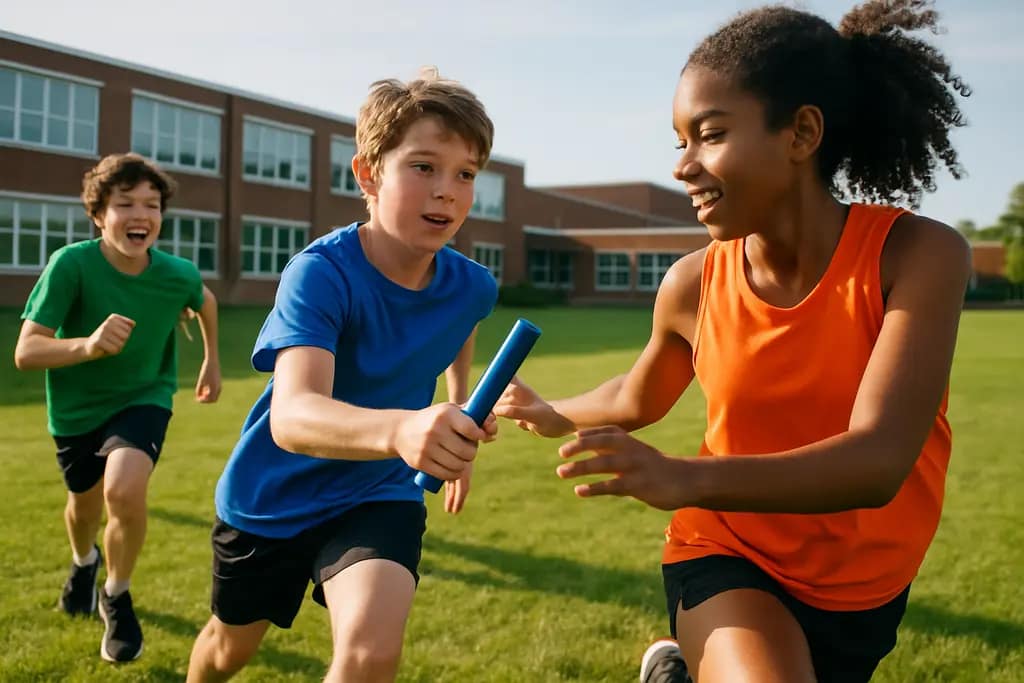
After-School Sports and STEM programs can give Longview students a steady place to practice teamwork, problem-solving, communication, and school connection after the final bell. The research supplied for this article does not identify whether the Longview in question is in Texas, Washington, or another state, so this analysis does not make local outcome claims. Instead, it uses national and program-study evidence to show how a Longview community could shape an inclusive after-school model around sports, STEM, youth development, and family trust.
That distinction matters. A strong program model is not only a schedule of activities. It is a local agreement among schools, coaches, families, volunteers, and community partners about what young people should experience between dismissal and dinner. For many students, that time can be where confidence is built, friendships are formed, and school begins to feel more connected to daily life.
How After-School Sports And STEM Fit Longview
After-School Sports As The Daily Anchor
After-School Sports give young people an immediate structure they understand: show up, warm up, listen, practice, compete respectfully, cool down, and return tomorrow. That rhythm can be especially helpful for middle school students who are building independence but still need dependable adult guidance. A coach can set expectations in a way that feels active and relational rather than lecture-based.
In a Longview program model, sports can serve as the welcoming front door. Basketball, soccer, volleyball, flag football, track activities, and fitness stations all offer entry points for students with different abilities and confidence levels. The goal should not be to copy a school varsity system in miniature. The better fit is a development-first model where effort, attendance, peer support, and coachability matter as much as scoring.
For Longview, After-School Sports can also support community identity. Families who might not attend every school meeting may still come for a scrimmage, skills night, or student showcase. That opens space for staff to build trust with caregivers in a setting that feels positive and familiar. For a related local-impact angle, Youth Rise has also covered how community sports shape youth leadership in places where structured opportunities can be harder to reach.
STEM Time That Builds Team Habits
STEM can fit naturally beside sports when it is active, social, and hands-on. Students might measure sprint times, compare shooting angles, design a simple water-bottle rocket, build a bridge model, or use basic data to study how practice changes performance. These activities keep the spirit of play while introducing math, science, engineering, and technology in a way students can feel.
The strongest sports-and-STEM schedule would avoid making students choose between movement and learning. A student who spends 35 minutes in soccer stations can then spend 35 minutes designing a team challenge, analyzing a simple performance chart, or solving a build task with the same peers. That pairing tells students that athletic skill and academic curiosity belong in the same after-school culture.
What The Evidence Says About Access
National Access Gaps Shape Local Planning
Access is the first program-design question. In the 2024–25 school year, 85% of U.S. public K–12 schools offered after-school programs, and 60% offered academically focused programs, according to the National Center for Education Statistics NCES after-school data. That finding shows that after-school programming is common, but it does not mean every student has a seat, transportation, or a schedule that works for their family.
The same NCES release reported that only 42% of schools offering academically focused after-school programs said they could serve all students who wanted to participate, while an estimated 13% of public school students nationwide participated in those academically focused programs during the school year NCES participation findings. For Longview leaders, that points to a practical challenge: interest may be larger than available staffing, space, equipment, and transportation.
Those access questions are not side issues. They decide which students benefit. If a program is first-come, first-served, students with the most flexible family schedules may get in first. If transportation is not part of the plan, students who live farther from campus may be left out. If activities are too competitive too soon, beginners may leave before they feel a sense of belonging.
Participation Time Matters
Program time also deserves attention. A study using 2025 data from Michigan’s 21st Century Community Learning Centers found that more hours in leisure or nonacademic after-school activities correlated with better math grades for seventh- and eighth-grade students, while academic activities alone did not show the same correlation 21st CCLC study. This finding does not prove that every sports or enrichment hour raises grades. It does suggest that well-structured activity time may support school outcomes in ways that are not limited to homework help.
For a Longview model, the lesson is balance. Students may need academic support, but they also need movement, friendship, play, coaching, and chances to lead. A program that treats sports as a reward only after academics may miss the point. Physical activity and team belonging can be part of the learning environment itself.
Designing A Balanced Program Model
Build Around Inclusion Before Competition
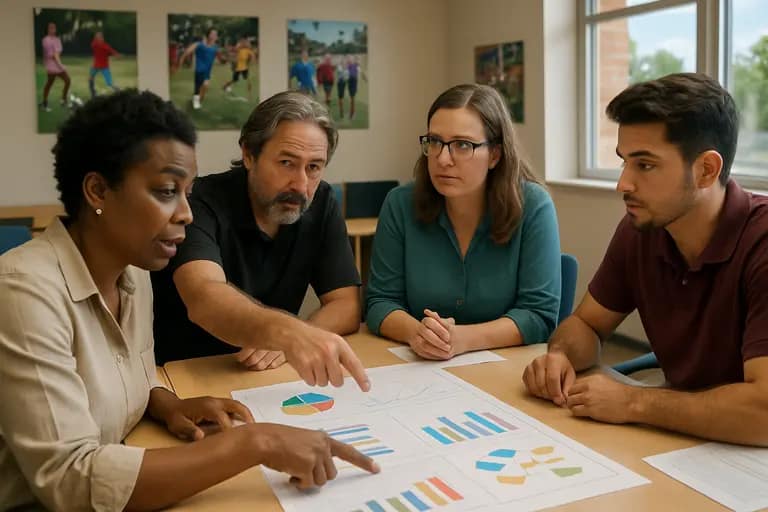
A community program should define success before the first practice starts. If the mission is youth development, the scoreboard cannot be the only measure. Coaches and staff can track attendance, participation, respectful communication, willingness to try new tasks, and student leadership. Those markers help adults see growth in students who may not be the fastest runner, strongest shooter, or most confident speaker.
Inclusion should show up in small choices. Equipment should match different ages and ability levels. Teams should rotate so students learn to work with many peers. Rules can be modified for safety and skill-building. Students who are not ready for full competition can take roles as scorekeepers, peer captains, warmup leaders, or STEM challenge builders.
Use Sports To Make STEM Feel Local
STEM becomes more inviting when students can connect it to what they already care about. A coach might ask students to compare how different passing angles affect accuracy. A staff member might guide students through a simple chart showing practice attempts over several weeks. A small group might design a safer cone layout for a crowded gym. These are not advanced labs, but they are real problem-solving tasks.
This approach is especially useful for students who do not yet see themselves as science or math learners. Sports can lower the barrier by starting with movement, observation, and teamwork. STEM then becomes a tool for answering questions: Why did that shot miss? How can a relay team save time? What design keeps a paper tower standing longer?
- Start with belonging: greet students by name, set team norms, and create mixed-skill groups.
- Pair movement with inquiry: connect drills to measurement, design, observation, or reflection.
- Protect access: plan for transportation, beginner-friendly activities, and clear family communication.
- Measure growth: watch for attendance, confidence, teamwork, and school connection, not only wins.
A balanced model can also support school climate. Students who feel known by coaches and after-school staff may have more adults to turn to during the school day. Teachers may see different strengths in students who lead a warmup, solve a design problem, or encourage a teammate. Families may see school as a place where their child is welcomed beyond grades and discipline.
Why Longview After-School Sports And STEM Matter
Longview does not need a one-size program to connect sports, STEM, and youth development. It needs a model that fits local students, available facilities, family schedules, and trusted community partners. The national evidence shows that after-school programs are widely offered, yet capacity can fall short of student interest. The Michigan study also points to the value of nonacademic activity time as part of a wider support system for learning.
The opportunity is clear: build a program where young people can run, build, test, lead, recover from mistakes, and return the next day with a stronger sense of belonging. If Longview leaders keep access, inclusion, and youth voice at the center, after-school time can become more than child care or extra practice. It can become a shared community investment in confident students, connected families, and schools that feel open after the final bell.