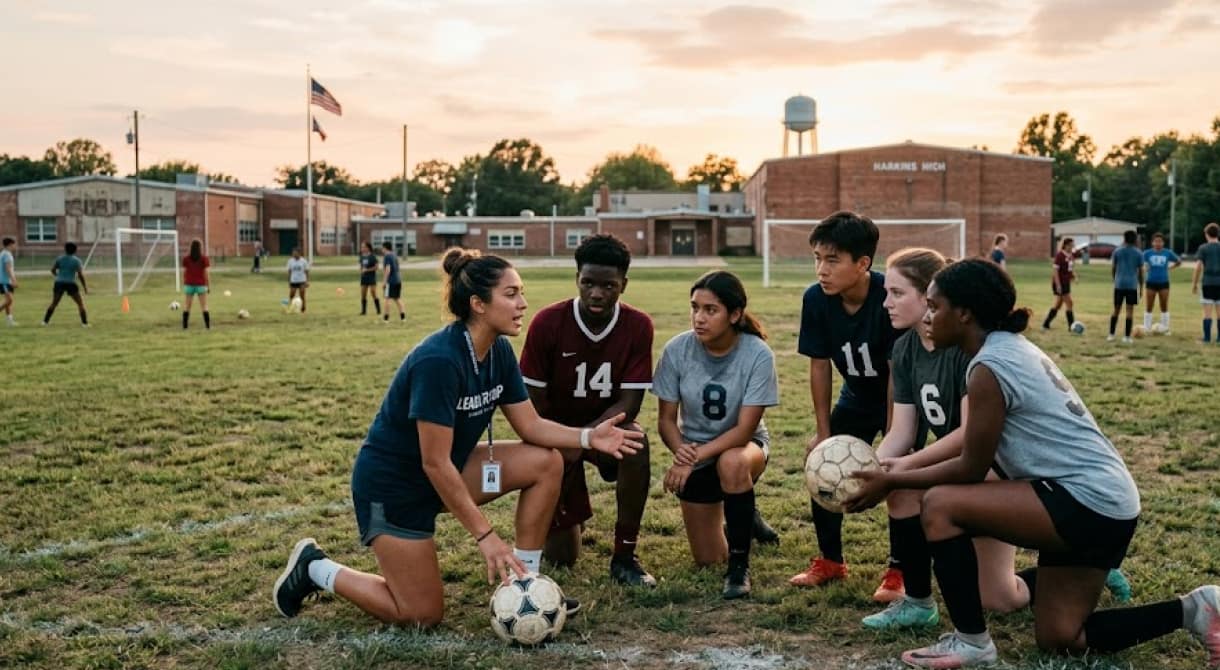
Across many parts of the United States, community sports programs continue to serve as one of the most consistent entry points into youth leadership development. In areas where access to structured extracurricular opportunities is limited, local initiatives led by schools, nonprofits, and athletes help bridge gaps that extend beyond athletics. These programs often become early environments where young people learn accountability, teamwork, and communication through real participation rather than instruction alone.
Recent growth in youth development initiatives connected to organizations such as the U.S. Soccer Foundation and the Boys & Girls Clubs of America reflects a broader national focus on expanding access to structured sports environments. These organizations report continued investment in programs that prioritize both physical activity and social development, particularly in communities where recreational infrastructure remains limited.
At the center of this movement is a shift in how sports participation is viewed. It is no longer limited to competition or performance outcomes. Instead, it functions as a structured pathway for personal development, especially for students who may not otherwise have access to leadership training environments outside school.
Expanding Access Through Local and Regional Sports Initiatives
Access remains one of the strongest predictors of youth participation in sports programs. In many rural and underserved communities, distance, transportation, and facility limitations reduce opportunities for consistent engagement. Community-based sports programs have responded by building localized training environments that reduce these barriers.
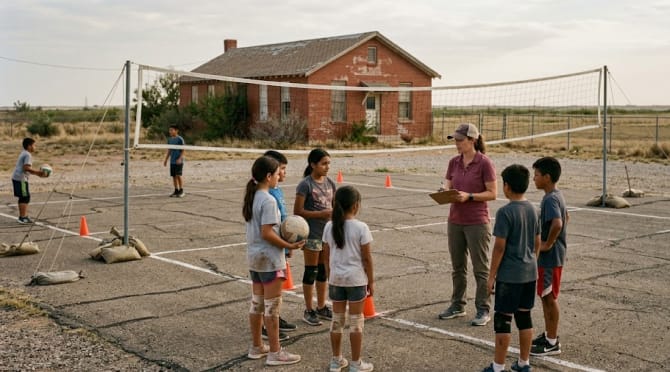
Organizations such as the Aspen Institute Project Play have documented how youth sports participation in the United States has become increasingly uneven, with cost and access challenges limiting consistent involvement for many families. Their research highlights that children in lower-income households are significantly less likely to participate in organized sports compared to their higher-income peers.
These disparities have encouraged schools, local governments, and nonprofit groups to invest in mobile clinics, seasonal camps, and school-based athletic programs that bring structured sports experiences directly into communities.
Youth sports development initiatives across Texas reflect this approach by emphasizing participation over specialization, giving students exposure to multiple sports and leadership roles within team environments.
Athlete-Led Programs and the Mentorship Effect
A growing number of youth sports initiatives are now led or supported by current and former athletes. These programs introduce participants to mentorship relationships that extend beyond coaching instruction. Athletes often bring lived experience that connects discipline, academic expectations, and personal growth into a single narrative that resonates with young participants.
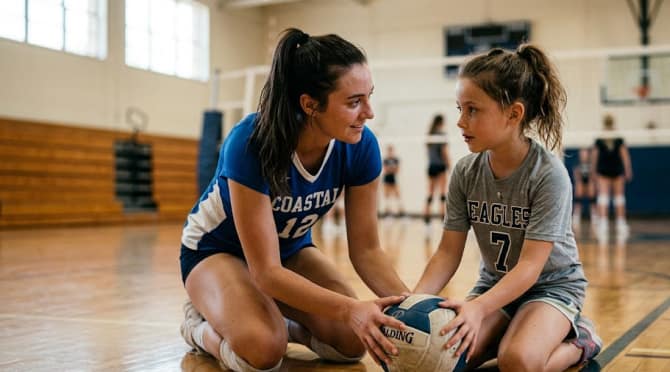
Research from the Positive Coaching Alliance has shown that youth athletes benefit significantly from environments where mentors emphasize effort, resilience, and teamwork rather than performance outcomes alone. Programs that integrate athlete mentors often report stronger engagement and higher retention rates among participants.
In practice, athlete-led programs typically include:
- Skills training combined with leadership discussions
- Team-based activities that require communication and decision-making
- Mentorship sessions focused on goal setting and academic planning
These structures allow young athletes to see leadership as a set of behaviors rather than a title. Small actions such as supporting teammates, arriving prepared, or encouraging others during setbacks become foundational learning experiences.
More information on structured youth development models can be found through the Aspen Institute Sports & Society Program, which continues to study the long-term impact of sports participation on education and community engagement.
Building Confidence Through Responsibility and Participation
One of the most consistent outcomes observed in community sports programs is the development of confidence through responsibility. When young participants are given roles within a team environment—whether organizing drills, leading warmups, or supporting younger players—they begin to associate responsibility with trust and contribution.
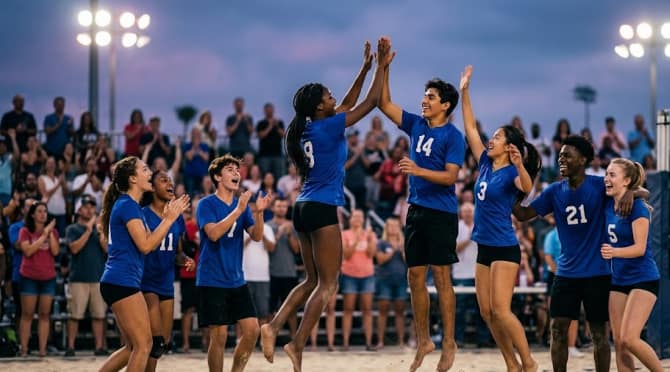
This process is particularly important in communities where leadership opportunities outside sports may be limited. Sports environments offer structured repetition, where participants are encouraged to take initiative and learn from both success and failure in real time.
| Activity Type | Youth Development Outcome |
|---|---|
| Team drills | Communication and coordination |
| Peer mentoring | Leadership and accountability |
| Game scenarios | Decision-making under pressure |
| Group training | Cooperation and trust-building |
These experiences build a foundation that extends beyond athletics. Students who participate in structured sports programs often report stronger communication skills in academic settings and increased confidence when engaging in group projects or public speaking.
The Role of Schools and Community Partnerships
Schools continue to play a central role in connecting students with sports-based development opportunities. In many districts, partnerships with nonprofit organizations and local athletic programs help expand access to coaching, facilities, and structured training environments.
According to the Centers for Disease Control and Prevention (CDC), regular participation in physical activity among youth is associated with improved mental health, better academic performance, and increased social engagement. These findings support the integration of sports programs into broader youth development strategies rather than treating them as extracurricular activities alone.
Community partnerships often extend beyond athletics into academic support and wellness programming. Some programs include tutoring sessions, nutrition education, and mentorship workshops alongside sports training.
More information on youth physical activity and health outcomes can be found at the CDC Youth Physical Activity guidelines.
Leadership Development Through Team Environments
Team sports remain one of the most effective environments for developing leadership skills in young people. Unlike individual activities, team-based sports require constant communication, shared responsibility, and adaptability.
Leadership in this context is not limited to formal roles. It appears in everyday interactions, such as encouraging teammates, adjusting strategies during gameplay, and maintaining focus during setbacks. These repeated experiences help students develop emotional regulation and problem-solving skills.
Athlete-led community programs reinforce this structure by creating environments where leadership is practiced continuously rather than introduced as a concept. Coaches and mentors often emphasize reflection after activities, allowing participants to connect actions with outcomes.
This model supports long-term development that extends into school environments and future workplaces, where collaboration and communication remain essential skills.
Sustaining Impact Beyond Seasonal Programs
Many community sports programs operate seasonally, yet their impact often extends well beyond the duration of training sessions or camps. Participants frequently carry forward the habits, communication styles, and confidence developed during these programs into academic and social settings.
Sustained impact depends on consistency and reinforcement. Programs that maintain ongoing contact with participants through alumni networks, school partnerships, or recurring events tend to produce stronger long-term outcomes.
The growing presence of athlete-led initiatives in underserved communities continues to reinforce the importance of access, mentorship, and structured participation. These programs demonstrate that leadership development can occur naturally within sports environments when young people are given consistent opportunities to engage, contribute, and grow.