
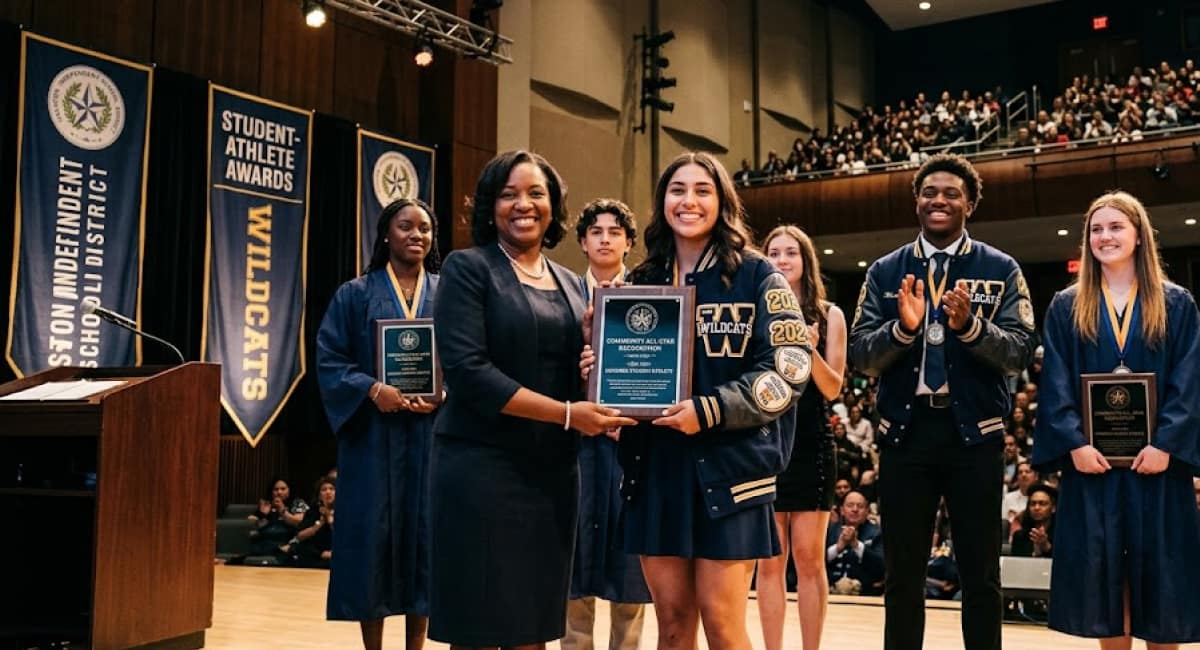
The Houston Chronicle Community All-Star Award continues to spotlight student-athletes whose influence extends far beyond competition. The 2025–26 honorees, Bradon Douglas of Royal High School and Kayli Heine of West Fork High School, represent a generation of students shaping their schools and communities through service, inclusion, and leadership. Their recognition reflects a broader emphasis across Houston-area athletics on character development alongside performance on the field.
The award program was established to recognize student-athletes who demonstrate consistent commitment to community service, mentorship, and positive influence within their schools. It highlights individuals who balance academic responsibilities and athletics while contributing meaningfully to local initiatives that support youth development and inclusion.
Community Recognition in Houston High School Athletics
Houston high school sports remain a central part of community identity, with programs often serving as training grounds for leadership as much as athletic competition. The Community All-Star Award reflects this dual purpose by focusing on students who model accountability, teamwork, and service.
Rather than focusing solely on athletic statistics, the recognition centers on real-world engagement—volunteer work, mentorship programs, and leadership roles within school communities. The selection of Bradon Douglas and Kayli Heine reinforces the value placed on student contributions outside of competition.
Organizations like the Positive Coaching Alliance continue to promote similar values across youth sports nationally, emphasizing character development as a key outcome of athletic participation. These frameworks align closely with the goals reflected in the Houston Chronicle’s award program.
Kayli Heine and the Role of Inclusion in School Athletics
Kayli Heine’s leadership at West Fork High School centers on inclusion through athletics. She founded FIGS (Friends In Gator Sports), a student-led initiative connecting athletes with students in the ASPIRE special education program. The initiative creates monthly sports activities that allow students with intellectual and developmental disabilities to participate in structured, supportive athletic environments.
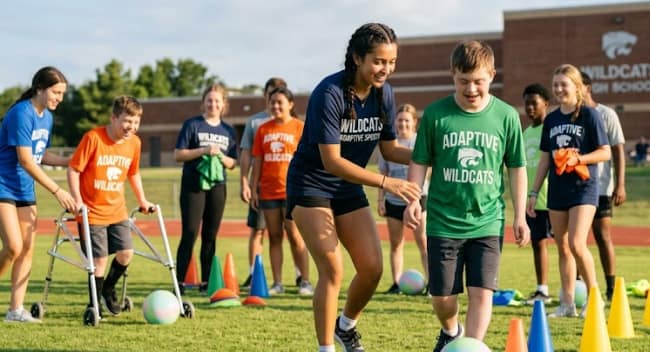
Heine’s work reflects a growing national emphasis on inclusive education and adaptive programming in schools. Programs like hers align with research from the U.S. Department of Education that highlights the importance of equitable access to extracurricular activities for students with disabilities.
Her stated goal of pursuing a career in education connects her current leadership experience with long-term professional development. At West Fork, FIGS has become a structured example of how student leadership can directly shape school culture through peer engagement and accessibility-focused programming.
Bradon Douglas and Service-Driven Leadership
Bradon Douglas of Royal High School represents a different but equally impactful model of student leadership. His involvement with the Boys & Girls Club Keystone Club places him in a national framework designed to develop leadership, career readiness, and community service skills among young people.
Douglas also contributes as a youth sports referee, participates in food distribution efforts, and supports anti-bullying and senior outreach programs. These activities reflect a sustained commitment to community engagement that extends across multiple service areas.
| Service Area | Community Impact |
|---|---|
| Youth mentoring | Builds leadership among younger students |
| Food distribution | Supports local families facing food insecurity |
| Anti-bullying initiatives | Strengthens school climate and safety |
| Senior outreach | Connects generations through service |
His participation in multiple varsity sports and academic programs adds another layer to his profile, demonstrating how structured school environments can support balanced development across athletics, academics, and civic responsibility.
For additional context on how school programs shape leadership pathways, Youth Rise Texas has explored similar student development frameworks in its coverage of youth leadership initiatives.
The Broader Role of Community-Based Youth Programs
Student leadership highlighted by the Houston Chronicle award is often supported by national organizations that structure youth engagement around service and mentorship. Programs such as the Boys & Girls Clubs of America provide foundational models for leadership development, emphasizing responsibility, teamwork, and community involvement.
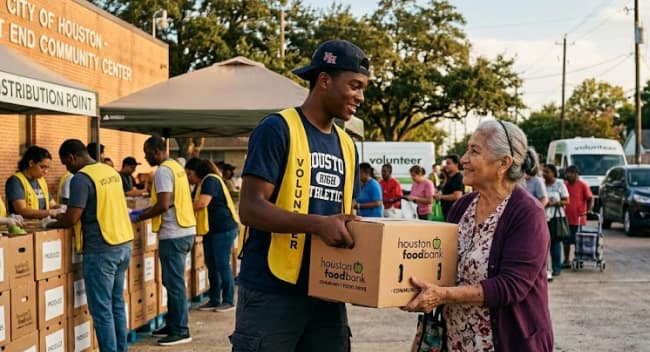
Research from these organizations consistently shows that students involved in structured service programs demonstrate stronger communication skills and higher levels of civic participation later in life. The recognition of student-athletes like Douglas and Heine reflects how these outcomes are already visible at the high school level.
Academic institutions also play a central role in supporting these pathways. Schools that integrate leadership programs into athletics and extracurricular systems create environments where students can apply classroom learning to real community challenges.
Athletics as a Platform for Civic Engagement
High school athletics in Houston often serve as a bridge between education and civic participation. Student-athletes regularly engage in volunteer work, mentorship, and leadership initiatives that extend the influence of school programs into the wider community.
The Community All-Star Award underscores this relationship by recognizing students who use their athletic platforms to support broader social goals. Rather than separating sports and service, the award highlights how both can operate together to shape well-rounded student development.
National youth sports initiatives, including those supported by Project Play, reinforce the idea that sports participation is closely linked to long-term personal development, especially when combined with structured community engagement.
Recognition and Its Impact on Future Student Leaders
Recognition programs like the Houston Chronicle Community All-Star Award play a role in shaping how students perceive leadership. By highlighting service-oriented achievements alongside athletic performance, the award encourages schools and communities to value broader definitions of success.
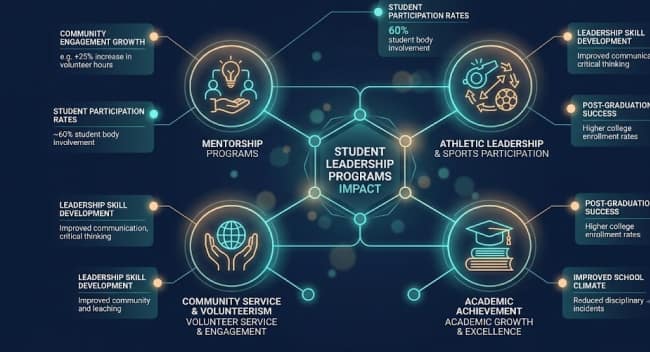
For students across the Houston region, these examples create visible pathways for involvement. Whether through inclusion programs like FIGS or mentorship initiatives like Keystone Club, student-athletes see how their actions outside competition can carry lasting influence.
The presence of programs like these also reinforces a cultural shift within school athletics, where leadership is increasingly measured through community engagement and peer support rather than performance alone.
The recognition of Bradon Douglas and Kayli Heine reflects that shift clearly, showing how student leadership continues to grow through structured programs, supportive school environments, and community-driven initiatives that extend well beyond the playing field.