
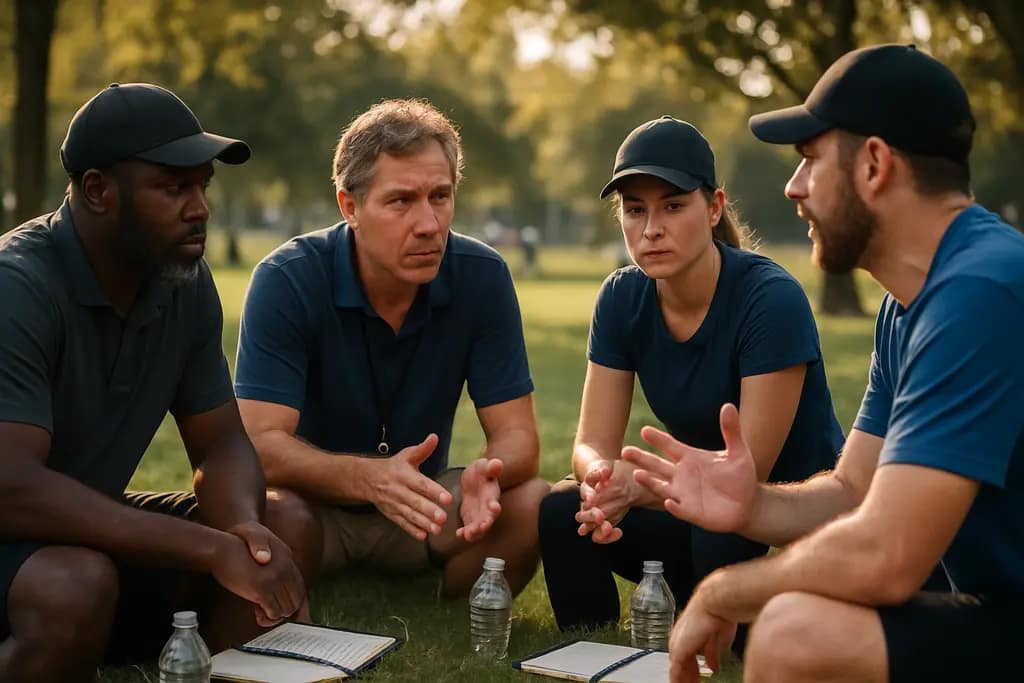
Coach mental health stood out as a key youth sports topic at the 94th Annual Texas High School Coaches Association Convention, held in Houston on July 24, 2026. Research notes from the event reported more than 17,000 coaches and athletes in attendance, with budget pressure, mental health, and extreme heat among the issues discussed. For school teams across Texas, that mix matters. A coach may plan practices, manage roster depth, teach skills, and set the tone on game day, but young athletes also look to that adult for steadiness when stress shows up.
The convention’s focus reflected a larger shift in high school sports: athlete well-being is becoming part of the job description for adults who lead teams. That does not mean coaches should act as therapists. It means they can learn how to notice warning signs, build team cultures where players feel safe speaking up, and connect students with trained school or health professionals. In youth development terms, that is where sports become more than a schedule of games. They become a daily setting for belonging, accountability, and care.
Coach Mental Health Lessons From The Texas Convention
Coach Mental Health Starts With Trust
The strongest message from the Texas gathering was simple: coach mental health support starts before a crisis. Players are more likely to speak honestly when coaches build trust through ordinary routines: greeting athletes by name, asking how school is going, watching for changes in energy, and making rest part of performance talk. In Texas high school programs, where football, volleyball, basketball, soccer, track, baseball, softball, and other sports can shape school identity, those small habits ripple through the locker room and the hallway.
Research notes from the convention also pointed to Dell Children’s Ascension as a partner providing health, safety, and wellness resources for coaches. That type of medical partnership can help schools avoid leaving each coach to figure things out alone. It can also support continuing education on topics such as mental health, rehabilitation, sleep, and performance. For local communities, this matters because a trained coach can be an early connector between a student, a parent or guardian, an athletic trainer, a counselor, and campus leadership.
What The Convention Signals For School Teams
The 2026 convention took place after the 2025 THSCA Convention and Coaching School agenda had already included mental performance topics such as sleep and performance, mental performance education, and sessions led by clinical specialists. Taken together, these convention themes show that Texas coaches are being asked to think about the whole athlete. That includes preparation, recovery, pressure, injury response, team belonging, and when to refer concerns to qualified professionals.
That approach fits the everyday pace of school sports. A ninth-grade athlete may be learning how to manage a first varsity practice. A senior captain may feel pressure to earn playing time, pass classes, and support younger teammates. A player returning from injury may need encouragement without being rushed. Coaches who understand the link between stress, recovery, and performance can create practice plans that teach discipline while still protecting student dignity.
National Training Gaps That Affect Local Athletes
Why Coach Mental Health Training Still Varies
National data show why coach mental health training cannot depend only on personal interest. A 2024 policy brief found that only eight U.S. states required mental health training for high school coaches as part of state athletic association coaching requirements; five required the NFHS Student Mental Health and Suicide Prevention Course, while three allowed that course or an equivalent 2024 coaching policy brief. The same brief reported that 67% of states still required only foundational coaching education standards such as fundamentals of coaching, First Aid/CPR, and concussion safety.
That gap is not a criticism of coaches. Most coaches already carry heavy workloads: practice planning, travel, equipment, parent communication, classroom duties, scouting, and game-day operations. The gap shows that systems need to support coaches with clear training, shared language, and referral pathways. If one campus has strong mental health education and another does not, student-athletes may receive very different levels of support even while facing similar pressures.
Coaches Are Asking For More Tools
There is also encouraging news. Recent research reported that, as of 2025, nine states had passed laws requiring mental health or suicide prevention training for coaches, and a U.S. National Coach Survey from 2022 found that 67% of coaches were interested in more training related to athlete mental health and mental performance skills coach training analysis. That interest should be seen as a strength in the youth sports community. Coaches want tools that help them respond with confidence rather than silence or guesswork.
For Texas schools, the practical question is not whether mental health belongs in sports. The practical question is how to make training useful during a busy season. Coaches benefit from short, clear protocols: what to say if an athlete seems withdrawn, who to contact on campus, how to document concerns under district rules, how to include families when appropriate, and how to keep team culture supportive without asking players to share more than they want to share.
How Coaches Turn Training Into Team Culture
Daily Habits That Protect Belonging
Training has the most value when it changes team habits. A coach can set expectations that effort matters, mistakes are part of learning, and asking for help is not weakness. Those messages support player development because young athletes learn how to handle pressure without feeling alone. They also help teams compete with more trust. Players who feel known by adults may be more willing to report pain, fatigue, stress, or conflict before those concerns grow.
Simple team systems can help coaches keep mental well-being visible without taking time away from skill work. Examples include:
- Opening practice with a short check-in that lets athletes share energy level or readiness.
- Teaching captains how to include quieter teammates during drills and travel.
- Building recovery talk into normal performance planning, especially after injuries or long tournament days.
- Posting campus support contacts where athletes and families can find them.
- Using respectful language after losses so accountability does not turn into shame.
These steps also support community impact. Parents see a program that values their children as people. Teachers may notice athletes carrying better habits into class. Younger students watching varsity teams learn what leadership looks like. For more on how coach behavior shapes youth development, Youth Rise Texas has covered the positive coaching impact that can grow from consistent adult support.
Referral Is Part Of Good Coaching
A healthy team culture also respects limits. Coaches can listen, encourage, and connect, but licensed mental health professionals, school counselors, athletic trainers, and medical providers are the right people for clinical care. A clear referral habit protects both the student and the coach. It also tells athletes that getting help is a normal part of taking care of the body and mind, much like seeing an athletic trainer for an injury.
This is where coach mental health education connects directly to school improvement. A coach who knows the campus support map can shorten the distance between concern and help. A campus that trains coaches, counselors, nurses, administrators, and athletic staff together can reduce mixed messages. A district that treats athlete well-being as part of safety planning can support students across sports, not just in high-profile programs.
Texas Coaches And Athlete Mental Health
The Texas convention showed that high school sports leaders are taking athlete well-being seriously alongside heat safety, budgets, and competitive demands. That is a hopeful sign for families and communities. High school teams are often one of the most consistent places in a young person’s week. Practices, bus rides, weight-room sessions, film meetings, and matchday routines all create chances for adults to notice, encourage, and guide.
The next step is steady follow-through. Coach mental health work should not sit in one convention session or one annual training box. It should show up in preseason planning, captain meetings, parent communication, injury recovery, and the way teams respond after hard losses. When coaches receive real support, athletes gain more than a better sports experience. They gain trusted adults, stronger peer connections, and a community that sees their well-being as part of success.