
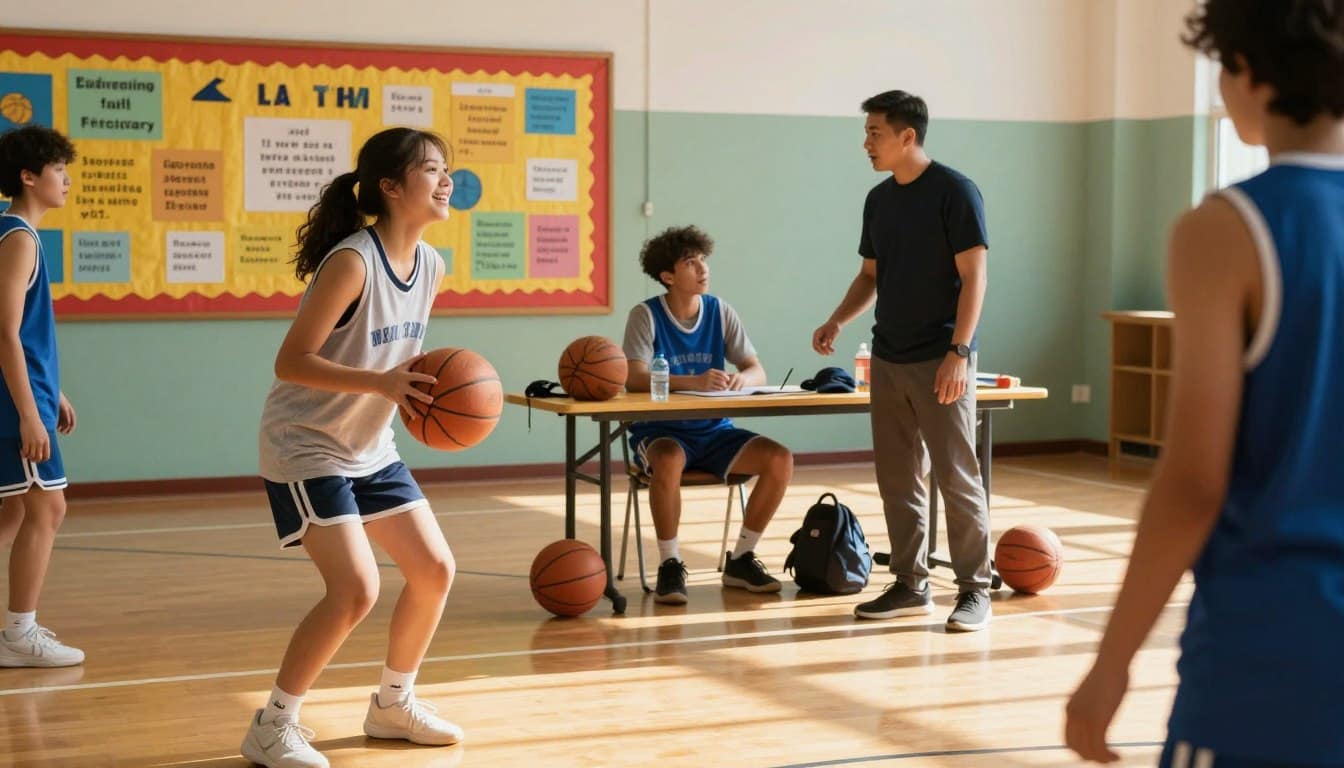
Playing sports is key in building a student’s confidence in learning. A study from the University of Kansas shows that over 97% of student athletes graduate high school. This is much higher than students who don’t play sports.
Also, athletes often get better grades. This shows that sports benefits go beyond just playing. Sports improve blood flow to the brain, releasing happy hormones that boost mood and performance.
These changes help with focus, memory, and solving problems. Through sports, students learn discipline and resilience. This helps them face academic challenges better. This link is not just a coincidence. It’s based on brain and psychological growth.
Exploring Successful Programs
In the world of sports and education, many schools and universities have created programs that blend sports with learning. These programs include NCAA Division I athletics, club sports, and intramural leagues. Each offers different chances for students to grow.
Collegiate athletics, like those in the NCAA, give student-athletes a place to shine. Schools like the University of Bridgeport have big athletic programs with academic support. This support includes tutoring, study sessions, and mentorship to help students do well in class.
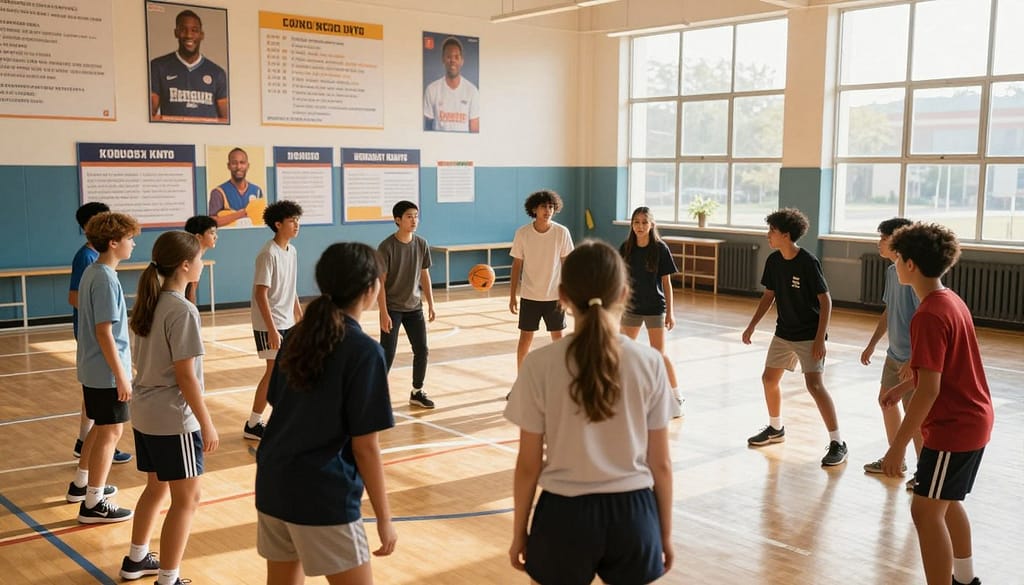
Club sports are a great option for students who want to stay active but don’t want the high-pressure competition. Unlike intramural leagues, club sports let students compete against teams from other schools. They can even win national championships. Sports like basketball, soccer, and eSports are very popular and welcome all kinds of players.
Coaches are key in these programs. They are not just trainers but also mentors who shape young athletes. When athletes have good sports mentors, they are more likely to look for role models in life. This mentorship helps build a culture of responsibility and ambition, important for success in all areas.
High schools also have programs that mix sports with learning. These programs help students do well in both sports and school. By teaching discipline and teamwork, schools make students ready for the future.
Successful athletic programs have dedicated coaches, peer mentorship, and a focus on student-athlete success. They create a culture that values both learning and sports. This way, students can reach their highest goals.
Teaching Discipline and Responsibility
Sports are a great way to teach discipline and responsibility to young athletes. These skills are key for doing well in school and growing as a person. By playing sports, students learn to set goals for the short and long term. This is similar to how they study and finish their homework.
During a sports season, athletes keep track of their progress and get feedback from coaches. This feedback helps them change their approach, just like revising work before a test. Sports require athletes to manage their time well. Without good time management, it’s hard to balance school and sports.
Team sports also improve communication skills, which are important in school and sports. Athletes learn to listen to coaches and teammates, and to share their thoughts clearly. These skills help students do better in class and work together more effectively.
Also, sports teach athletes to make fast decisions when it matters. This skill is useful for handling exam stress and meeting deadlines. By seeing discipline as a way to succeed, sports build students’ resilience and confidence.
In summary, the educational impact of sports goes beyond the playing field. It shapes character and prepares students for school challenges. For more on this, check out this resource.
Balancing Academics and Athletics
It’s key for student-athletes to balance sports and school. Parents and students often worry about managing classes and homework with sports. This can be tough, even more so in college.
Colleges offer tutoring and study sessions for these students. These help them do well in school while playing sports. It’s a big help and keeps them motivated.
Student-athletes can get scholarships for sports and other financial aid. This makes college more affordable. It lets them focus on school and sports without worrying about jobs.
Olympic gymnast Shannon Miller planned her day carefully. She showed how important time management is for success in sports and school.
The skills athletes use in sports, like prioritizing and focusing, help with school too. Balancing sports and school can make both areas better. It helps students manage their time well and feel confident in their abilities.
| Support Services | Description | Benefits |
|---|---|---|
| Tutoring Centers | Specialized help for student-athletes | Improved academic performance |
| Study Halls | Structured time for homework and study | Enhanced focus and productivity |
| Academic Advising | Guidance on course selection and scheduling | Better time management |
For more insights on how schools and community organizations collaborate to support student-athletes, visit this link.
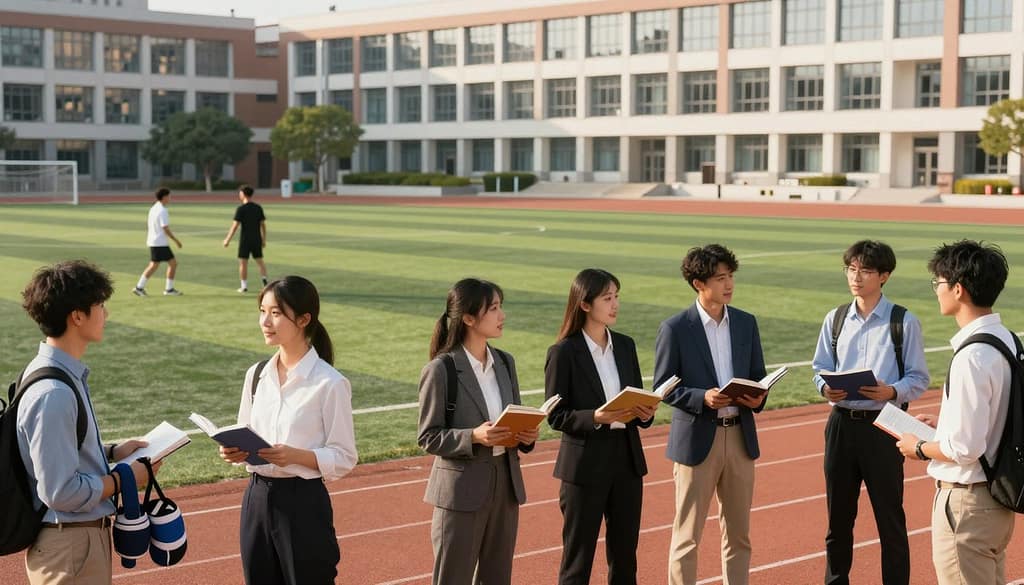
Developing Holistic Youth Empowerment
Being part of athletics helps young people grow in many ways. Team sports teach the five C’s: competence, confidence, connections, character, and caring. These skills boost self-esteem and help with social interactions.
Teammates, coaches, and family support each other, creating a strong community. This environment is perfect for building self-worth.
Studies show that youth in sports feel more connected to their school. This feeling is linked to better grades, classroom behavior, and staying in school. True Sport found that athletes get more social support, which is key for self-esteem.
Exercise also improves focus, memory, creativity, and problem-solving. These skills help in school, showing how sports and school work together. Students become more resilient and confident, both on and off the field.
The goal is to prepare young people for life through sports. Athletics and school success go hand in hand. Schools, families, and communities can use sports to empower youth. For more on the benefits of sports programs, check out this resource.