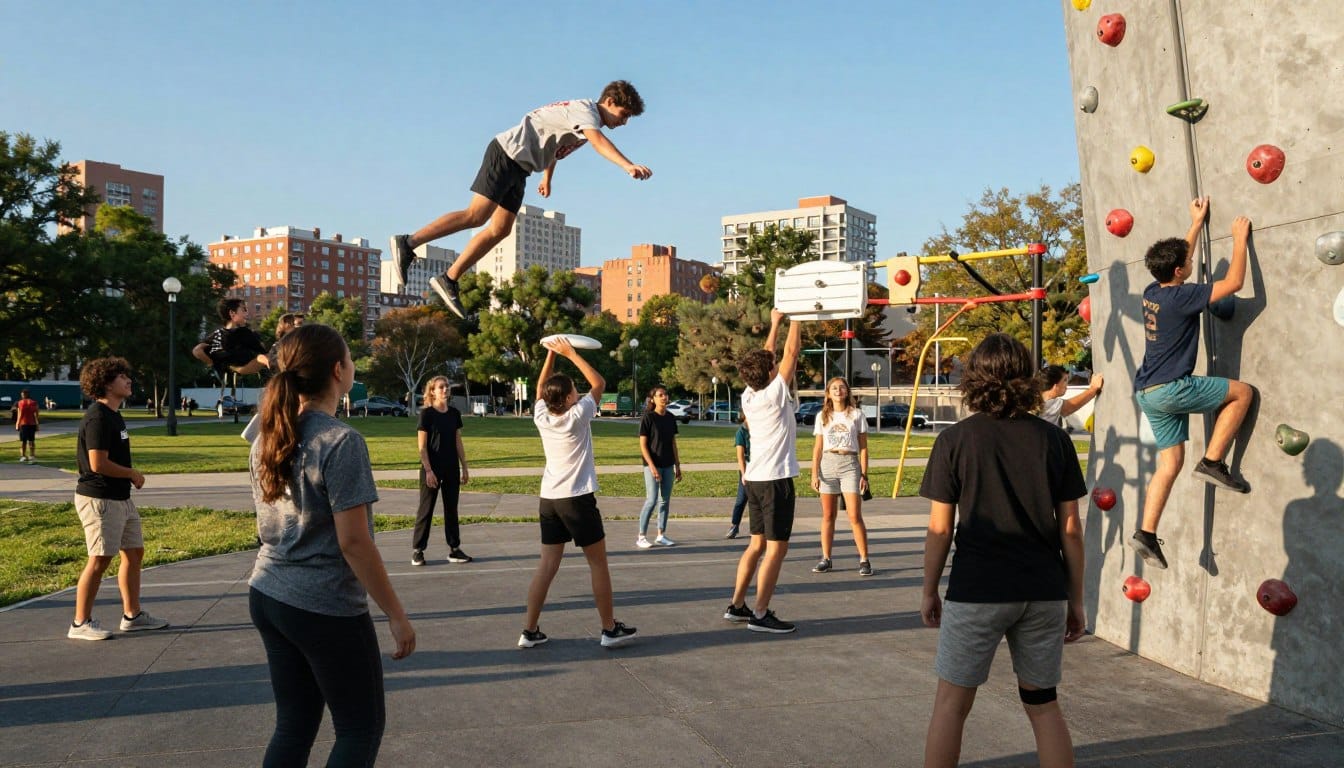
In recent years, using sports for personal growth has become more popular. It’s not just about winning; it’s a way to learn, build community, and fight against economic and social barriers. This method helps people develop important life skills.
A youth basketball group in Lawrence, Kansas, is a great example. It aims to improve young lives through sports. The founder handles everything, teaching kids about sportsmanship and community values. This shows how sports can change lives at the local level.
Programs in places like Burkina Faso and Kenya show the worldwide impact of this idea. They boost physical health and tackle big issues like education and gender equality. Nelson Mandela once said, “Sport has the power to change the world.” This shows sports’ ability to inspire and bring people together.
It’s important to see how this model is different from traditional sports. It’s a new way to help young people succeed. To learn more about its benefits, check out this resource.
Success Stories and Impact
Non-traditional sports can change young lives for the better. The Lawrence basketball organization is a great example. It helps at-risk youth grow and learn sportsmanship.
In Mali, Right To Play International uses sports to teach life skills. They’ve helped 37,000 kids in 60 schools and centers. This effort has improved education and living conditions for over 5,000 children.
‘Edutainment’ combines learning with fun, reducing dropout rates. Tackle Africa uses football to teach girls about health and rights. Mobile health clinics at football games also boost HIV testing.
The Youth Sport Trust saw great results in 2024/25. Over 2.5 million young people joined their programs. 67% of them became more active. Stories like Olivia’s show how sports can change lives.
Jack, who had trouble controlling his anger, found help through Boys Move. This program teaches emotional control.
These programs do more than just keep kids fit. They improve education, equality, and health. They show why we should keep investing in sports for youth.
| Program | Participants | Key Outcomes |
|---|---|---|
| Lawrence Basketball Organization | At-risk youth | Personal growth, community involvement |
| Right To Play International | 37,000 children | Improved literacy, reduced dropout rates |
| Youth Sport Trust | 2,495,522 young people | Increased physical activity, improved outlook |
Building Programs and Partnerships
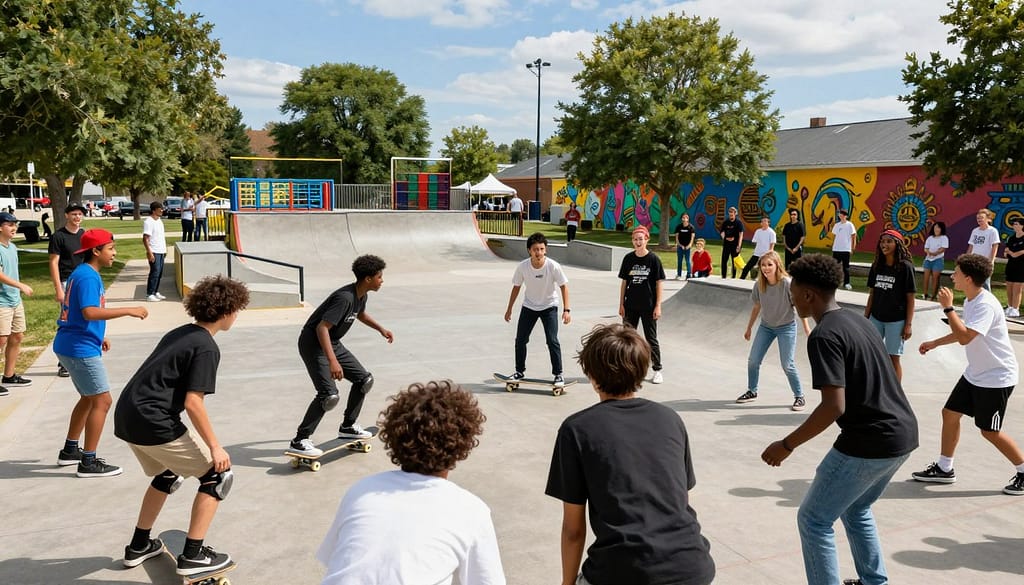
To empower youth through non-traditional sports, we need a smart plan. It’s not just about getting resources. It’s also about building strong partnerships with many groups.
The Lawrence basketball initiative shows how one person can change lives. By creating a website and working with the NorthPoint Foundation, they got the gear they needed. This included:
- Six regulation-sized basketballs
- Two standard-sized blocking pads
- Two extra-large mesh ball bags
- Two agility ladders
- Two sets of pop-up defender 3 packs
The Youth Sport Trust’s Growth Areas strategy is a great example. It finds communities that need help the most. They use data to pick 20 areas and then:
- 161 school insight visits
- 18 local insight reports
- 20 local area forums established
- 156 specific action plans developed
These efforts led to great results. For example:
- 1,592 practitioners trained
- 2,285 young people engaged in programs
- 53,371 total program participants
Working together with different groups is key. Nonprofits, government, and businesses can help fund programs. Some examples include:
- The Wimbledon Foundation and Barclays with the Youth Sport Trust
- The UK Shared Prosperity Fund’s support for Generation Charnwood
- Influential sports figures like Sadio Mané and Serge Gnabry, who inspire youth
It’s also important to focus on training staff. Programs like the Leadership Development Programme help. They aim to have more diverse physical education teachers.
In short, to empower youth through sports, we need:
- Strong partnerships
- Targeted efforts in underserved areas
- Training for coaches and staff
- A focus on diversity and inclusion
By doing these things, we can make lasting changes. We can engage more youth and help build a healthier, more inclusive society.
Overcoming Challenges and Barriers
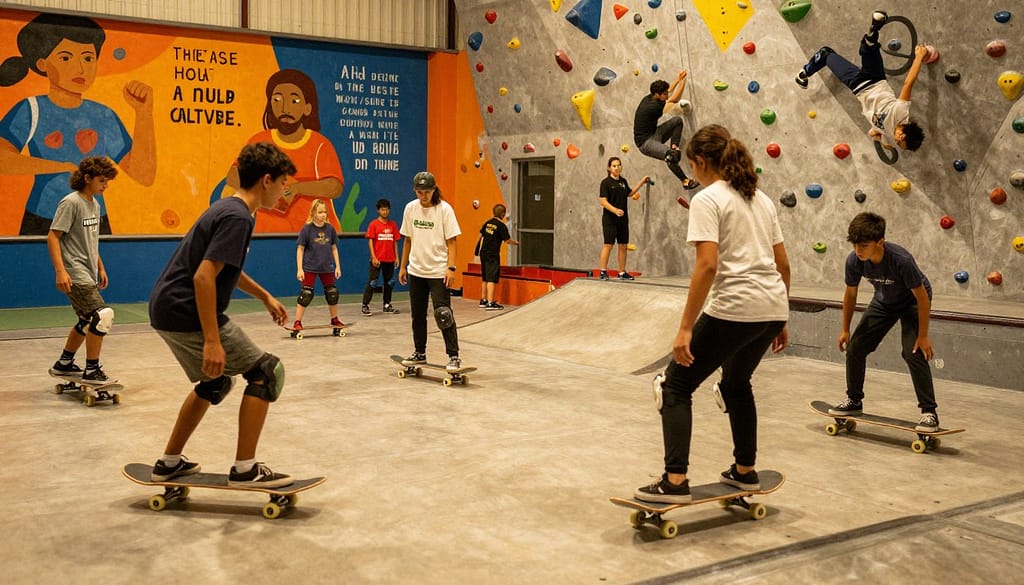
Many young people face big barriers to sports. Girls and those with disabilities are hit hard. Cultural norms, safety worries, and lack of resources stop girls from playing sports. But, programs that use non-traditional sports can break down these barriers.
For example, Tackle Africa uses football to teach girls about health, violence, and their rights. It creates safe places for girls to grow confident and lead. Training female coaches shows girls they can lead in sports and life.
Disability inclusion is key. It means making sure everyone can play sports. This means having the right equipment and staff. Organizations are working hard to make sports accessible for all.
Also, toxic masculinity and mental health issues in boys are big problems. Shows like Adolescence bring these issues to light. Programs like Boys Move teach educators to use sports to help boys. It works, with 92% of boys feeling happier and 77% feeling more connected.
There’s also a problem with minority educators in physical education. In England, most headteachers are White British, unlike the diverse population. This lack of diversity means kids from different backgrounds lack role models. It’s important to train diverse PE professionals.
Lastly, keeping sport-for-development programs going is a big challenge. These programs are often seen as short-term fixes. To succeed, we need to focus on lasting change through policy, funding, and measuring success.
By tackling these challenges, we can make sports more inclusive. This empowers youth in new ways. For more on working with schools and groups, see this resource.
Expanding Reach and Accessibility
Empowering youth through non-traditional sports is more than a trend. It’s a key strategy for inclusivity and opportunity. The Youth Sport Trust’s 2022-2035 strategy aims to make play and sport available to all by 2035.
Initiatives like Growth Areas show promising results. In Islington, 16% more young people meet physical activity guidelines. Bournemouth and Hartlepool also see improvements, showing the power of targeted efforts.
Generation Charnwood is a model that supports young people from start to finish. It teaches life skills through physical education and work placements. This approach builds a strong base for future leaders.
It’s important to include sport in national education and health policies. This ensures programs are lasting and meet the needs of young people. Their voices should guide these initiatives.
The International Day of Sport for Development and Peace highlights sport’s power. But, we need to keep investing in community sports and safe spaces. Expanding access is key to a brighter future for our youth.