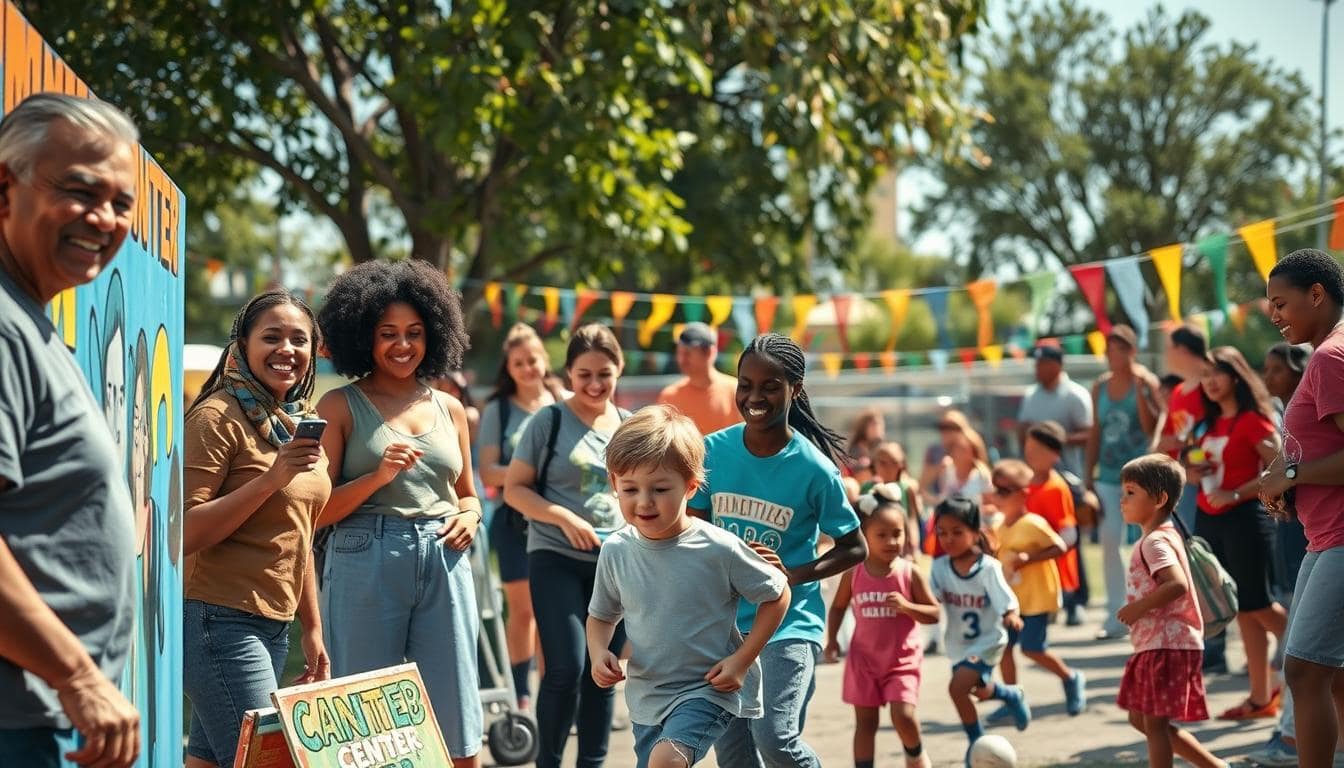
Today, sports organizations see social responsibility as key to lasting success. They add Volunteering & Community Service to their main activities. This helps them connect better with their community.
This approach turns sports programs into chances for real community engagement.
In 2025, the way we make a difference changed. Idealist and VolunteerMatch merged to create the world’s largest volunteer network. This new group helps connect sports management with social goals.
Groups using these resources can build a purpose-driven culture. By linking sports with social goals, they stay relevant. Structured participation is key for lasting growth and good public image.
Integrating Community Service in Sports Programs
Adding community service to sports programs changes how student-athletes learn. It moves away from random efforts to a sustainable organizational strategy. This way, Volunteering & Community Service becomes a big part of the school’s culture, not just a one-off event.
Nevada Athletics is a great example. Their athletes, coaches, and staff give over 7,000 hours of service each year. This shows how structured programs can be role models and help people grow.
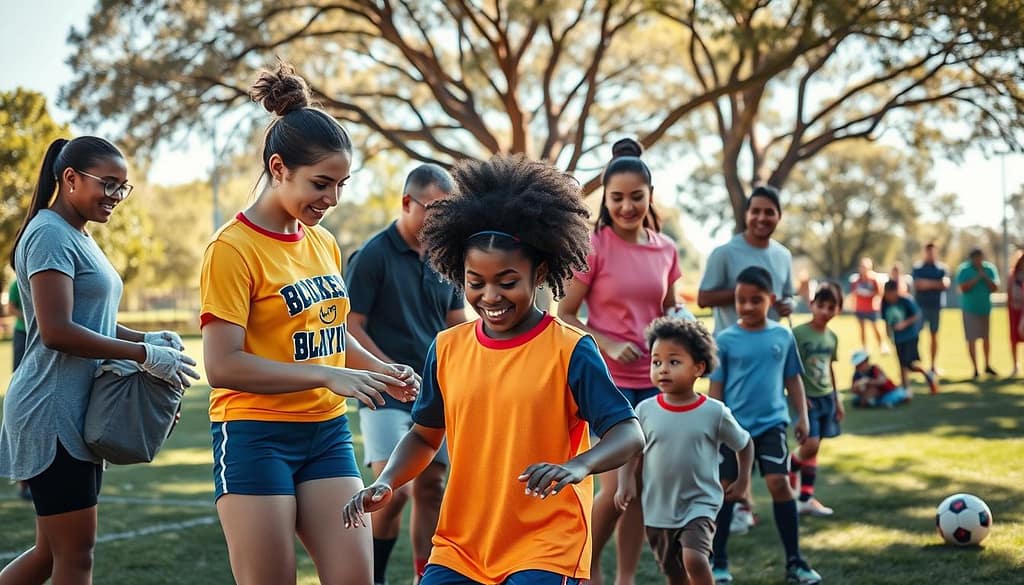
Setting up these programs helps track their impact. It also makes sure service goals match the school’s values. When programs focus on holistic youth development, athletes can really connect with their community. This is key for building trust and lasting community engagement.
Switching to a high-impact model needs clear leadership and planning. By seeing service as a key job, athletic departments keep it a top priority. This approach makes the organization’s character better and prepares athletes for leadership roles later on.
Encouraging Volunteerism Among Youth
Teaching youth to serve requires leadership and clear opportunities. Groups that focus on Volunteering & Community Service help young people use their talents. This approach helps them grow and learn about civic duty.
The “Give Back Like Jack” campaign at Nevada Athletics is a great example. It honors Jack Reviglio’s giving spirit by encouraging service. This shows how remembering a person’s kindness can inspire others to help.
It’s key to offer young people guidance. With help, they find positive volunteer experiences that match their interests. This builds a strong bond with the community and teaches the value of giving.
Good programs mix learning with helping others. The table below shows what makes youth service programs work well.
| Strategy Component | Primary Objective | Expected Outcome |
|---|---|---|
| Structured Mentorship | Skill development | Increased confidence |
| Legacy Projects | Inspiration | Sustained participation |
| Community Integration | Social awareness | Civic responsibility |
| Reflective Practice | Personal growth | Long-term commitment |
Using these strategies, groups make volunteering meaningful and fulfilling. A focus on Volunteering & Community Service helps both the community and future leaders. Empowerment is at the heart of any good youth program.
Leadership Through Service: Stories of Impact
Effective leadership often comes from Volunteering & Community Service. People who help out in their communities learn skills that help them lead. They learn to work with others and make real changes.
Turning ideas into action is hard for many leaders. The Idealist Action Incubator helps by giving free coaching. This way, people can plan and do community work better.
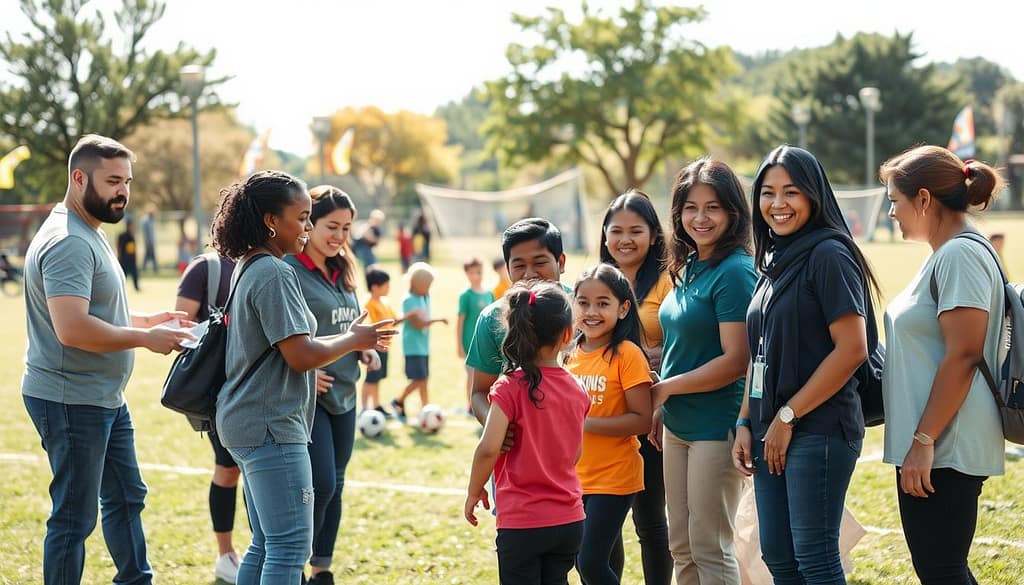
Success in projects needs more than just wanting to help. It needs a solid plan for community engagement. Leaders who use professional plans can really help their communities and grow personally.
Sharing success stories is a great way to motivate others. Leaders can use stories to inspire, train, and get more volunteers. This helps everyone keep getting better.
- Strategic Planning: Learning to map out project milestones effectively.
- Resource Allocation: Managing limited assets to maximize social impact.
- Stakeholder Alignment: Building consensus among diverse community groups.
- Measurable Outcomes: Tracking progress through data-driven community engagement metrics.
Service and leadership together make a strong base for success. With expert help, people can make lasting, good changes in their communities.
Tools and Strategies for Volunteer Coordination
Effective management needs strong systems to track progress and measure impact. Organizations must use data-driven frameworks to monitor service hours and evaluate their success. This approach ensures resources match the institution’s core mission.
Nevada Athletics shows how to excel in this area. They won the Mountain West Community Service Challenge in 2019, 2020, and 2022. This proves that tracking metrics leads to better results. It helps administrators improve volunteer experiences over time.
Good coordination is key to long-term success in community engagement. Leaders who focus on structured reporting gain valuable insights. This commitment turns simple participation into meaningful Volunteering & Community Service.
Stakeholders should check their tracking tools to see their full impact. Investing in reliable software or standard reporting protocols makes things easier. These efforts boost the value of volunteer experiences for everyone involved.
Creating a lasting culture of service takes ongoing effort and planning. Organizations that follow these standards will see more engagement and significant social outcomes. Using these management principles is the best way to bring lasting change to communities.