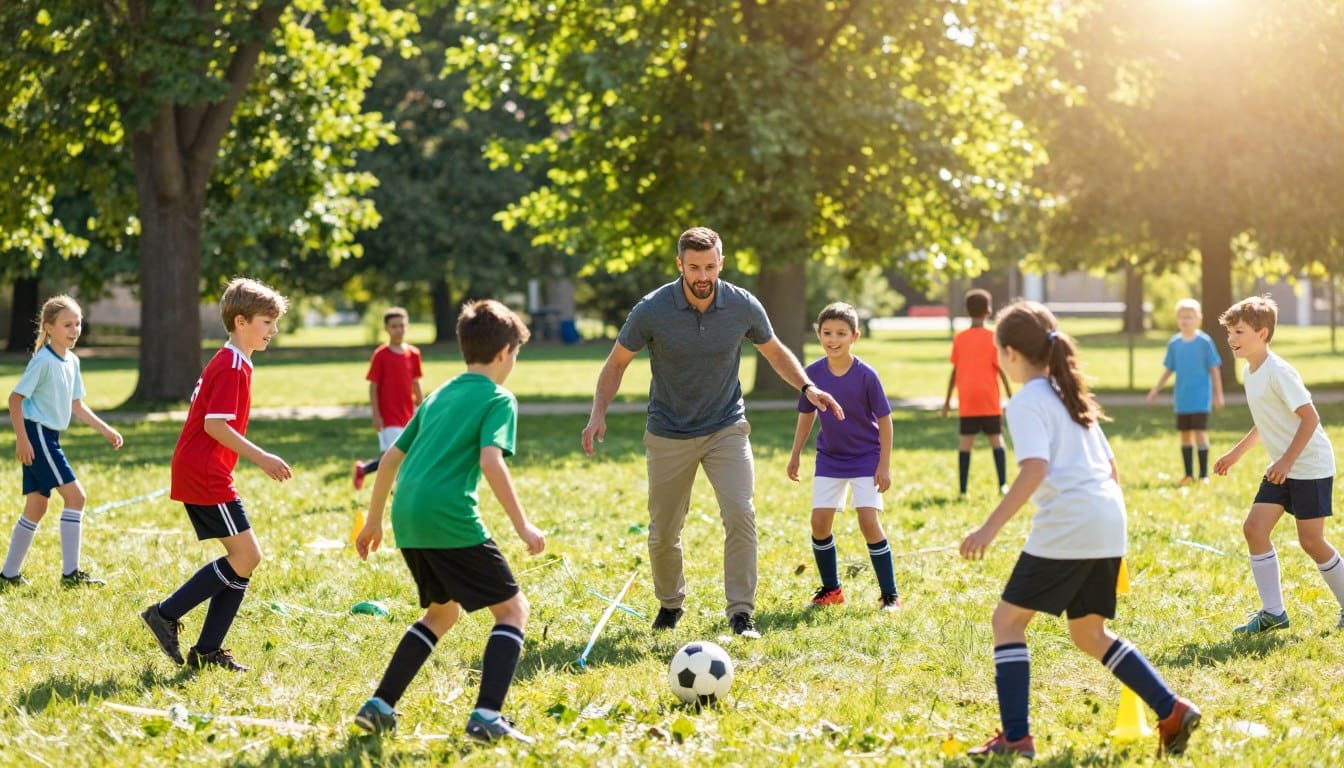
Non-traditional activities are great for kids. They help build a wide range of movement skills. This is key for growing well in sports.
Unlike formal leagues, informal games let kids make their own choices. This approach boosts creativity and motivation. It helps them learn by exploring, not just following rules.
These games also make kids more excited and involved. This strengthens friendships and social skills. They focus on fun, not just winning, to avoid burnout and injuries.
Studies show that varied activities improve kids’ minds and social skills. To learn more, check out this resource. Also, see how sports help kids grow in this article.
Creating Inclusive Environments
Play-based methods help make spaces where everyone feels welcome. They break down old barriers and let everyone join in, no matter their age, gender, or ability. Non-traditional sports often have less strict rules, making it easier for people of all kinds to play together.
This kind of inclusivity builds a sense of community and belonging. It’s all about feeling part of a group.
Designing for Diverse Participation
It’s important to design activities that everyone can enjoy. Games that are more about fun and skill than winning are great examples. They let kids play with their friends and learn new things without worrying about losing.
Unlike traditional sports, these games focus on having fun and trying new things. It’s a way for kids to connect with others and enjoy moving around.
Integrating Cultural and Indigenous Games
Adding cultural and indigenous games to play-based activities makes them even better. For example, Ki O Rahi from New Zealand is not just a game. It’s a way to keep cultural traditions alive while getting kids moving.
It teaches important cultural lessons and helps kids feel connected to their heritage. By celebrating these games, we create a space where every child can feel proud of who they are.
| Aspect | Traditional Sports | Play-Based Approaches |
|---|---|---|
| Team Selection | Tryouts and competition | Friendship and skill balance |
| Focus | Winning | Participation and enjoyment |
| Inclusivity | Exclusionary | Welcoming |
| Cultural Integration | Limited | Emphasized through games |

Success Stories and Program Examples
Play-based approaches have led to many success stories in communities. These efforts show how sports and play can build resilience, leadership, and a sense of belonging in youth. Here are some examples of community-led programs that show the power of creative engagement.
Community-Led Initiatives Making an Impact
The Aspen Institute’s Project Play Summit highlights successful models of play in community development. Here are a few standout programs:
- Think Watts Foundation: Brandon “Stix” Salaam-Bailey founded this initiative to use sports to heal and build community in Watts, Los Angeles. It focuses on teamwork and mentorship.
- Captains Leadership Academy: This program turns team captains into community leaders. It teaches them to inspire and guide their peers.
- Street Soccer USA: This organization uses soccer to fight homelessness. It empowers individuals to rebuild their lives through teamwork and support.
These programs show how sports can be built around play. They create an environment where youth can thrive, both on and off the field.
The Project Play Summit Model
The Project Play Summit is a catalyst for change. It brings leaders together to share best practices and strategies for promoting play. The documentary ‘The Meloneers’ is a compelling example. It shows the impact of sports on high school wrestlers in rural Colorado.
Programs like Harlem Lacrosse Boston and the Play Ball Foundation are also noteworthy. They show effective national-local partnerships that boost youth engagement through play. These partnerships are a key to sustainable and impactful outcomes.
In summary, the success stories from these community-led initiatives highlight the importance of creative engagement. They show how sports can help build healthy children and communities.
Overcoming Barriers
To truly embrace play-based approaches in sports, we must face the barriers that stop them. These obstacles are often rooted in traditional sports structures. They focus on adult control and strict rules, which can make sports a negative experience for kids.
One big issue is the fear culture in youth sports. Coaching methods that use fear, like verbal insults or physical punishment, make kids feel unsafe. This behavior is unacceptable in schools and should not be allowed in sports either. It’s important to change these coaching practices to create a better environment for young athletes.
Addressing Adult-Centric Models and Safety Concerns
Many sports programs focus too much on winning and competition. This can ignore the developmental needs of children. It’s important to shift our focus to fun, creativity, and personal growth.
Safety is also a key concern in youth sports. We need to set guidelines to protect kids from bad coaching. This includes training coaches on positive reinforcement and emotional support. By doing this, we can help kids grow both physically and emotionally.
Equitable Access to Space and Resources
Another barrier is unequal access to facilities and resources. Complex permitting processes often favor established sports groups. This makes it hard for new or non-traditional programs to find space. This limits kids’ chances to try different play experiences.
To solve this, we need to push for policy changes that ensure fair access to resources. Communities should work together to make sure all kids can play sports, no matter their background. By doing this, we can make play-based approaches in sports available to everyone.
Overcoming these barriers is key to creating a sports culture that values kids’ rights and needs. For more on building supportive relationships in sports, check out this resource. Also, research on the role of play in sports is available here.
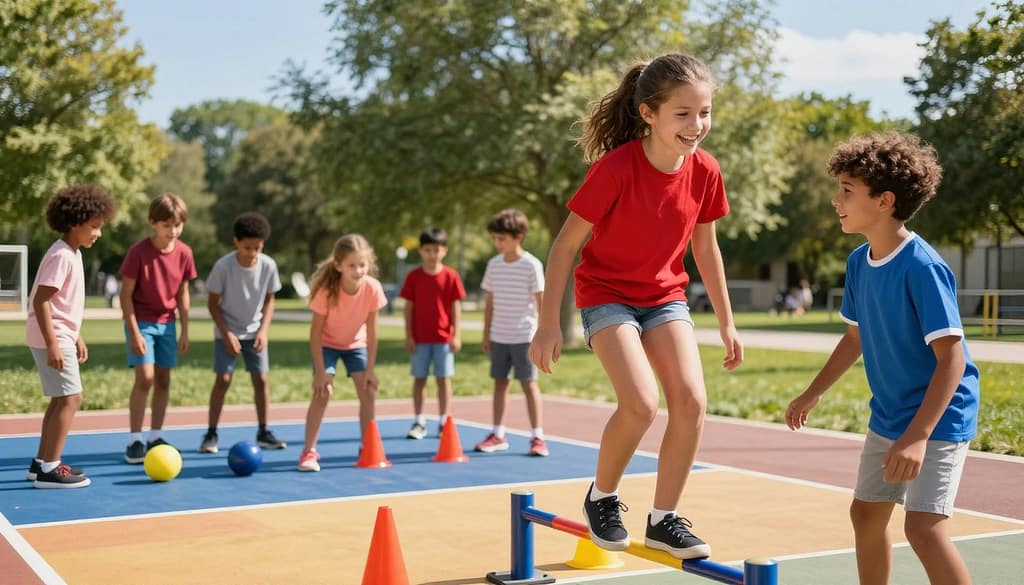
Ways Forward for Sports Empowerment
Creating a supportive environment for youth sports starts with parents. They can offer a variety of sports to their kids. This lets children explore different activities and find what they love.
Empowering Parents as Facilitators of Play
Parents can help their kids try out different sports. They should focus on fun and friendship, not just winning. The Aspen Institute’s Project Play supports this by setting guidelines for adults to help kids feel safe and supported.
Policy and Advocacy for Youth-Centered Sports
Policy changes are key to making sports better for kids. Programs like Project Play Colorado use public funds to improve after-school sports. Making sure all kids have access to sports facilities is also important.
By working together, we can make sports a place where everyone can be healthy and happy.