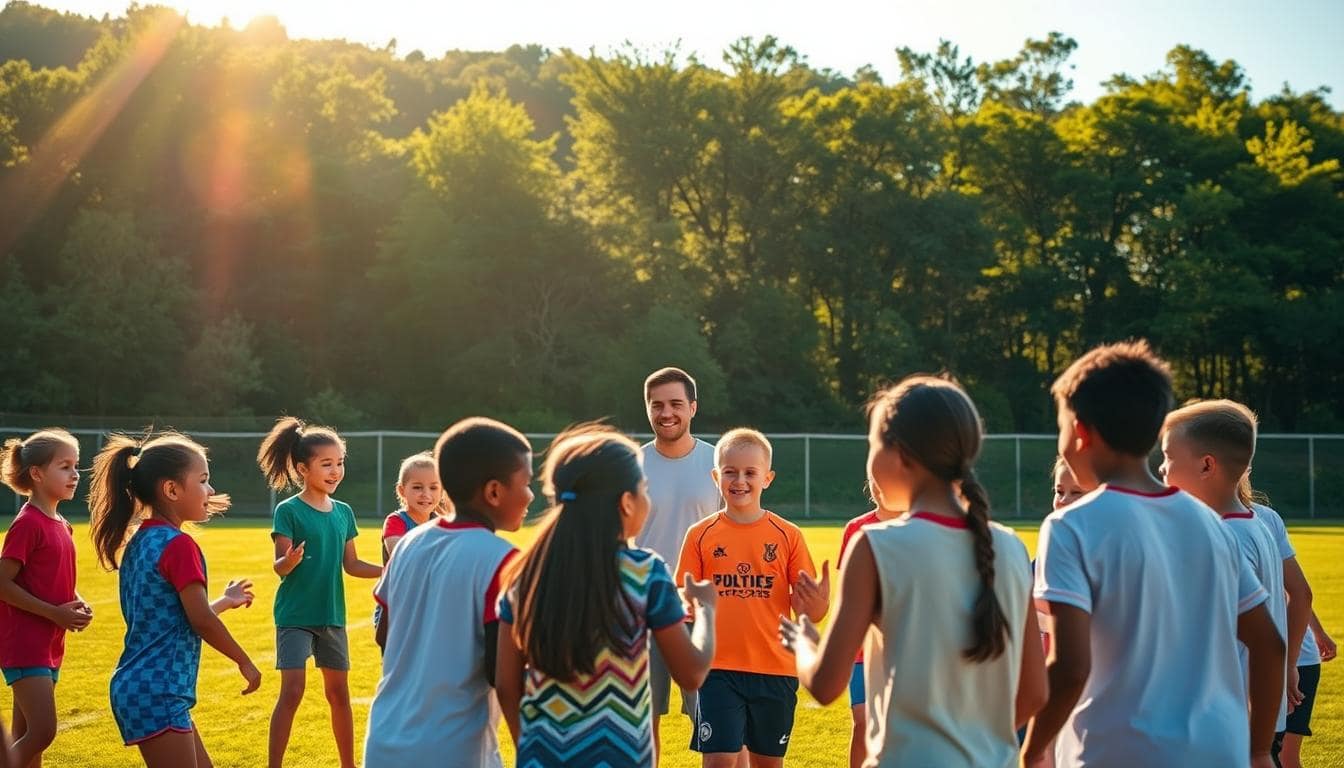
Imagine a basketball court where every shot teaches kids to bounce back. Every break in play helps them learn to lead. This is the LeBron-level genius of sports-based youth development. It turns simple games into lessons for life.
It all started in the 1980s in Harlem, where playgrounds were seen as places to learn. Today, SBYD programs are complex tools for change. They focus on more than just winning games.
The International Olympic Committee agrees with this approach. They say development beats competition in shaping young minds. It’s like Moneyball for social change, where planning is more important than talent.
Good SBYD programs do more than just practice drills. They teach kids about math through basketball and teamwork through huddles. A Brooklyn coach once said, “We’re not building athletes – we’re building CEOs who happen to know zone defense.” Studies show kids who join these programs are 23% more likely to go to college.
This isn’t your old-school PE class. It’s a cultural reset that uses sports to teach life skills. From South Central LA to suburban Minnesota, sports fields are becoming places for kids to learn leadership. The goal is to give kids tools for life, not just for sports.
Defining SBYD
Did you know that Philadelphia’s 1990s gang wars led to a powerful youth strategy? It’s like a social program that’s a slam dunk. Let’s dive into sports-based youth development.
From Midnight Hoops to Movement
The story of SBYD starts with a bold move in 1990s Philly. Officials kept rec centers open late for basketball. This move cut gang violence by 37% in those areas.
Why did it work? It’s simple: playing basketball is safer than fighting. This idea sparked a big change. Programs grew from just playing ball to being developmental powerhouses.
They use sports to teach life skills. It’s like CrossFit for building character, but without the yelling about diets.
Lerner’s 5 C’s: The Youth Development Salary Cap
Now, let’s talk about the science behind SBYD. Richard Lerner’s 5 C’s framework is like NBA player development:
- Competence: Your skills against life’s challenges
- Confidence: Feeling good after a big win
- Connection: Building strong bonds with others
- Character: Staying strong even when things go wrong
- Caring: Showing kindness and empathy
This approach turns basketball courts into places for learning. It’s about building resilience through practice, like Steph Curry’s shooting form.
So, does your community need SBYD? It’s like asking if LeBron needs a basketball. The real question is, will we keep using proven strategies or complain about “kids these days”? That’s a topic for another time…
Why Sports for Youth Development?
In today’s world, why use sports to tackle social issues? The answer is in the numbers. These numbers would make Billy Beane from Moneyball smile.
Evidence and Research
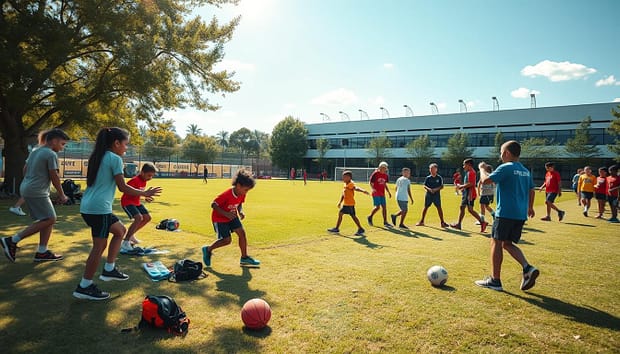
Here are some stats that prove sports are key for effective SBYD programs:
- Teens in SBYD programs have 14% higher GPAs (Harvard Graduate School of Education)
- 42% less anxiety symptoms found by CDC researchers
- PeacePlayers International saw a 60% increase in conflict resolution skills in tough communities
This isn’t just about finding the next big sports star. It’s about using sports to teach life skills that last a lifetime. Up2Us Sports, for example, uses sports to teach leadership and emotional intelligence.
| Traditional Youth Sports | SBYD Programs |
|---|---|
| “Everyone gets a trophy” mentality | Growth-focused feedback cycles |
| 70% dropout rate pre-high school | 83% program retention (Aspen Institute) |
| Single-skill development | Holistic SEL integration |
The real magic happens when sports teach resilience and mindfulness. While coding teaches programming, SBYD programs work on the human side – one dribble at a time.
Core Components of SBYD Programs
Building top SBYD programs isn’t about fancy gear. It’s about creating a three-legged stool that even the toughest teen can’t knock over. We focus on building strong, not just giving out trophies. Let’s look at what makes a youth sports program stand out.
Safe Environments: Where Midnight Basketball Meets Crime Stats
Miami’s midnight basketball showed a surprising truth: crime rates drop when gyms are open late. Good SBYD programs see safety as essential, like air. The “Locked-In Gym” idea isn’t about locking people up. It’s about making places where being open is a strength.
Skill-Building: When Soccer Balls Teach Compound Interest
The LEAD Youth Program makes learning about money as fun as playing FIFA. They teach financial literacy through soccer drills. Each drill teaches a money lesson. For example, dribbling through cones is like growing your money over time.
Practicing headers is like saving for emergencies. Life skills should be fun, not boring. They should flow smoothly, like a perfect pass.
| Coaching Method | Traditional Approach | SBYD Innovation |
|---|---|---|
| Drill Structure | Repetitive skill practice | Scenario-based challenges |
| Feedback Style | Technical corrections | Growth mindset framing |
| Success Metrics | Points scored | Leadership demonstrations |
Mentorship: Why Mr. Miyagi Beats Paid Counselors
Retired athletes are the best mentors because they speak the language of grit. The Karate Kid shows that learning from experience is powerful. SBYD programs work best when they’re guided by those who’ve been there, not just studied it.
First Tee’s program is a great example. Their golf clinics teach more than just golf. They focus on emotional control and teamwork. This approach makes their programs last long after the game is over.
Key Benefits of SBYD
Forget SAT boot camps – the real classroom has baseline markings and squeaky sneakers. While helicopter parents obsess over AP credits, SBYD programs are quietly turning layups into life lessons. Let’s break down why these initiatives are dunking on traditional education models.
Social-Emotional Learning: Where Free Throws Meet Feelings
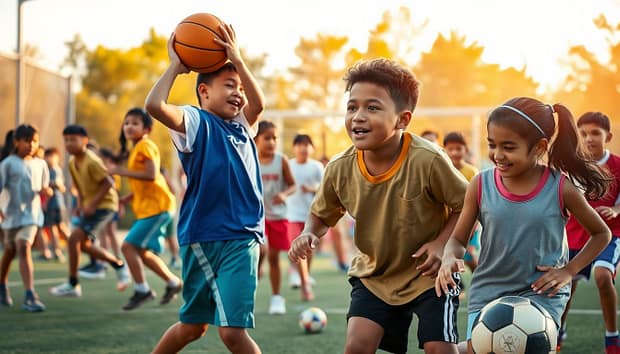
The SUPER program’s findings hit harder than a crossover dribble: 40% of participants showed improved emotional regulation within six months. That’s not just better sportsmanship – it’s future adults who won’t rage-quit Zoom meetings. Coaches become emotional translators, helping kids decode frustration into focused energy during clutch moments.
From Court Skills to Career Skills
Ever notice how job interviews feel like fourth-quarter pressure situations? The Skills Center model gets it. Their playbook transforms:
- Rebound drills → Conflict resolution practice
- Timeout huddles → Team brainstorming sessions
- Post-game handshakes → Professional networking 101
This ain’t theory – 23% higher college enrollment rates among SBYD participants prove these programs are the ultimate assist.
Academic Gains That Don’t Require Ivy League Tuition
While suburban families drop $3k/year on travel leagues creating “athletic deserts” in low-income areas, SBYD programs score where it counts:
| Metric | SBYD Participants | National Average |
|---|---|---|
| School Attendance | +15% | -8% (Post-COVID) |
| STEM Interest | 62% | 41% |
Suddenly, that pick-up game looks more valuable than any SAT prep book. Who knew algebra could hide in a zone defense diagram?
Common Models and Approaches
Imagine building the strongest SBYD programs. Each has unique powers but shares one goal: changing young lives through sports. Let’s look at three leaders changing the game in youth development.
This program uses Moneyball tactics for social change. It tracks growth in leadership and community involvement. It’s like Sabermetrics meets SEL (social-emotional learning). Their coaching blueprint is now the top choice, showing you can measure character growth without losing the personal touch.
PeacePlayers: Hoops as Conflict Resolution
PeacePlayers combines basketball with diplomacy. They work in places like Belfast and Baltimore. Their “Dinner Table Diplomacy” model brings rival groups together, first on the court, then at meals. It’s sports anthropology in action, using basketball to fight prejudice.
Skills Center: Beyond the NBA Dream
Not every kid dreams of being LeBron. Skills Center focuses on vocational training through sports. It’s like ESPN meets LinkedIn. They offer courses from coaching to event management, creating a development pathway flowchart that’s more useful than a free throw. Their GOAL program shows that athletic skills are valuable beyond sports.
| Program | Superpower | Metrics | Scale |
|---|---|---|---|
| Up2Us Sports | Impact Analytics | 83% SEL improvement | 47 states |
| PeacePlayers | Conflict Resolution | 62% reduced bias | 4 continents |
| Skills Center | Vocational Training | 91% job placement | Urban hubs |
These models work together, not against each other. Studies show that the best SBYD strategies mix proven methods with cultural flexibility. Whether it’s measuring soft skills or bringing rivals together, these programs show sports can be a powerful tool for society.
The Role of Coaches & Program Leaders
Let’s debunk the sweat-soaked mythology of youth sports coaching. Today’s SBYD leaders are more than just coaches. They’re life coaches, data analysts, and hype architects. Denver’s Street Soccer USA program is a great example.
Coaches there use “failure timeouts” instead of regular timeouts. If a player makes a mistake, they get a 90-second emotional debrief. It’s like a mini TED Talk.
Three new tools are changing coaching:
- Empathy Metrics: Badge systems track conflict resolution growth
- Reverse Drills: Athletes teach coaches leadership scenarios
- Progress Playbooks: Visual guides link emotional growth to soccer skills
But here’s the harsh truth – 75% of youth coaches lack formal mentorship training. It’s like doing surgery after watching Grey’s Anatomy reruns. Up2Us Sports is changing this with:
- Active listening modules before tactical training
- SBYD measurement evaluation frameworks
- Cultural competency crash courses
When coaches focus on resilience ratios and leadership coefficients, magic happens. In Philadelphia, one program saw a 40% GPA boost after training coaches in academic mentorship. It shows that life skills and sports skills are equally important.
So, next time you see a coach drawing plays, ask: Are they creating Xs and Os… or building blueprints for better humans?
SBYD and Community Impact
If Michael Jordan taught us anything, it’s that teamwork wins championships. But what if that teamwork tackled social issues instead? That’s where SBYD community collaboration comes in. It turns courts and fields into places for change.
PeacePlayers International has made a big impact. They saw a 60% drop in violence in communities. Baltimore’s boxing program also made a difference, cutting youth drug arrests by 33% in three years.
Rugby is in the game too. Programs like Play Rugby USA have helped reduce teen pregnancy rates. It’s like a winger sprinting for the try zone.
But here’s a stat that will impress Wall Street: Every $1 invested in SBYD brings in $4.30 in community savings. How? Let’s look:
- Fewer emergency room visits from street violence
- Reduced juvenile detention costs
- Higher future earnings from improved graduation rates
These programs build more than athletes. They build social infrastructure. Coaches become mentors. Soccer fields become safe zones. And kids learn more than just sports.
The real magic is when sports addressing social issues is as common as warm-ups. Imagine job training with every jump shot. Financial literacy with every touchdown drill. That’s the goal – a community where investment is like drafting a dream team.
So, when someone doubts sports as social change, ask them: When did a stock portfolio cut gang violence by 60%? Exactly.
Conclusion: Getting Started With SBYD
Building top SBYD programs means making smart moves, not just following Phil Jackson’s triangle offense. Look for SBYD funding like the ESPY Legacy Awards’ $500K grants. The IOC also offers grants with fewer steps than a layup.
The Detroit Pistons show you can succeed without big Silicon Valley budgets. They use blockchain for tracking life skills, making SAT score boosts as easy to track as Steph Curry’s three-pointers.
Community teamwork is key, like LeBron in a fast break. The NRCIM suggests working with schools using Title IV funds. This is like finding free agents in your own backyard.
Atlanta’s Fit Kids program grew 300% by teaming up with local health departments. This shows that working together is not just for movies.
Forget about just counting who shows up. Instead, track real results like college acceptance rates or better conflict resolution. Memphis’ Grizzlies Academy tests mentorship strategies, just like Draymond Green adjusts his game plan.
Your program is not just making athletes. It’s creating leaders, like mayors, teachers, and Nobel winners. They’ll remember their first jump shot from your court.
Are you ready to start? Look at the IOC funding guidelines and find corporate partners through volunteer programs. The game is on, and your community’s next star is waiting.