

Forget the inspirational posters. Youth sports aren’t the pure character-building factories we sell them as. From the sidelines, I’ve seen the real story: the kid who freezes at a yelled instruction, the phenom who unravels after a minor error.
What if the issue isn’t attitude, but neurology? A trauma-informed approach flips the script. It asks “what happened?” instead of “what’s wrong?”
Here’s the data that changes everything: about 70% of people experience a traumatic event. The impact exists on a spectrum—it doesn’t always meet clinical diagnosis criteria.
This means a player doesn’t need a PTSD label to be affected. Past experiences, from overt stress to chronic pressure, can wire the brain for survival mode. Not for optimal performance.
Understanding this isn’t about coddling. It’s strategic coaching intelligence. It’s the foundation for building truly resilient and connected athletes. Old-school “tough love” often backfires. A trauma-informed perspective? That’s the ultimate competitive advantage.
Six Core Principles: Your New Coaching Operating System
If you think X’s and O’s are the foundation of coaching, you’re missing the actual game plan. The real strategy requires building a team culture on six trauma-informed pillars. This isn’t optional software—it’s the mandatory operating system update for coaching in the 21st century.
Forget the authoritarian coach archetype. That model is as outdated as VHS tapes. Today’s effective coaching requires what experts call trauma-informed principles. These six concepts form the architecture of trust where performance actually grows.
Let’s break down each principle. Think of them as your new coaching fundamentals.
1. Safety: Beyond the Physical
Psychological safety is the bedrock. It’s what lets a kid airball a game-winning shot without fearing social execution. Physical safety is obvious—proper equipment, concussion protocols. But emotional safety? That’s the magic.
It means creating space where vulnerability isn’t weakness. Where mistakes are data points, not character indictments. This safety allows risk-taking, which is where real growth happens.
2. Trust: Built in Micro-Moments
Trust isn’t earned in grand speeches. It’s constructed in microseconds—through consistent, predictable responses. Show up on time. Follow through on promises. Respond calmly to mistakes.
Trauma often stems from betrayal by authority figures. Your consistency becomes the antidote. Every reliable interaction deposits trust currency in your emotional bank account with that athlete.
3. Choice: The Antidote to Helplessness
Trauma breeds helplessness. Choice restores agency. You’re not giving up control—you’re sharing it. “Run laps or do wall sits?” “White jersey or blue?”
These micro-choices rebuild the “I have influence” muscle that trauma often atrophies. It transforms athletes from passive recipients to active participants in their development.
4. Collaboration: From Dictator to Facilitator
The old model: “My way or the highway.” The trauma-informed model: “How should we approach this drill?” Collaboration moves you from commander to co-pilot.
Ask for input on practice structure. Solicit feedback on team rules. This doesn’t mean democracy on every decision. It means athletes feel heard, which dramatically increases buy-in.
5. Empowerment: Spotlight Strengths, Not Deficits
Traditional coaching often focuses on fixing weaknesses. Trauma-informed coaching spotlights strengths first. “Your defensive positioning is excellent—let’s build on that.”
This strengths-based approach counteracts the shame narrative trauma often installs. It helps athletes see themselves as capable, not broken.
6. Cultural Humility: Beyond Colorblindness
“I don’t see color” is well-intentioned but inadequate. Cultural humility means “I see you, and your context matters.” Recognize your suburban playbook might not resonate with urban athletes.
Learn about different communication styles. Understand how community trauma might affect your team. This isn’t political correctness—it’s coaching competence.
| Principle | Traditional Coaching Approach | Trauma-Informed Coaching Approach | Impact on Athlete |
|---|---|---|---|
| Safety | Focus on physical safety only | Prioritizes both physical and psychological safety | Reduces anxiety, increases risk-taking |
| Trust | Assumed through authority position | Earned through consistent micro-actions | Builds secure attachment to coach |
| Choice | Limited or no options provided | Strategic choices offered regularly | Restores sense of agency and control |
| Collaboration | Top-down decision making | Shared input on process and goals | Increases engagement and ownership |
| Empowerment | Focus on correcting weaknesses | Spotlights and builds on strengths | Counters shame, builds confidence |
| Cultural Humility | “One size fits all” approach | Adapts to cultural contexts and backgrounds | Creates inclusive, relevant environment |
Notice the pattern? Each principle moves power from centralized (coach) to distributed (team). This isn’t about being soft. It’s about being strategic.
The table above shows the seismic shift required. Traditional coaching assumes compliance. Trauma-informed coaching cultivates commitment. The difference isn’t subtle—it’s transformative.
Implementing these principles creates what I call the “trust architecture.” It’s the invisible framework where actual skill development occurs. Without this foundation, you’re building on emotional quicksand.
Your play diagrams might be brilliant. Your conditioning program might be cutting-edge. But without these six pillars, you’re coaching in a house with no foundation. The first strong wind—the first major loss, the first conflict—will reveal the structural weakness.
Start with one principle this week. Maybe it’s giving more choices. Or focusing on strengths in your feedback. This operating system doesn’t require a complete overhaul overnight. But it does require intentional installation.
Practice Structures that Reduce Triggers
The most powerful tool you have isn’t a whistle; it’s predictability. This is rare for many at-risk youth. Triggers aren’t just big moments. They can be small, like a sudden whistle or a confusing drill.
Your practice plan should be like a safety net. It tells a nervous system that everything is okay.

Start with predictable rituals. Use the same warm-up every time. This builds safety for at-risk youth.
Be like a GPS for the session. Say, “In five minutes, we’re moving from individual skills to team defense.” This warning helps avoid anxiety.
Clarity is key. Focus on the process, not just the outcome. Drills that focus on “three clean passes” are better than ones that stress winning.
Structure helps build success into practice. It creates paths for growth.
Also, include off-ramps. Create a “regulation zone” for quiet time. It’s not a penalty, but a chance to reset.
A traumatized brain is always on alert. A structured practice tells them, There are no surprises here. You are safe to learn. This message is more than just about sports. It shows what a respectful world feels like.
De-escalation and Boundaries
Imagine a player in a downward spiral. They might be yelling at a teammate or just staring blankly. The usual coaching tactic is to take charge. “Knock it off!” or “Get your head in the game!”
This approach can be like throwing a match into gasoline. For athletes with trauma, feeling threatened makes them shut down. Your demand for control can make them feel even more threatened.
Trauma-informed de-escalation is like a calm Jedi mind trick. It’s not about winning an argument. It’s about calming the athlete’s nervous system. Start by controlling your own emotions. Your panic can make theirs worse.
Use the power of choice to your advantage. Instead of “Go take a lap,” say, “Would it be okay if we stepped over here for a minute?” This approach doesn’t give up control. It gives a bit of control back to the athlete, helping to avoid a power struggle.
Setting clear boundaries is key. It’s not about being cold, but clear and caring. You create a safe space where emotions can be felt without causing chaos. You’re the coach, not the therapist. Your job is to notice the storm, not to diagnose its origin.
This clarity helps you understand the underlying emotions. That player’s anger might not be about you. It could be a reaction to past abuse. Your own irritation could be a reaction to their behavior.
Seeing this isn’t about psychoanalysis. It’s about being practical. It helps you set boundaries with compassion, not contempt. You manage the behavior and offer support, but you don’t carry their historical wounds.
The line between care and codependency is your boundary. It keeps you both safe and effective. A trauma-informed coach knows when to step back. This creates space for everyone to breathe and start again.
Referral Networks and Mandated Reporting Basics
In the Marvel Cinematic Universe of youth sports, you’re Nick Fury, not Doctor Strange. Your job is to assemble the right team, not perform neurosurgery. This distinction forms the bedrock of true psychological safety. It’s knowing your role ends where a licensed professional’s begins.
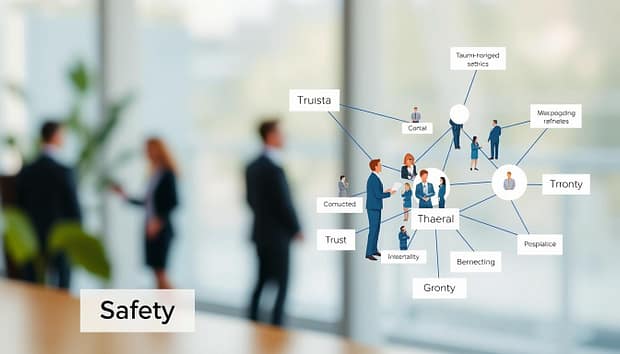
Coaches are often the first point of access to mental health care. Kids talk during cool-down laps or while tying cleats. That makes you a frontline observer, not a first responder. Your ethical duty, outlined in competencies like 1.5 (Confidentiality) and 1.10 (Referral), is to recognize when you’re out of your depth.
Do you know your state’s mandated reporting laws for suspected child abuse? If not, learn them yesterday. This isn’t bureaucratic red tape—it’s a legal and moral imperative. Your obligation to report suspected abuse overrides confidentiality. It’s the emergency brake on the trauma-informed care train.
Red flags extend beyond poor sportsmanship. We’re talking about signs of self-harm, expressed suicidal ideation (Competency 1.6), or disclosures of abuse. Your playbook needs a crisis protocol section.
The Referral Resource Matrix
Having a vetted list is non-negotiable. Don’t Google “therapist” during a crisis. Build your network proactively. Here’s what a robust system looks like:
| Resource Type | Primary Purpose | When to Engage | Sample Contact/Note |
|---|---|---|---|
| Licensed Therapist (LMFT, LCSW) | Ongoing trauma therapy, coping skills | Athlete shows persistent anxiety, depression, or trauma symptoms affecting performance & life | Dr. Chen – specializes in adolescent sports psychology |
| Crisis Hotline | Immediate suicidal ideation or severe crisis intervention | Any mention of self-harm or “not wanting to be here anymore” | 988 Suicide & Crisis Lifeline (call or text) |
| Child Protective Services (CPS) Hotline | Mandated reporting of suspected abuse or neglect | Disclosure or strong suspicion of physical, sexual, or emotional abuse | [Your State’s specific 24/7 hotline number] |
| Psychiatrist (MD) | Medication evaluation and management | When a therapist recommends pharmacological support for severe symptoms | Referral usually required from therapist or pediatrician |
| School Counselor | School-based support & academic coordination | Issues manifesting at school or affecting grades; good for collaboration | Establish contact at beginning of season |
A proper referral isn’t passing the buck. It’s the ultimate act of care. You’re providing the safe harbor while connecting the athlete to the shipwright who can fix the hull. This action solidifies the net of psychological safety you’ve been weaving.
Confidentiality has limits. Your athlete’s secret about a crush is safe with you. Their secret about wanting to end their life is not. Breaking confidence to save a life isn’t betrayal—it’s your highest duty. Document your concerns, follow your organization’s protocol, and make the call.
Remember: your awareness creates safety. Your preparedness enables action. Your network becomes their lifeline. Build it before you need it. That’s how you move from being just a coach to being a guardian of psychological safety.
Case Scenarios and Scripts
Ever wondered what makes empathy work with at-risk youth? It’s not just knowing the theory. It’s about choosing the right words when it matters most. Let’s move from theory to real talk.
Imagine this common scene. Your star player, Alex, misses an easy goal. Instead of moving on, he gets angry and pushes a teammate. The usual coaching response is clear.
Old Script: “Alex! Stay focused! That’s not okay—you’re out for the rest of practice!”
This method tackles the action, but misses the real reason. For a young person with trauma, being publicly scolded can be very hurtful. It makes them feel threatened, ashamed, and defensive.
Now, let’s try a different approach. You take Alex aside, keeping the conversation private. Your tone is calm, your body language open.
Trauma-Informed Script: “I saw you got really upset. Are you okay to talk about it now, or do you need a minute?”
Notice the change. First, you acknowledge the emotion without judging. Then, you ask for permission to talk. This small change shows respect and helps avoid defensiveness. It’s not being soft; it’s being smart.
Let’s look at another scenario. Maya, a talented but quiet player, often seems distant during instructions. She looks lost.
Old Script: “Maya! Pay attention! This is basic!”
This approach sees Maya’s withdrawal as a problem. But for someone with trauma, it’s a survival strategy. Publicly calling her out can make her feel worse.
Trauma-Informed Script: “Those complex plays can be tough. Would you like me to write them down for you, or break them down step by step?”
This script is all about working together and giving choices. You describe the challenge fairly. Then, you offer solutions and let Maya decide. You’re working together, not accusing her.
These aren’t just magic words. They’re tools to calm and connect. To see the pattern, let’s look at different situations.
| Triggering Scenario | Old School Response | Trauma-Informed Script | Core Principle Applied |
|---|---|---|---|
| Athlete becomes hypervigilant & aggressive after a mistake | Public reprimand & immediate benching | “That seemed to really affect you. Want to take a walk and reset?” | Safety & Permission |
| Player withdraws, avoids eye contact, seems “checked out” | “You need to be more engaged with the team!” | “I get that group talks can be overwhelming. Want to chat one-on-one later?” | Trust & Choice |
| Athlete struggles with new drills, shows frustration | “Everyone else gets it. Try harder.” | “This drill has a lot of moving parts. Which part should we break down together first?” | Collaboration & Empowerment |
| Player has emotional outburst, starts crying after criticism | “Toughen up. This is competitive sports.” | “I can see this is really hitting you. Let’s pause and get some water.” | Cultural Humility & Safety |
The table shows a pattern. Old responses blame the athlete. New scripts understand the struggle. One creates conflict; the other builds trust.
Changing how you talk to athletes is key. When they act out, think “They’re overwhelmed” instead of “They’re disrespecting me.” This change helps find better solutions.
The goal is clear communication that reaches the athlete. For coaches working with at-risk youth, these scripts are based on science. They’re not about being soft; they’re about building a strong connection.
Staff Training Checklist
Think of your trauma-informed checklist as the playbook for cultural change. It’s where theory meets the locker room floor. This isn’t about one enlightened coach. It’s about building a system where safety and trust are operational standards, not happy accidents.
Your checklist starts with education. Has every staff member grappled with ACEs and neurobiology? Can they explain the Six Principles without corporate jargon? Drill the protocols until de-escalation is muscle memory. Audit your referral network like it’s a playoff roster. Police your language, banishing terms like “lazy” or “weak” from your vocabulary.
The real test is sustainability. Coaches absorb trauma too. Who checks their emotional vitals? This is where your program’s human resources backbone matters. For a deeper dive into systemic implementation, review the Checklist for Trauma-Informed Human Resources Practices. It maps the entire employee journey through a trauma-informed lens.
Your checklist transforms good intentions into accountable action. It moves you from having a few “understanding” coaches to leading a truly resilient program. This is how you build a sports culture that doesn’t just manage behavior but transforms lives. The final score isn’t on the board. It’s in the wellbeing of every young athlete who walks through your doors.