
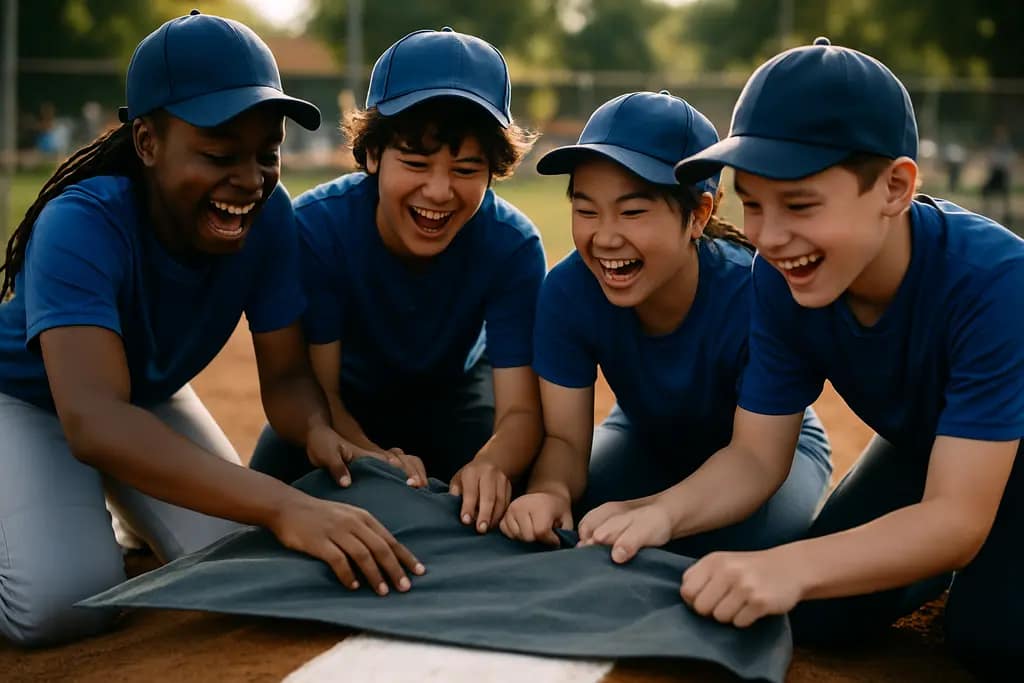
Softball Field Renovation at Union Local should be viewed as more than a construction project. It can become a shared effort that gives student-athletes a safer place to train, gives coaches a better setting for player development, and gives families a reason to gather around a school sport that already carries local pride. Because the research provided does not confirm a specific approved Union Local project scope, budget, timeline, or vote date, the strongest way to discuss the topic is through supported lessons from recent field upgrades in other communities.
For a school community, the field is often where younger players first picture themselves wearing varsity colors. It is where older athletes learn practice habits, handle pressure, support teammates, and represent their town. A field improvement plan, when shaped with public input, can connect softball with youth development, school spirit, and neighborhood care.
Recent examples show that communities are paying attention to drainage, lighting, seating, accessibility, playing surfaces, dugouts, and multi-use value. Those details matter because they shape whether a field feels welcoming for athletes, coaches, grandparents, younger siblings, and future players who are still learning the game from the fence line.
Softball Field Renovation Lessons For Union Local
The best field projects start with a simple question: who uses the space, and what helps them feel safe, included, and proud? For Union Local, that means listening to softball players, coaches, families, school leaders, grounds staff, youth league organizers, and neighbors who see the field as part of the community’s daily life.
Softball Field Renovation Priorities That Help Youth
A Softball Field Renovation is never only about the infield dirt or the outfield grass. It is about how the field supports player confidence and consistent coaching. Safe base paths, usable dugouts, clear sightlines, dependable practice space, and better field access all help young athletes focus on learning the sport instead of worrying about field conditions.
Joseph Hensley Park in Alexandria, Virginia offers a useful example because its renovation began in November 2023 and concluded in April 2026, with additions that included a natural turf softball field, a synthetic turf diamond field, LED field lighting, scoreboards, dugouts, batting cages, a pavilion, a playground, stormwater upgrades, expanded parking, ADA-accessible paths, and a maintenance building, according to ALXnow’s reopening report. The same report noted that public input had identified improved drainage, athletic fields, parking, trees, playground space, and accessibility as priorities.
That model fits a school sports setting because a softball field serves different needs at different times. Varsity teams need reliable practice conditions. Youth players need a place that feels safe and inviting. Families need access, parking, and seating. Coaches need a surface that supports drills without losing practice time after weather. A project becomes stronger when those needs are named early.
What Safe Access Means On Game Days
Access should be part of the sports conversation from the start. Paths, seating, dugout entry, parking, restrooms, and spectator areas shape who feels welcome. If grandparents, caregivers, young children, and people with mobility needs can move through the site more easily, softball becomes a fuller community event.
San Francisco’s Kimbell Athletic Field also shows how field upgrades can combine playability with public access. The field reopened on August 6, 2025 after replacing synthetic turf that was more than 14 years old with new turf using natural infill, replacing fences, installing ADA improvements, and upgrading site furniture such as bleachers, benches, and trash receptacles, according to San Francisco Recreation and Parks. For Union Local, that example points to the value of pairing athletic needs with everyday comfort for the people who support the athletes.
Community Involvement Builds Lasting Sports Value
Community involvement is where a school field project gains staying power. Families may help identify safety concerns. Coaches can explain how practice flow works. Players can describe what makes them feel prepared and respected. Maintenance staff can speak to drainage, field wear, and daily care. Youth softball leaders can help school officials think about the next generation of athletes.
From Public Input To Shared Ownership
For Union Local, a Softball Field Renovation conversation should welcome practical questions. What areas are hardest to maintain? Where do spectators gather? How does rain affect practices? Are dugouts, fencing, or seating limiting the athlete and fan experience? Do younger players have chances to connect with the high school program?
When residents see their feedback reflected in a project, the field can become a shared point of pride. That shared ownership often shows up in volunteer days, booster support, attendance at games, and younger athletes feeling connected to the school team before they reach high school. It also helps keep the project focused on people, not just facilities.
Sports-based youth programs work best when the field, the coaching culture, and the community support each other. A related Youth Rise piece on community impact through sports-based youth programs makes that same connection between athletic spaces and youth growth.
- Players need a field that supports safe repetition, skill work, and team confidence.
- Coaches need dependable spaces for practice structure, warmups, and teaching.
- Families need access, seating, parking, and a setting that encourages attendance.
- Younger athletes need visible pathways from youth softball to school teams.
- Neighbors need a site that is cared for and fits community use.
Youth Development Through Better Field Planning
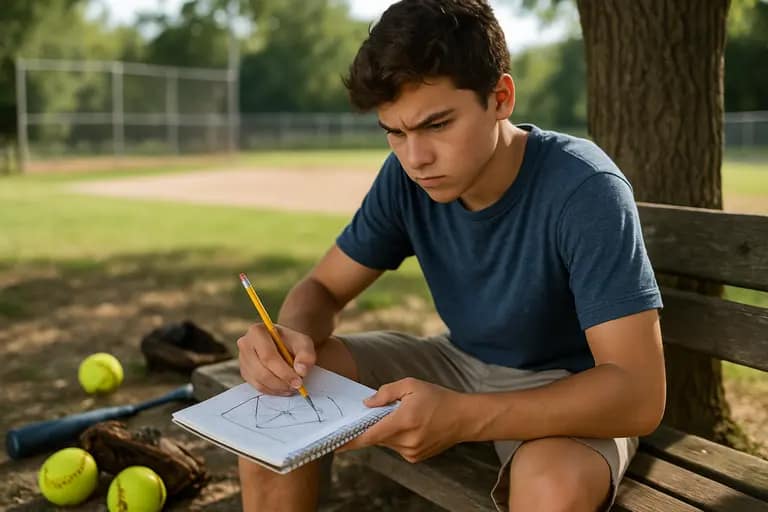
The best Softball Field Renovation plans help young people grow through sports. Softball asks athletes to handle failure, communicate under pressure, practice patience, and trust teammates. A better field does not replace good coaching, but it can give coaches a stronger setting for teaching those lessons.
Why The Field Shapes Player Confidence
A young athlete notices when her sport receives care. Dugouts that feel organized, an infield that plays fairly, safe fencing, and seating that brings family close to the action all send a message: this team matters. That message can help players take practice seriously and see themselves as part of something bigger than one game.
For Union Local, field planning can also support school culture. Softball games can bring together students, parents, alumni, teachers, youth league families, and local supporters. A stronger field can make those gatherings more comfortable, but the deeper value comes from the relationships built around the team.
Equity In Local School Sports
Field improvements also raise an equity question. Girls’ sports deserve facilities that match the commitment and effort of the athletes. If softball players are expected to train hard, represent the school, and lead younger students, the field should support that standard. Community members can help by asking fair, specific questions about safety, access, and long-term maintenance.
Because no confirmed Union Local project details were included in the research, any next step should begin with verified school or district information. Families and supporters can ask for the official scope, funding plan, timeline, maintenance plan, and opportunities for public input. That keeps the conversation accurate and respectful.
What Union Local Softball Field Renovation Can Build
A thoughtful Softball Field Renovation can build more than a better diamond for Union Local. It can build stronger links between varsity athletes and youth players, more visible support for girls’ sports, safer game-day experiences for families, and a clearer sense that school athletics belong to the whole community.
The strongest projects are grounded in facts, shaped by local voices, and measured by how well they serve young people. If Union Local moves forward with planning, the community can look to recent field projects for ideas while keeping the focus close to home: safer play, better coaching conditions, stronger school pride, and a softball setting that helps young athletes grow on and off the field.