
Cor Jesu Academy’s outdoor sports facility campaign is more than a construction plan; it is a school community choosing to bring practices, competitions, physical education, and traditions closer to students. The school’s “Do It With Heart” Campaign is described by Cor Jesu as the largest fundraising effort in its 70-year history, with a $13.1 million goal and more than $11,533,956 in commitments as the campaign entered its community phase Cor Jesu campaign details.
That level of support tells a hopeful local sports story. Families, alumnae, coaches, and students are backing a project meant to reduce off-campus travel for practices and competitions while giving more school life a home base. As of September 9, 2026, Cor Jesu had raised over $11 million toward the $13.1 million goal St. Louis Call report. For young athletes, that kind of planning can mean more time with teammates, a steadier training setting, and a stronger connection between school pride and daily development.
Why The Outdoor Sports Facility Matters
Outdoor Sports Facility Access For Daily School Life
The planned outdoor sports facility is built around access. Cor Jesu’s public campaign plan lists an eight-lane track and multi-purpose turf field with lights, a press box, locker rooms, restrooms, and a concession stand; a home softball field with dugouts, spectator seating, and a movable outfield fence; eight new tennis courts; and a reimagined front field with multi-purpose turf for soccer, lacrosse, field hockey, and community events campaign facility plan. Those details matter because they point to a campus model where training, team gatherings, and school events can happen in one place.
For students, the practical benefit is simple: less time spent crossing the St. Louis area for practices and competitions, and more time spent learning, resting, leading, and bonding. Cor Jesu says students often travel around the St. Louis area for athletics now, and the campaign goal is to bring more practices and competitions home to campus Cor Jesu access goal. That shift can support coaches who need consistent practice windows, students who balance academics with sports, and families who plan around school-day schedules.
From Shared Space To Shared Identity
A field, track, court, or dugout becomes meaningful when students return to it day after day. The facility plan is not limited to varsity moments or competition nights. The school has said the benefits are meant for the entire student body and broader community, including physical education classes, student activities, school traditions, and events that can happen on campus rather than off-site community benefit report. That makes the project a program model as much as a facilities plan.
Sports can teach young people how to show up for one another. A campus space that hosts training, class activity, and school traditions gives students more chances to practice leadership in ordinary moments: helping a younger teammate through a drill, cheering from the sideline, cleaning up after an event, or learning how to represent a school with care. Those small habits are part of youth development, and they grow stronger when a school community has a shared place to gather.
How Fundraising Connects Sports And Access
A Campaign With A Clear Student Purpose
Cor Jesu’s campaign shows how sports fundraising can connect bricks-and-mortar planning with student access. The school has reported that strengthening the Cor Jesu endowment was part of the “Do It With Heart” effort, and that alumnae giving more than doubled the original $1.5 million endowment target by contributing over $3.5 million endowment campaign update. That matters because a sports project can serve students best when it is paired with a wider commitment to participation and school belonging.
The outdoor sports facility also reflects a fundraising model rooted in many roles. Donors help make the work possible, but the benefits can reach students who compete, students who take physical education, students who join activities, and families who gather for school events. A strong campaign does not treat athletics as separate from school life. It places sports inside the daily rhythm of learning, friendship, and community care.
What The Giving Numbers Show
The campaign’s scale is significant, but the more useful lesson for other schools is the connection between a clear need and a clear community ask. Cor Jesu identified off-campus athletic travel, facility access, and on-campus gathering space as needs, then paired those needs with a campaign goal. By October 5, 2026, the publicly available campaign page stated more than $11.5 million in commitments toward the $13.1 million effort official campaign progress.
That progress can encourage other school communities to think carefully about their own sports infrastructure. A facility project is easier for families and alumni to understand when it answers real student questions: Where do teams practice? Where can classmates cheer? Where can physical education happen safely and consistently? Where do traditions live? Readers comparing school facility models may also appreciate our related feature on coaching support and school pride, which shares a similar interest in how young athletes grow when schools invest in their environments.
Program Lessons For Local Youth Sports
Designing For More Than Competition
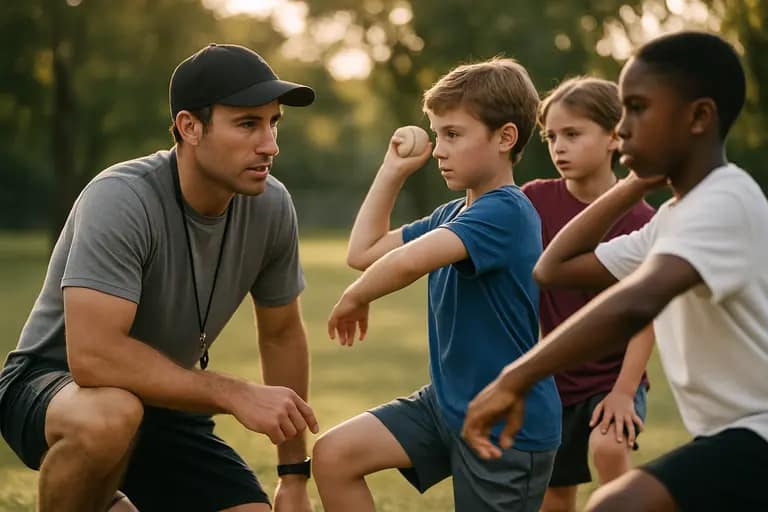
The strongest youth sports facilities are not built only for scoreboards. They are built for attendance, practice, recovery, school culture, and the steady routines that help students grow. Cor Jesu’s plan includes spaces for several sports, including track, softball, tennis, soccer, lacrosse, and field hockey, while also naming community events as part of the front field’s use sports and event uses. That range supports a healthier campus sports model because it spreads the benefits across teams and student groups.
Multi-use planning can also help a school protect participation. If a field or court serves only one team, its value may feel narrow. If the same project supports physical education, team training, student activities, and traditions, the whole community can see itself in the investment. That shared sense of ownership can build pride without making sports feel separate from the rest of school life.
Reducing Travel, Building Belonging
Bringing more sports activity back to campus can change the feel of a school day. Students who practice close to classrooms may have more chances to stay connected with teachers, classmates, and after-school routines. Families may find it easier to attend events when the campus becomes the central gathering point. Coaches may gain a steadier setting for player development, especially when practices are not split across different locations.
The outdoor sports facility is scheduled to begin construction in November 2026, and Cor Jesu expects the renewed campus spaces to be unveiled in early summer 2027 construction schedule. Those dates give the community a defined timeline while also showing that the work is still ahead as of October 5, 2026. For students watching the project move forward, the timeline can turn fundraising into something visible: a shared promise becoming a place where future classes can run, practice, compete, and gather.
Why Cor Jesu’s Project Matters For St. Louis Youth
Cor Jesu’s effort offers a positive local example of how schools can use sports planning to strengthen community ties. The campaign is about fields and courts, but it is also about the student experience around those spaces. A home field can become a place where a new player learns confidence. A track can become a place where classmates encourage each other through hard workouts. Tennis courts and turf fields can become settings where students learn discipline, patience, and teamwork.
The outdoor sports facility plan also reminds us that youth development needs places where young people are seen and supported. When a school invests in shared athletic space, it can create more moments for families to gather, for coaches to mentor, and for students to feel that their effort matters. Cor Jesu’s fundraising progress shows what can happen when a school community connects generosity with a clear purpose: better access, stronger belonging, and more chances for young people to grow through sports.