
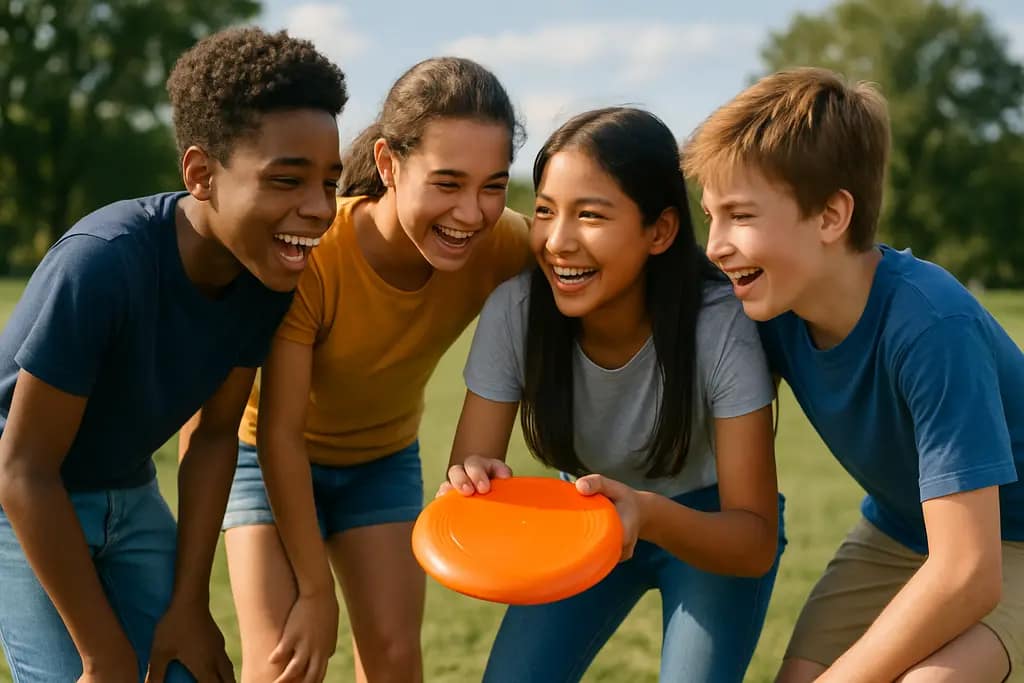
Oakland Ultimate Frisbee has grown into a clear school-based model for youth engagement because it connects regular practices, school-day physical education support, and no-cost access for families. Ultimate Impact says it provides free, long-term, school-based Ultimate Frisbee programming at more than 35 Title I schools in San Francisco and Oakland through its programming model. In Oakland, the model matters because access is not treated as an add-on; it is built into how students meet coaches, try the sport, and return week after week.
As of September 9, 2026, the Eat.Learn.Play. Foundation reported that Ultimate Impact was serving 10 Oakland schools, including West Oakland Middle School. At that campus, the program included weekly after-school practice sessions, weekly support for PE classes, and free registration, uniforms, equipment, and transportation through the Oakland school partnership. Those details are more than program logistics. They show how a school sport can remove common barriers before a young person is asked to compete.
Oakland Ultimate Frisbee As A School Model
Why School-Based Access Changes Participation
For many students, the first barrier to sports is not interest. It is cost, transportation, schedule pressure, or the feeling that a team already belongs to someone else. A school-based Ultimate Frisbee program can meet students where they already are. PE class support gives young people a low-pressure introduction to throwing, catching, spacing, communication, and movement. After-school practices then give interested students a path to keep learning with peers they already know.
That matters in Oakland schools because belonging often starts before a child signs up for a team. A student who tries a new sport during the school day may be more willing to stay after school if the same coaches return, the equipment is provided, and transportation has been considered. This structure respects families as partners. It also helps coaches focus on teaching effort, trust, and communication rather than spending the first weeks solving access problems.
Oakland Ultimate Frisbee In School-Day Support
Oakland Ultimate Frisbee also offers a useful lesson for schools that want sports to support student development, not just competition. Ultimate is built around shared responsibility on the field. Players have to move without the disc, communicate with teammates, and learn how space opens when everyone contributes. Those habits transfer well to school settings, where students are asked to practice patience, self-control, and positive peer relationships.
Ultimate Impact’s “coach &” model, in which all full-time staff also serve as youth coaches, gives the program another youth development layer. Students are not only seeing rotating instructors for a single clinic. They are building relationships with adults who return to the field, the gym, and the school community over time. For middle school students, that consistency can be the difference between trying a sport once and seeing themselves as part of a team.
How The Program Lowers Barriers
No-Cost Essentials Help Families Say Yes
Free registration, uniforms, equipment, and transportation are practical supports, but they also send a message. They tell students that participation is not reserved for families with extra money, flexible work schedules, or prior club sports experience. In a city where families may be balancing school pickups, commutes, caregiving, and after-school needs, those supports can make the invitation feel real.
For local coaches and school leaders, this is one of the strongest parts of the model. A team cannot build trust if students are left out because they lack a jersey, a ride, or a way to pay. The no-cost design helps shift attention back to the sport itself: learning to cut into open space, reading teammates, throwing with confidence, and showing respect during play. Those are coachable skills that build pride for students who may not have joined a traditional school team.
Inclusive Play Builds More Than Rosters
Inclusive sports work is not only about filling roster spots. It is about creating conditions where students feel safe trying, failing, improving, and leading. Ultimate Frisbee is well suited for that aim because many students encounter it for the first time at school. New players can begin together, which lowers the pressure that sometimes comes with sports where some children have years of outside training.
For local youth programs, the lesson is clear: access has to be planned before the first practice. That means thinking about who has equipment, who can stay after school, who knows the rules, and who needs encouragement to step onto the field. Communities studying other sports-based models can compare these choices with broader work in sports-based youth programs, where safe places to play and trusted adults are often the foundation for growth.
What Coaches And Schools Can Learn
Relationships Are Part Of The Practice Plan
Strong youth sports programs do not happen through drills alone. They grow through routines that help students know what to expect and who they can trust. A weekly after-school rhythm gives coaches time to notice which players are gaining confidence, which students need support, and which young leaders are ready for more responsibility. The sport becomes a setting for teaching effort, listening, and accountability.
For local schools, this approach can support campus culture. A coach who also understands the school setting can connect the language of practice with the language students hear during the school day. A reminder to communicate on defense can sit alongside a reminder to listen in class. A post-practice check-in can give students a chance to name what they learned, not only whether they won a scrimmage.
School Partnerships Make Growth More Stable
For local schools, Oakland Ultimate Frisbee shows the value of linking outside sports partners with daily school life. A standalone clinic can spark interest, but a long-term school partnership can build a steady youth pipeline. Students can begin in PE, continue in after-school practices, and grow into teammates who welcome younger players. That type of structure is especially helpful in middle school, when students are forming habits around identity, friendship, and responsibility.
The model also gives school staff a partner in positive activity after the final bell. After-school hours can be a powerful time for support, and sports give that time shape. Players have a place to go, a coach expecting them, and teammates who notice if they are absent. That sense of being seen is one of the quiet strengths of community sports.
Why Oakland Ultimate Frisbee Matters For Youth Engagement
The value of Oakland Ultimate Frisbee is that it treats youth engagement as a daily practice. Students are invited into a sport, but they are also invited into relationships, routines, and shared goals. The field becomes a place where a young person can learn how to ask for help, encourage a teammate, recover from a mistake, and take pride in steady improvement.
For Oakland schools, the model offers a practical path: keep the sport close to campus, remove cost and transportation hurdles, build consistent coaching relationships, and use play as a setting for leadership. Not every school community will copy the same structure, and the available research does not give public participation totals for every campus. Still, the supported facts point to a promising direction. When sports are designed around access and belonging, students gain more than a new activity. They gain another trusted place to grow.