
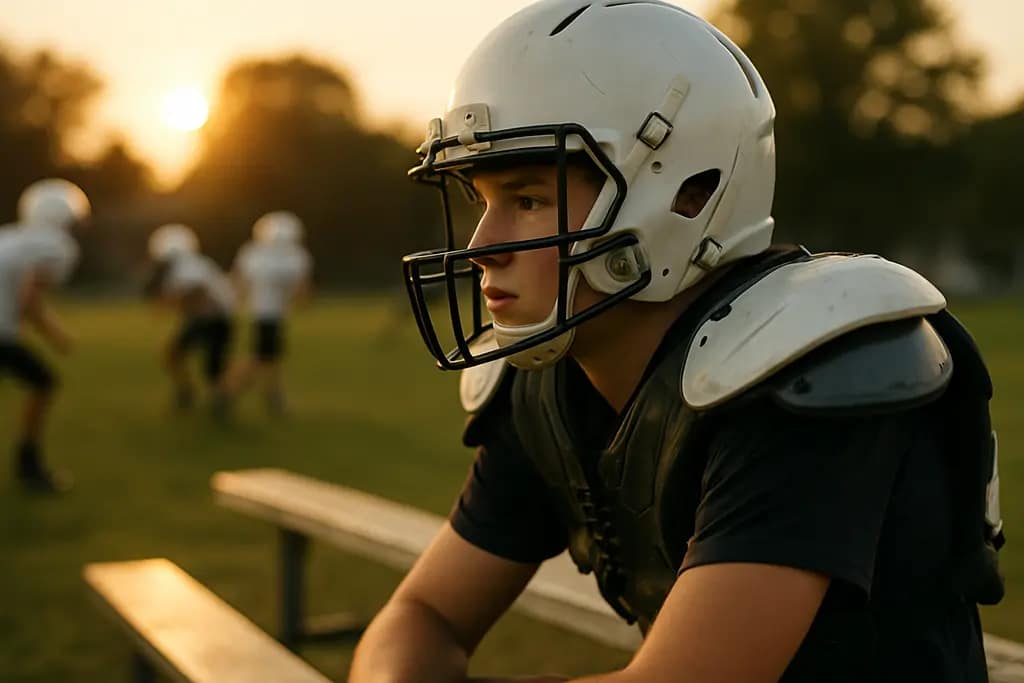
Klein Cain Football offers a strong coaching lesson for any community that cares about young people: wins matter, but the best programs use football to build habits, confidence, accountability, and pride that last well beyond one scoreboard. At Klein Cain High School in Houston, that growth has been tied to consistent leadership since the campus opened in August 2017, with James Clancy serving as Head Football Coach and Campus Athletic Director from the school’s founding period in January 2017, according to the official Klein Cain athletics bio.
As a coach and mentor, I look at a program like this through two lenses. The first is competitive: Is the team prepared, disciplined, and improving? The second is personal: Are student-athletes learning how to handle pressure, support teammates, and carry themselves with purpose in the classroom and around campus? The best high school programs answer both questions with their daily work, not just with a good record in one season.
Klein Cain’s football story is still young compared with long-standing Texas programs, yet its early record shows a clear standard. Coach Clancy has led the Hurricanes to the playoffs in six of their first seven varsity seasons. The program also won bi-district titles in four of those seasons, captured district championships in 2022 and 2024, and Clancy earned District Coach of the Year honors in both championship seasons, as listed by Klein Cain Athletics. Those facts point to more than talent alone. They point to structure, repetition, and a staff culture that helps teenagers understand what steady work looks like.
Klein Cain Football As A Development Model
Klein Cain Football Starts With Consistency
Consistency is one of the first gifts a coach can give a young athlete. Teenagers grow best when expectations are clear and adults follow through. In football, that means showing up for offseason training, learning assignments, accepting correction, and understanding that every practice period has a purpose. In life, it means keeping commitments when no crowd is watching.
For a campus that opened in 2017, stable leadership has helped set the tone. A founding head coach who also serves as campus athletic director can connect football standards with broader school values. That does not mean every season will look the same. High school rosters change, senior classes graduate, and younger players need time. The value is in having a shared language across the program: prepare the right way, compete the right way, and represent the school the right way.
What The 2024 Record Shows
The Hurricanes’ 2024–25 season gave a clear example of competitive progress. Klein Cain finished 9–2 overall, went 7–1 in district play, and ended the season ranked No. 71 in Texas by MaxPreps, based on the team’s MaxPreps 2024-25 team stats. A record like that matters because it reflects week-to-week execution, but it should also be read as a sign of player growth inside a school setting.
In a high school locker room, a strong season is built by many roles. Starters have to perform. Scout-team players have to prepare the starters. Injured players have to stay engaged. Younger athletes have to learn from older ones without rushing the process. When a team wins at that level, it usually means the daily habits are reaching beyond the top of the depth chart.
Coaching Structure That Builds Trust
Mentorship In Daily Work
Player development is often discussed through speed, strength, skill, and recruiting. Those pieces matter, but the human side comes first. A young athlete needs to know that correction is not rejection. He needs adults who can demand effort while still showing care. He needs teammates who hold him to a standard without cutting him down.
That is where coaching structure matters. A head coach sets the program direction, but a full staff carries the message into position meetings, weight-room sessions, film review, special teams periods, and sideline conversations. The research notes for this topic identify a deep and specialized staff around the program, including leaders in campus athletics, sports performance, offensive work, and strength and conditioning. The specific value is not in a title alone. It is in how many responsible adults are present to teach young people how to respond after a missed block, a poor grade, a tough loss, or a hard conversation.
As coaches, we should never forget that a teenager may remember how we treated him after a mistake more than he remembers a play call. A program that teaches response habits is preparing athletes for college, work, family, and community life.
From School Pride To Youth Pathways
Klein Cain Football also matters because younger students in the area can see a local example of what development looks like. When elementary and middle school athletes watch high school players compete with energy and discipline, they gain a picture of what is possible. That picture can influence whether a young person joins a team, stays active, listens to a coach, or begins to see school as a place where he belongs.
The program has also shown that development can reach high levels. Klein Cain produced its first two NFL players in spring 2025, Matthew Golden with the Green Bay Packers and Jaydon Blue with the Dallas Cowboys, according to the official athletics bio. Most high school players will not reach professional football, and we should be honest with families about that. Still, examples like these can motivate younger athletes when they are framed the right way: not as shortcuts to fame, but as proof that daily effort, coaching, family support, and school commitment can open doors.
Player Development Beyond Friday Night
Academic Habits And Athletic Habits
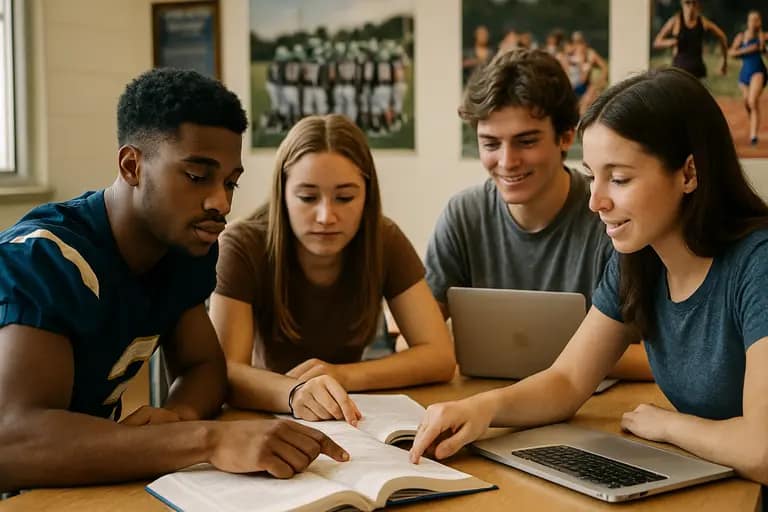
A football program inside a school has a responsibility that club teams and private training groups do not carry in the same way. The athlete is a student first. That means coaches have a chance to connect the habits of football with the habits of learning: be on time, ask questions, prepare before the test, review mistakes, and keep going after a setback.
The research provided for this topic notes academic recognition for the 2023 team, including a strong team grade-point average and many academic honors. Because the available source list for this article is limited, those academic details should be read with care rather than overstated here. The larger coaching point remains sound: the same structure that helps a player learn a coverage check can help him learn how to study, plan, and take responsibility for his future.
Community Impact Starts With Belonging
High school football can bring a community together in a way few school activities can. Families gather. Younger children watch older students lead. Teachers see students in a different light. Local pride grows when the team reflects the values people want for their neighborhood.
Belonging is not a soft benefit. For many teenagers, belonging is what keeps them connected during hard years. A football program gives students a place to be after school, adults who know their names, and teammates who depend on them. That support can help a young person make better choices because he feels seen and needed. The scoreboard may bring people to the stadium, but belonging is what keeps a program healthy.
- For players: the program can teach discipline, teamwork, leadership, and response to adversity.
- For families: it can create shared school pride and a safe place to support young people.
- For younger athletes: it can provide visible role models close to home.
- For the school: it can connect athletics, academics, and campus culture under one standard.
Why Klein Cain Football Matters In Houston
The reason Klein Cain Football deserves attention is not only that the Hurricanes have won district titles, reached the postseason often, or helped produce high-level athletes. The deeper lesson is that a young program can set a strong identity when adults are aligned, expectations are clear, and students are coached as whole people.
Houston-area football is full of talent, but talent alone does not shape a young man. Coaching does. Family support does. School structure does. Teammates do. A program becomes meaningful when it gives students a reason to work, a standard to chase, and a community that celebrates growth as much as Friday night success.
For coaches watching from other campuses, the takeaway is practical: build the person while building the player. Teach technique, but also teach responsibility. Celebrate wins, but also celebrate the athlete who improves his attendance, learns how to lead a warmup, helps a younger teammate, or responds well after being corrected. That is the kind of development that can lift a locker room and strengthen a school community.