
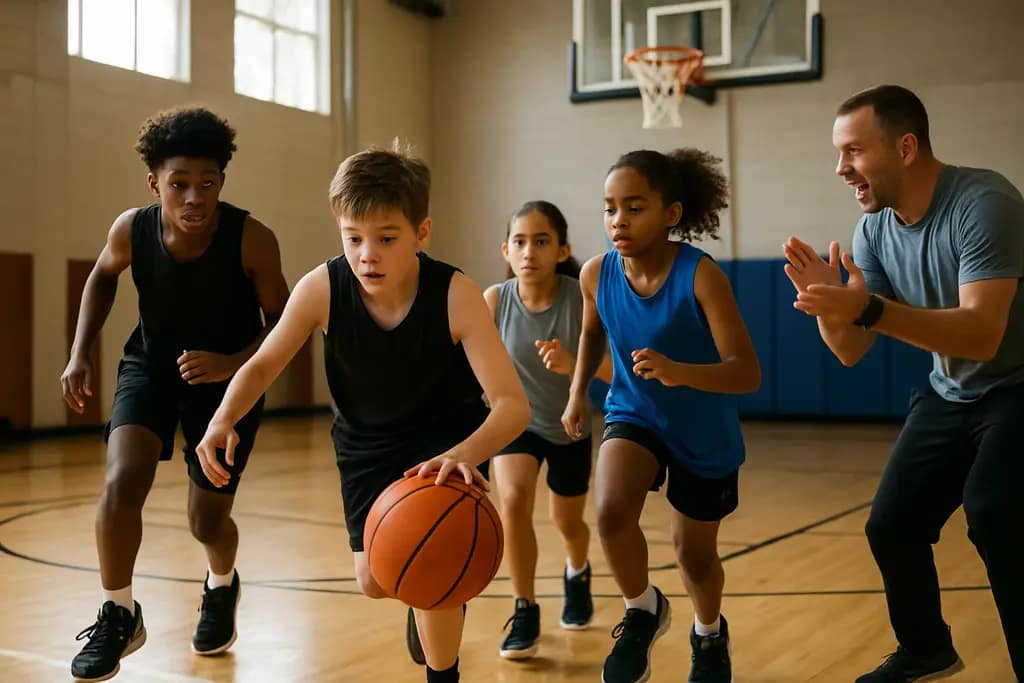
Indianapolis Youth Sports can give young people more than a roster spot. At their best, teams become steady places where youth practice commitment, handle feedback, build friendships, and begin to see work habits that connect to school and future jobs. For Indianapolis communities, that matters because sports are not isolated from neighborhood life. A gym, field, court, or diamond can also become a meeting point for families, coaches, mentors, and local employers who care about what happens after the final whistle.
Logan Pierce views sports-first programs as one of the most practical ways to support youth development. The value is not only in competition, but in structure. A young athlete learns to show up, communicate, recover from mistakes, and stay with a plan. Those lessons can carry into class, training programs, summer jobs, and early career steps. The clearest verified local data shows that greater Indianapolis already has a sizable youth sports base, which gives the city a strong starting point for deeper community impact.
How Indianapolis Youth Sports Build Growth
Indianapolis Youth Sports And School Connection
Research supports the idea that sport can connect with learning, though the effect depends on program quality, time demands, and setting. A 2021 systematic review and meta-analysis of 115 studies and 298 effect sizes found that youth sport participation had a small positive effect on academic performance overall, with an effect size of d = 0.26 and a 95% confidence interval of 0.09 to 0.42 PubMed review. That finding should be read with care: sports alone do not guarantee stronger grades. Still, it gives community leaders a useful signal. When athletics are paired with attendance support, homework expectations, healthy routines, and caring adults, sports can become part of a broader school-support plan.
For a student, the connection can feel simple. Practice adds rhythm to the week. Coaches ask about effort, not only scoring. Teammates notice when someone is absent. Those small signals help young people feel accountable to a group. In communities where students may face uneven access to safe activities after school, that consistency can be meaningful. A well-run team gives youth a place to belong while building habits that also matter in the classroom.
Growth Through Coaching And Belonging
The best coaches teach skills in ways that reach beyond sport. A basketball coach who pauses practice to talk about listening is teaching workplace communication. A soccer coach who rotates leadership during warmups is giving youth a chance to practice responsibility. A baseball or softball coach who talks through an error without shaming the player is helping that athlete learn composure. These moments shape personal growth because they turn pressure into practice.
The size of Indianapolis Youth Sports matters because these lessons can reach many families when programs are organized with care. The 2024-25 Indianapolis Sports Economic Impact Report found that organized travel and youth sports in greater Indianapolis included at least 42,355 players and 2,396 coaches across 161 clubs and organizations IU Indianapolis report. Those numbers point to a wide community network. Each coach, volunteer, and team manager can help set the tone for whether sports feel welcoming, demanding, and supportive.
From Playing Time To Career Pathways
Sports Jobs Start Close To The Court
Career pathways in sports are often easier for youth to picture when they can see adults working around them. Young people may first notice the head coach, but a local sports setting also includes assistant coaches, officials, facility staff, athletic trainers, tournament workers, communications support, scheduling help, and operations staff. Not every athlete will play in college or professionally, but many can learn that sport connects to real work. That shift is powerful because it widens the meaning of success.
The Indianapolis sports base already includes paid work tied to youth programming. The same 2024-25 report found that club revenues in organized travel and youth sports exceeded $32.7 million, with about $4.48 million in wages paid and more than 300 employees involved in youth sports operations IU Indianapolis report. For youth development leaders, those figures are not just economic data. They show that sports can introduce young people to local work settings where planning, service, communication, budgeting, and leadership are needed.
Career Readiness Built Into Practice
A pathway does not need to begin with a formal job title. It can start when a teen helps younger players set up cones, learns how to keep score, assists with check-in at a tournament, or shadows a coach during practice planning. These are early steps toward confidence and responsibility. They also allow youth to test interests before choosing a training program or career direction.
Strong programs can connect playing time with work-readiness in clear ways:
- Give older athletes safe leadership tasks, such as helping with warmups or mentoring younger players.
- Invite officials, coaches, trainers, and operations staff to explain how they entered their roles.
- Track attendance, teamwork, and communication as skills youth can describe in resumes and interviews.
- Partner with schools and community groups so sports support graduation, credentials, and early work experience.
For a local angle on this same idea, Youth Rise has also covered sports and career readiness as a pathway for young people who need practical entry points into opportunity. The shared message is clear: sports can be a front door to growth when adults design programs around more than wins.
Design Choices That Keep Youth Connected

Access Shapes Who Benefits
Sports-based youth development depends on access. If fees, travel, equipment, or schedule pressure keep young people out, then the benefits reach only part of the community. Indianapolis Youth Sports programs can respond by using school gyms, neighborhood parks, shared equipment, volunteer support, and partnerships that reduce cost barriers. Equity is not an add-on. It is central to whether sports serve the whole city.
Access also includes emotional safety. Youth stay connected when they feel known by name and respected as people. Coaches can build that culture by setting clear expectations, praising effort, correcting behavior without humiliation, and giving families regular communication. This approach helps young athletes learn that accountability and care can exist together. It also gives parents and guardians confidence that the program supports the whole child.
Measuring What Matters
Scores and standings are easy to count, but community impact needs broader measures. Programs can track attendance, school connection, retention, leadership opportunities, volunteer hours, and youth movement into training or work experiences. They can also ask young people whether they feel safer, more confident, and more connected to adults. These measures help funders, schools, and community partners understand what is working.
Measurement should not make programs feel cold or distant. It should help adults keep promises to youth. If a program says it builds confidence, it can ask athletes how often they take leadership roles. If a league says it supports career pathways, it can record how many teens learn about coaching, officiating, event operations, or related jobs. Better information can help communities invest in the models that keep young people engaged.
Why Indianapolis Youth Sports Matter For Pathways
Indianapolis Youth Sports matter because they sit at the point where play, learning, family connection, and local opportunity meet. The city already has a large organized youth sports footprint, and research points to a positive link between sport participation and academic performance when programs are balanced and supportive. The next step is design: make every practice a place where youth build habits, see career options, and feel connected to adults who expect their best.
For Indianapolis communities, the strongest sports programs will keep asking a simple question: what does this young person gain after the game ends? If the answer includes confidence, school connection, leadership practice, and a clearer view of future work, then sports become a community improvement tool. That is the promise worth building around, one team and one neighborhood at a time.