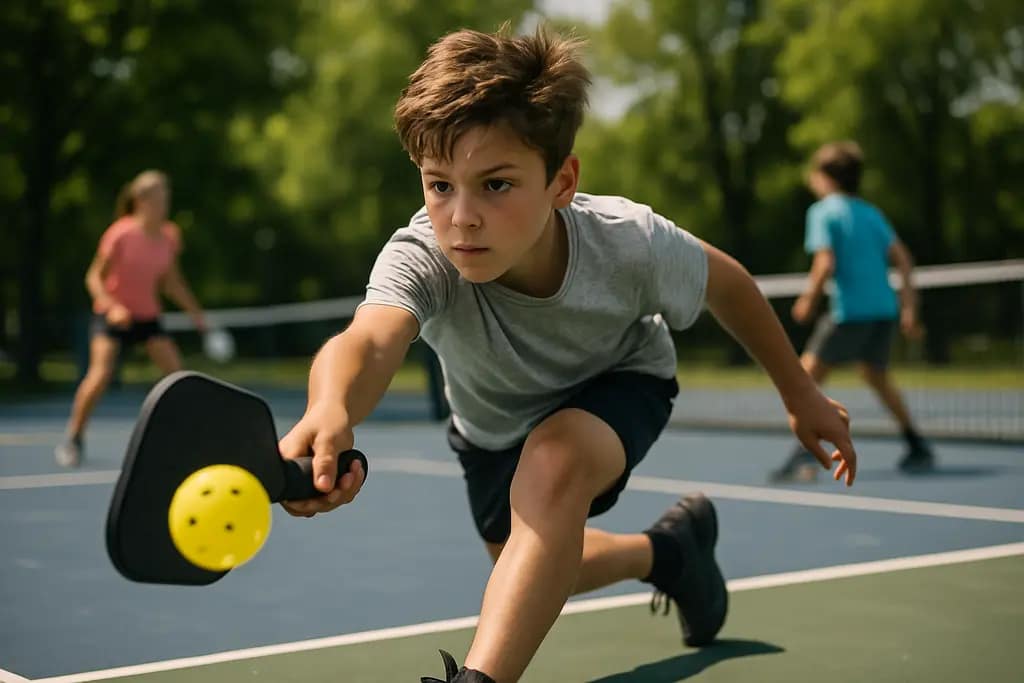
Huntsville Pickleball Youth is becoming a hopeful local sports story because the city’s growth in pickleball is tied to real access: public courts, indoor programming, tournament activity, and family-friendly recreation spaces. The available public reports track citywide participation rather than a youth-only headcount, so the most responsible way to read the youth angle is through opportunity. Young players now have more places to learn, more chances to watch skilled play, and more reasons to see sport as part of daily community life.
That matters because pickleball can meet young people where they are. It is easier to start than many equipment-heavy sports, it can be played across ages, and it creates natural openings for parents, grandparents, coaches, and peers to share the same court. In a city where participation is rising fast, the sport can become more than a recreational trend. It can support confidence, patience, communication, and healthy competition.
For Huntsville families, the story is not only about rankings. It is about whether a child can find a safe court after school, whether a beginner feels welcome, and whether local sports growth can strengthen bonds between neighborhoods, schools, and recreation centers.
Why Huntsville Pickleball Youth Is Rising
Huntsville Pickleball Youth And Access
During a 12-month span through October 2026, Huntsville recorded a 70.6% increase in new user registrations on DUPR, the Dynamic Universal Pickleball Rating system, ranking No. 2 among the fastest-growing U.S. pickleball cities, just behind Cleveland at 71%, according to Axios Huntsville. That citywide figure does not isolate school-age players, but it gives families and youth coaches a clear signal: more people are entering the sport, which usually means more shared knowledge, more beginner partners, and more informal learning around public courts.
The same report noted several access points that matter for youth development. The John Hunt Park Recreation Center complex opened in June 2026 with 25 covered, lit courts plus a championship court. Huntsville Parks & Recreation offered more than 30 indoor pickleball programs per week across recreation centers as of fall 2026. Huntsville also had 44 dedicated outdoor pickleball courts as of October 2026, not counting private or fee-based facilities. For young athletes, that scale reduces one of the biggest barriers in community sports: finding a consistent place to practice.
Why Public Growth Matters For Beginners
Sports confidence often starts with repetition. A child who can try a new serve, miss a return, laugh with a partner, and come back the next day is building more than hand-eye coordination. They are learning how improvement works. Pickleball’s shorter court and doubles-friendly format can make those early experiences less intimidating, especially for youth who may not see themselves as traditional team-sport athletes.
The growth also creates a wider support circle. A recreation center session can connect a beginner to a patient adult player. A public court can help siblings play together. A tournament at a city facility can show young people what organized competition looks like without requiring long travel. Those small moments help make local sports feel reachable.
Public Courts Turn Growth Into Development
What The Numbers Show
Since opening in June 2026, the John Hunt Park pickleball complex recorded an estimated 27,500 visits and hosted 11 official tournaments. The Sandra Moon Community Complex also features 12 lighted, regulation-size pickleball courts, according to the City of Huntsville Blog. For Huntsville Pickleball Youth, those numbers point to something practical: the city has not only added courts, it has created places where regular play and organized events can happen.
Visits and tournaments serve different youth needs. Casual visits help new players build comfort. Tournaments bring structure, rules, match pacing, scorekeeping, and sportsmanship into view. Even when a young person is not competing, watching organized play can teach movement, spacing, communication, and emotional control. A player sees how partners talk between points, how opponents handle mistakes, and how matches reset after momentum shifts.
Covered And Lighted Courts Support Consistency
Covered and lighted facilities are not just amenities. They can shape participation habits. In North Alabama, heat, rain, and family schedules can make outdoor play uneven. Covered courts can help reduce weather disruptions, while lighting can give families more flexibility after school and work. Consistent access is especially helpful for youth who need routine to stay connected to a sport.
Reliable facilities also help coaches and recreation staff plan better beginner experiences. A weekly clinic is easier to build when the court schedule is dependable. A family night is easier to promote when parents know the facility can support play after dark. A youth group can learn basic rotations, safety, and court etiquette when space is available often enough for skills to stick.
Coaching Culture Around Shared Courts
Mentorship Can Start With Simple Drills
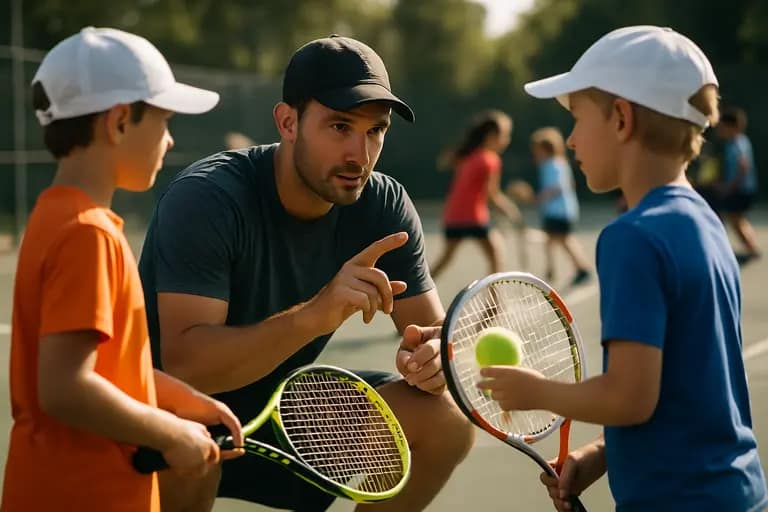
Pickleball’s growth in Huntsville gives the community a chance to build a coaching culture that values encouragement as much as performance. Young players benefit when adults explain rules calmly, celebrate effort, and model fair play. A first lesson does not need to be complicated. It can begin with ready position, paddle control, calling the score, and thanking a partner after a rally.
These early lessons connect sports with youth development in clear ways. A young player who learns to call balls honestly is practicing integrity. A doubles partner who learns to communicate before each serve is practicing teamwork. A beginner who loses a match and asks to play again is practicing resilience. Those habits carry into classrooms, clubs, and family life.
How Schools And Families Can Share The Opportunity
Because the public reports do not provide a youth-only participation count, local leaders should be careful not to overstate the data. Still, the infrastructure gives schools, recreation centers, and families a strong base for age-appropriate programming if they choose to use it. The goal should be simple: make the first experience safe, welcoming, and repeatable.
- For families: Start with short play sessions, clear safety rules, and mixed-age games where young players can learn without pressure.
- For coaches: Build beginner drills around movement, communication, and sportsmanship before focusing on match results.
- For schools: Consider pickleball as a low-barrier activity for physical education units, after-school clubs, or family recreation nights.
- For community groups: Use public courts as gathering places where youth can meet mentors and practice healthy competition.
Huntsville can also learn from other youth-centered sports efforts that connect inclusion with school life. The same spirit appears in sports inclusion work in Kingwood, where school sports became a bridge between students, athletes, and community support. Huntsville’s pickleball growth offers a similar opening: use sport as a meeting place, not just a scoreboard.
What Huntsville Pickleball Youth Means For Families
A Community Win Worth Protecting
Huntsville Pickleball Youth is best understood as a community opportunity shaped by citywide momentum. The hard data shows rapid registration growth, expanded court capacity, weekly indoor programming, heavy use at John Hunt Park, and tournament activity. The youth-specific numbers are not yet public in the cited reports, so the next step for local partners is measurement: track beginner sessions, age ranges, school partnerships, repeat participation, and family feedback.
That kind of tracking would help Huntsville see which children are being reached and which neighborhoods still need support. It could also help recreation leaders plan beginner clinics, adaptive options, and school-friendly court times. Growth is strongest when it includes the child trying a paddle for the first time, the teen looking for a positive after-school outlet, and the family searching for an activity they can share.
If Huntsville protects access, keeps beginner spaces welcoming, and connects facilities with youth development goals, pickleball can become a lasting local sports pathway. The city’s rise is already visible in the numbers. The deeper win will be seen in young people who gain confidence, friendships, fitness habits, and a stronger sense of belonging through time on the court.