Games of Texas is more than a multi-sport date on a civic calendar. The event gives young athletes a stage, brings families into local hotels and restaurants, and gives city leaders a clear example of how youth competition can feed community growth without losing sight of player development.
For communities across Texas, the best sports events do two jobs at once. They welcome teams with organized venues, steady game-day operations, and family-friendly planning. They also create a reason for schools, parks departments, volunteers, local businesses, and youth programs to work from the same playbook. That shared effort is where the lasting value begins.
Why The Games of Texas Matter Locally
Games of Texas Impact In Bryan And College Station
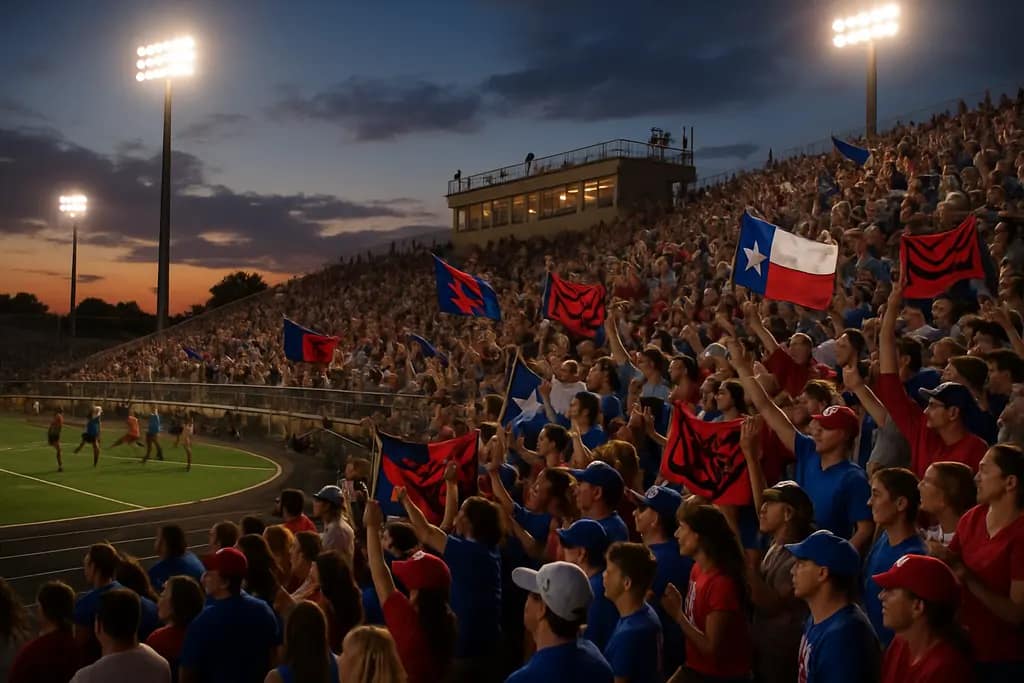
The 2025 Texas Amateur Athletic Federation’s Summer Games of Texas took place from July 31 through August 3, 2025, in Bryan and College Station. According to the City of Bryan, the event attracted more than 7,100 athletes and more than 10,300 coaches, family members, and friends, with an estimated $6.5 million local economic impact City of Bryan report.
That number matters because it reflects more than receipts. Each visiting family needed meals, parking, lodging, fuel, and places to gather between competitions. Each athlete also needed a well-run competition setting where effort, preparation, and sportsmanship were visible to parents and younger siblings. A city that hosts well is not only serving visitors; it is showing local children that organized sports can be part of civic life.
A Sports Event With Family Reach
Large youth tournaments have a different feel from one-night spectator events. Families often plan around schedules, heat, rest, meals, and recovery. Coaches look for fields, gyms, check-in instructions, and warmup space. Volunteers become the front line of hospitality. In that setting, the return is not limited to a weekend total. It can build confidence among civic partners who may later support after-school leagues, facility upgrades, or seasonal camps.
For a city, Games of Texas gives staff and community partners a practical test of coordination. Traffic flow, venue readiness, athletic training space, and communication all affect the athlete experience. When those pieces work, families remember the place as organized and welcoming. That memory can support future tournament bids, but it can also strengthen local pride among residents who see their city support young competitors well.
How Sports Visitors Build A Community Return
Visitor Spending Beyond The Field
Sports tourism often starts at the venue, but the activity spreads quickly. A morning competition can turn into breakfast sales. A rain delay can send families to nearby stores. A multi-day schedule can create hotel demand. The benefit is especially clear in youth sports because athletes rarely travel alone. They bring adults, siblings, teammates, and coaches who all interact with the local economy.
That family-based travel is one reason city leaders should connect event planning with youth development planning. If a tournament fills hotel rooms but leaves no lasting tie to local children, the model is incomplete. If the same tournament also creates volunteer roles, mentoring moments, facility awareness, and new partnerships with recreation programs, the event becomes a stronger community asset. The economic result can help make the case, but the human result gives the work its purpose.
The Swanger Sports Complex Example
Texarkana offers another useful Texas example. Between February and June 2026, tournaments at Swanger Sports Complex drew an estimated 43,000 visitors across 420 teams and generated about $6.5 million in direct visitor spending. The city also reported that about 61 percent of visitors came from outside the local area Swanger Sports Complex study.
Those figures show how a sports facility can serve both team schedules and local business activity. They also show why facility planning should include more than fields and scoreboards. Families need safe arrival points, shade when possible, clear restroom access, and nearby services. Young athletes need reliable surfaces, fair scheduling, and coaches who can focus on development rather than confusion. The better the operating plan, the more likely a tournament can serve visitors while respecting the needs of local residents.
What Cities Can Learn From Tournament Sports
Make The Event Serve Young Athletes
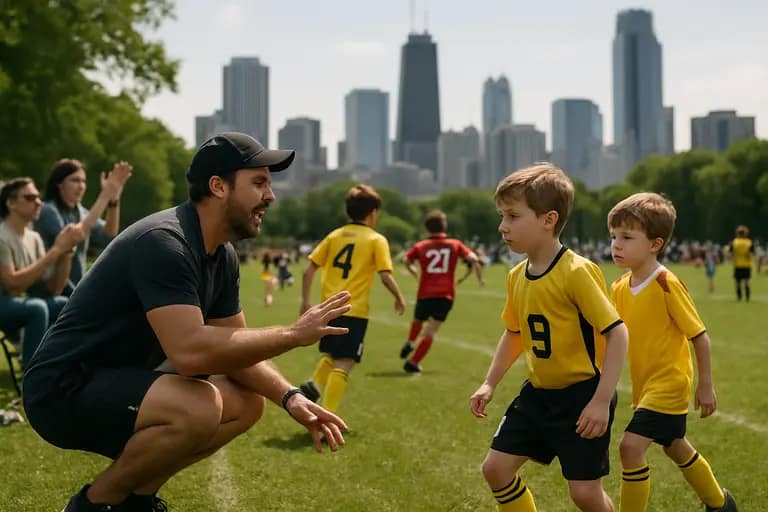
For youth-serving organizations, the Games of Texas example points to a healthy standard: sports events should be measured by economic activity and by what they model for children. Athletes see adults planning, volunteering, officiating, coaching, and problem-solving. That matters. A tournament can teach punctuality, teamwork, self-control, and resilience, but only if the adults design the environment with those outcomes in mind.
Local leaders can help by asking a few practical questions before and after each event:
- Did young athletes have safe, well-managed spaces to compete and recover?
- Were families able to understand schedules, parking, and venue rules?
- Did local students have chances to volunteer, assist staff, or learn event operations?
- Did schools, parks departments, and youth organizations gain contacts they can use later?
- Did the event point families toward affordable local sports programs after the tournament ended?
These questions keep the focus where it belongs. Economic impact is valuable, but it should support a wider goal: stronger opportunities for children to grow through sport. Communities that want to deepen that connection can learn from sports-based youth programs that link coaching, character, and neighborhood support.
Track Returns Families Can See
Public trust grows when cities explain what sports events bring back to the community. A clear recap can show how many athletes came, how many families traveled, how local businesses benefited, and what city teams learned. It can also identify gaps, such as transportation pressure, shade needs, or volunteer shortages. That honest review helps future events become more useful for residents and more supportive for athletes.
There is also value in tracking youth-facing outcomes that do not fit neatly into a spending report. A city can count student volunteers, coaching clinics, school partnerships, internship-style event roles, or new sign-ups for recreation programs after a tournament. Those measures help connect the sports economy to local development. They show that a weekend competition can be part of a wider pipeline for leadership, service, and healthy activity.
Games of Texas As A Youth Development Model
A Practical Community Playbook
Games of Texas should be seen as a working model for how Texas communities can use sports events to support young people and strengthen civic ties. The 2025 Bryan and College Station numbers showed the power of a large amateur event to bring thousands of athletes and families into a local economy. The Texarkana data from February through June 2026 showed how tournament facilities can draw outside visitors and produce direct spending across multiple months.
The opportunity now is to keep the athlete at the center. Cities can plan events that respect competition, support families, and invite local youth into service and leadership. Coaches can use tournament settings to teach preparation and composure. Schools and recreation departments can use the attention around major events to connect more children with safe, structured play.
When sports are planned this way, the scoreboard is only one measure. The stronger sign is a community that sees young athletes as neighbors worth investing in, local businesses as partners in family-centered events, and public facilities as places where children can build confidence. That is the kind of sports impact Texas communities can keep building, one well-run event at a time.