
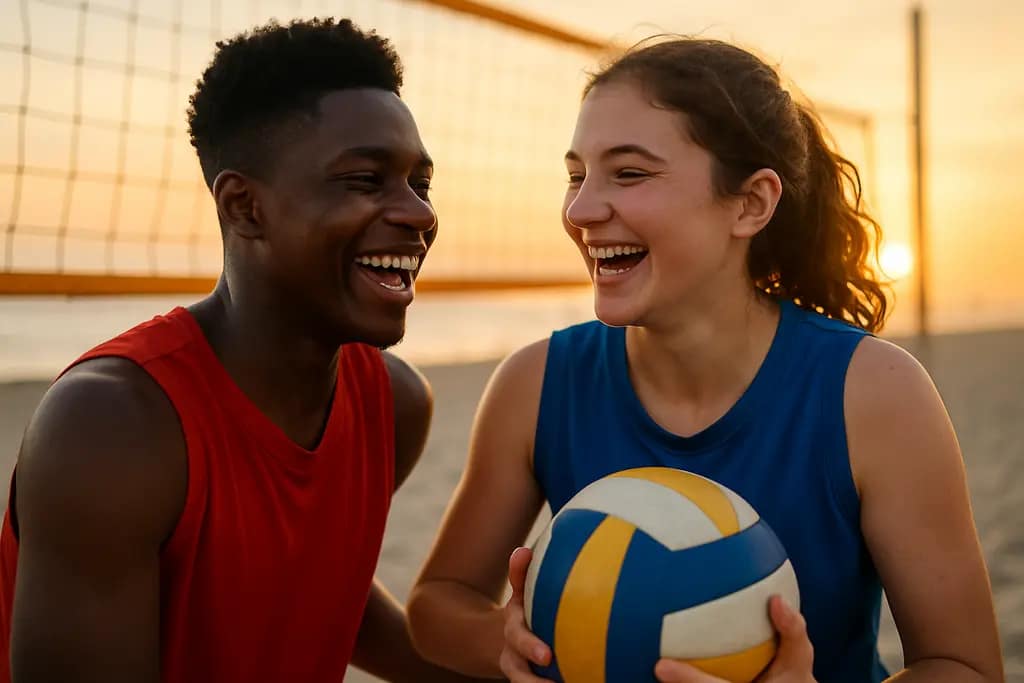
ASPIRE Initiative work at West Fork High School in Kingwood showed how one student-athlete helped turn a volleyball practice into a schoolwide model for inclusion. Kayli Heine, then a senior at West Fork, founded an inclusive athletic program for students with intellectual and developmental disabilities through an effort tied to New Caney ISD’s ASPIRE program, according to the NFHS report on Heine. The story matters because it connects sports with belonging, peer friendship, and a clearer path for students who are too often left outside the daily rhythm of school athletics.
By September 21, 2026, Heine had already graduated from West Fork in Spring 2026 and moved on to Texas A&M University. That timing makes the Kingwood story less about a single school year and more about what remains after a student leader leaves campus. The program she helped start, Friends in Gator Sports, or FIGS, was expected by school officials to continue beyond her departure because it had become part of the athletic culture, not just a one-time event.
How The ASPIRE Initiative Started In Volleyball
The Practice That Opened A Door
The spark came in Fall 2025 during a West Fork volleyball practice bye-week. Heine invited ASPIRE students to join the volleyball team for practice, giving students with intellectual and developmental disabilities a chance to share drills and court time with mainstream student-athletes. The ASPIRE program itself is run by New Caney Independent School District and serves students with intellectual and developmental disabilities.
That first practice mattered because it used a familiar school sports setting rather than creating a separate activity. A gym, a net, teammates, coaches, and drills are everyday pieces of athletics. Bringing ASPIRE students into that environment sent a direct message: participation did not need to be set apart to be meaningful. Inclusion could happen during the athletic period, inside the schedule students already knew.
Why The ASPIRE Initiative Fit West Fork Athletics
The ASPIRE Initiative fit the sports culture at West Fork because it treated athletes and ASPIRE students as peers in motion. The activity was not built around watching from the sideline. It was built around doing: passing, moving, learning, laughing, and sharing the same space. That approach is simple, but it can shift how students understand one another.
Heine later co-founded Friends in Gator Sports with special education teacher Kaelin Morkisch. The name FIGS, or Friends in Gator Sports, connected to Heine’s faith and her reference to Luke 6:44. The message she carried through the work was that every student has value and deserves the opportunity to participate. In a high school setting, that message becomes strongest when it is practiced in public, during the same athletic time that shapes team habits and school identity.
What FIGS Changed Inside West Fork Athletics
Monthly Sports Instead Of One-Time Inclusion
After the first volleyball practice, FIGS gave the idea structure. Across the 2025-2026 academic year, the club arranged for ASPIRE students and mainstream student-athletes to participate together in a different sport each month during the school’s athletic period. These were not segregated activities. The students worked through shared drills and common athletic experiences.
That monthly format is important for youth development because consistency builds relationships. One event can create a good memory. Repeated contact can create comfort, trust, and recognition in the hallway, the gym, and the stands. The available reporting does not include local survey data on social, academic, or emotional outcomes, so it would be unfair to claim measured results that have not been published. Still, the structure itself shows a clear school-based commitment: inclusion was scheduled, repeated, and connected to the full athletic department.
Growth Across The School Year
In the first year of FIGS, during the 2025-2026 school year, the program involved about 10 ASPIRE students and had grown to 20 ASPIRE students by the end of that same year; every sport at West Fork hosted ASPIRE students at least once through FIGS events, according to the NFHS account of the program. That growth shows how an idea that began in volleyball moved across the wider athletic department.
For coaches and team leaders, the shift also created a new kind of practice environment. Student-athletes were asked to model patience, communication, encouragement, and shared responsibility. Those are not separate from competitive development. They are part of becoming a reliable teammate. In high school sports, the strongest programs often teach more than a scoreboard result. FIGS gave West Fork athletes a practical way to connect leadership with service.
- ASPIRE students joined mainstream student-athletes during athletic periods.
- Each month featured a different sport during the 2025-2026 academic year.
- Every West Fork sport hosted ASPIRE students at least once through FIGS.
- Participation grew from about 10 ASPIRE students to 20 ASPIRE students by year’s end.
Why Shared Sports Support Youth Development
Belonging Built Through Team Habits
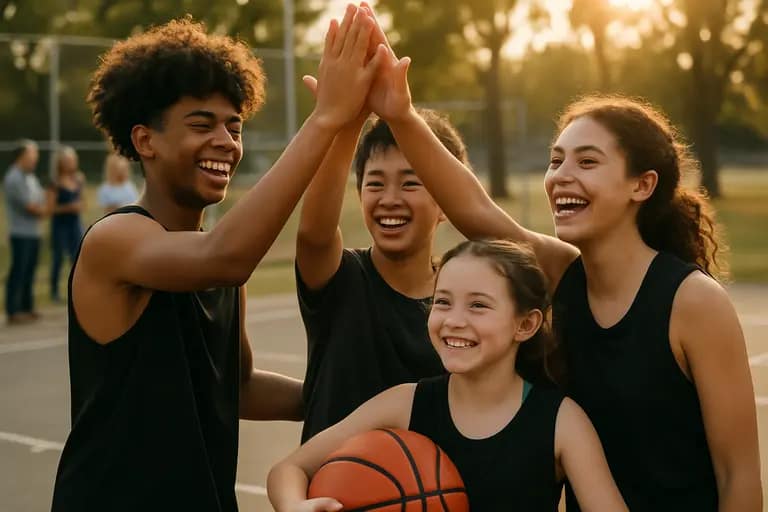
School sports create routines that students remember: warmups, partner drills, team circles, encouragement after mistakes, and shared goals. For students in the ASPIRE program, taking part in those routines through the ASPIRE Initiative meant entering a social space that often shapes school belonging. For mainstream athletes, it meant learning inclusion through action rather than posters or assemblies alone.
This is where the Kingwood story offers value beyond one campus. Inclusive sports can help young people practice empathy in real time. A drill may need a slower pace. A teammate may need a clearer explanation. A group may need to cheer effort as loudly as execution. These small adjustments teach students how to make room for others while still honoring the sport itself.
Leadership That Lasts Past Graduation
Heine’s graduation in Spring 2026 could have ended the work if FIGS had depended only on her presence. Instead, the reported expectation from school officials was that FIGS would continue because she had helped lay a foundation for ongoing inclusion in athletics. That is one of the most meaningful parts of student leadership: the work becomes stronger when others can carry it forward.
Heine was also recognized in June 2026 as the Houston Chronicle’s Community All-Star Athlete for girls for her athletic and community work. That honor reflected both athletic identity and service. Her stated ambition to become a special education teacher adds another layer to the story. She did not treat inclusion as a side project. She connected it to the way she viewed students, school, and her future profession.
For readers who want a related local look at her work, Youth Rise TX has also covered Kayli Heine’s inclusive sports initiative and the way peer friendship became part of the program’s meaning.
What The ASPIRE Initiative Means For Kingwood Sports Community
A Local Model For Schoolwide Inclusion
The ASPIRE Initiative in Kingwood offers a clear local model: start with a sport, invite students into the real team setting, repeat the experience, and involve the broader athletic department. It did not require inventing a separate sports system. It used the school’s existing athletic period and monthly sport rotation to build shared participation.
That matters for families, coaches, and students because inclusion is most powerful when it becomes normal. West Fork’s example showed ASPIRE students practicing with athletes, athletes learning through shared responsibility, and a student leader using her platform to widen access. The facts available do not prove every long-term outcome yet, and local measurement would help tell the next part of the story. What is clear is that FIGS moved inclusion from an idea into scheduled athletic experiences during the 2025-2026 school year.
For Kingwood’s sports community, the ASPIRE Initiative stands as a reminder that school athletics can do more than develop players. They can build friendships, shape student leaders, and help a campus see every student as part of the team.