
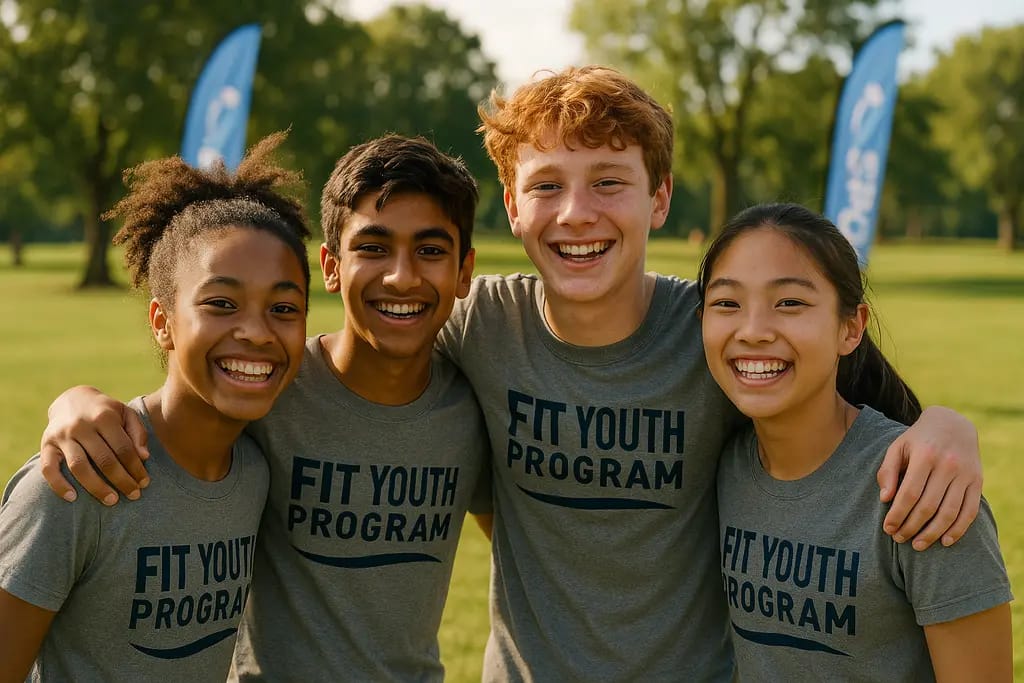
Fit Youth Program offers a helpful case study for communities that want sports to do more than fill a schedule. The available case material describes rising participation across regions and a clear focus on confidence, school readiness, cooperation, and athlete well-being. Exact enrollment totals were not provided in the research notes, so the clearest lesson is not a single number. It is the way a sports-first model can give young athletes repeated chances to practice effort, teamwork, and self-belief in a supportive setting.
That matters because confidence is not built in one speech from a coach or one win at the end of a season. It grows through steady routines: warmups, skill stations, small-sided games, team challenges, and the chance to try again after a mistake. For young athletes, especially those still learning where they fit, those moments can become proof that they belong on the court, field, track, or gym floor.
Why Fit Youth Program Growth Matters
Fit Youth Program Confidence Signals
The research supplied for this case points to increased participation and wider reach, but it does not include audited public counts, dates, or locations. That limitation should be named clearly. Growth is strongest as a community lesson when it can be measured and shared with families, schools, coaches, and local partners. Still, the reported expansion suggests that the model is meeting a real need: young athletes want places where fitness, teamwork, and personal growth are connected.
The Fit Youth Program case study also shows why confidence should be treated as a core outcome, not a side effect. A 2024 report found that 80% of young girls felt more confident because of participation in team sports, a finding reported by The Guardian on team sports confidence. That figure does not prove the outcome of any one local program by itself, but it gives communities a strong reason to take confidence-building seriously.
Growth Beyond More Athletes
Participation growth can be easy to celebrate, but the deeper question is what happens once young people arrive. A program can grow in head count while still missing the needs of beginners, quieter athletes, or students who have had a negative sports experience before. The healthier version of growth includes stronger coach habits, better family communication, age-aware skill work, and space for athletes to lead in small ways.
That is where sports can support community improvement. A team practice can become a place where a student learns to speak up, accept feedback, manage nerves, and support a peer. Those behaviors carry value beyond competition. They can influence classroom participation, friendships, and the way a young person sees future opportunities.
What The Evidence Says About Confidence And School
Team Sports And Self-Belief
Confidence in youth sports is often visible in small details. A young athlete calls for the ball. A runner returns after finishing last. A first-year player asks a coach how to improve. These are not minor moments. They show that a child is learning to connect effort with progress. Team sports are well suited for that kind of growth because young athletes receive feedback from peers, coaches, and the activity itself.
The strongest programs do not treat confidence as empty praise. They create tasks that are challenging but reachable. A coach might split a drill into levels so newer athletes can experience success while advanced athletes keep stretching. A teammate might be asked to encourage someone after a missed shot or dropped pass. Over time, the group learns that confidence is tied to preparation, support, and resilience.
Fitness And Classroom Readiness
The academic link is also worth attention. Research reported by The Washington Post found that physically fit students tend to do better in school than others, based on a study of student fitness and academic performance The Washington Post on student fitness. That does not mean sports alone solve academic challenges. It does suggest that fitness-focused youth programs can be part of a broader support system for school success.
For school partners, the practical takeaway is simple: movement can help create readiness. A student who develops better conditioning, learns practice routines, and experiences belonging through a team may bring more focus and confidence into academic spaces. Communities should avoid overpromising, but they should also avoid separating athletics from youth development. The two can support each other when coaches, educators, and families share goals.
How Program Design Builds Safer Belonging
Training Variety And Athlete Confidence
The research notes describe a diverse training approach, which is valuable because young athletes benefit from broad movement experiences. Variety can include running, balance work, strength basics, sport-specific drills, cooperative games, and recovery habits. A broader format gives children more ways to succeed. The athlete who is not the fastest sprinter may shine in communication. The child who struggles with ball handling may find confidence in endurance work or leadership during a team challenge.
This kind of design helps reduce the pressure that can come when youth sports become too narrow too early. It can also make practices feel more welcoming for athletes who are still discovering which activities they enjoy. In a community setting, that matters. A program that keeps more children engaged gives families a healthier option after school and gives young people a positive place to build identity.
Coaches As Confidence Builders
Coaches carry much of the culture. A supportive coach sets clear expectations, corrects with care, and praises effort that leads to growth. In confidence-centered programming, the coach is not only teaching a skill. The coach is helping each athlete see a path from practice to improvement.
That approach can be especially powerful for young athletes who have been told they are not athletic, too quiet, too small, or too far behind. A good coach can change the tone by saying, in effect, “You can work from where you are.” Then the program must prove that message through fair opportunities, patient instruction, and team norms that protect every athlete’s dignity.
What Communities Can Measure Next
Simple Measures That Families Understand
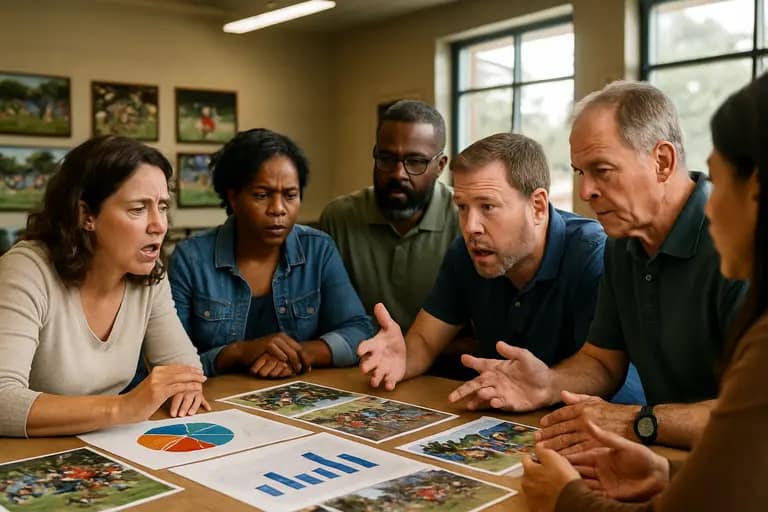
For a case study to guide other communities, growth should be tracked in ways that are clear and useful. Participation totals matter, but they should sit beside measures of retention, attendance, athlete confidence, family satisfaction, and school connection. Communities can ask young people simple pre- and post-season questions about confidence, belonging, and willingness to try hard things.
- Track how many athletes return for another session or season.
- Ask athletes whether they feel more confident speaking, leading, or trying new skills.
- Record attendance patterns so coaches can spot barriers early.
- Invite parents and caregivers to share what changes they see at home or school.
These measures do not need to be complicated to be useful. They help program leaders spot what is working and where more support is needed. They also give schools and community partners a shared language for discussing youth progress.
Connecting Local Partners
Programs grow stronger when they are not isolated. Schools can help identify students who would benefit from structured physical activity. Community centers can provide space. Parents can reinforce attendance and encouragement. Coaches can share progress themes without reducing children to scores or rankings.
For readers building similar models, Youth Rise has shared more on community impact through sports programs. Access also matters, and the related discussion on youth sports access and affordability fits naturally with any plan to reach more families.
Why Fit Youth Program Confidence Shapes Communities
From Athlete Growth To Shared Pride
The strongest lesson from this case is that youth sports can create community value when confidence is built with intention. A young athlete who feels capable is more likely to stay active, contribute to a team, and take positive risks in school and life. Families see that growth. Coaches see it. Teachers may see it too.
If the Fit Youth Program keeps centering access, variety, and confidence, its growth can mean more than larger participation. It can mean more young people learning that their effort matters and that their community believes in them. That is the promise of sports-based youth development: not just stronger athletes, but stronger neighborhoods shaped by encouragement, discipline, and shared care.