In recent years, how we help young people recover has changed a lot. Old ways like talk therapy are now paired with physical activity. This change shows that exercise is key in helping them get better.
New treatment methods use sports and activities as important tools. For example, Sustain Recovery uses MMA to teach discipline and social skills to teens. Retorno, led by Erez Cohen Goichman, combines yoga, biking, and gym workouts for a holistic approach.
These programs aim to teach healthy habits and help young people manage their energy. They prepare them for life after treatment. By looking into these models, we learn how sports and activities help treat the whole person.
How Sports Aid Recovery
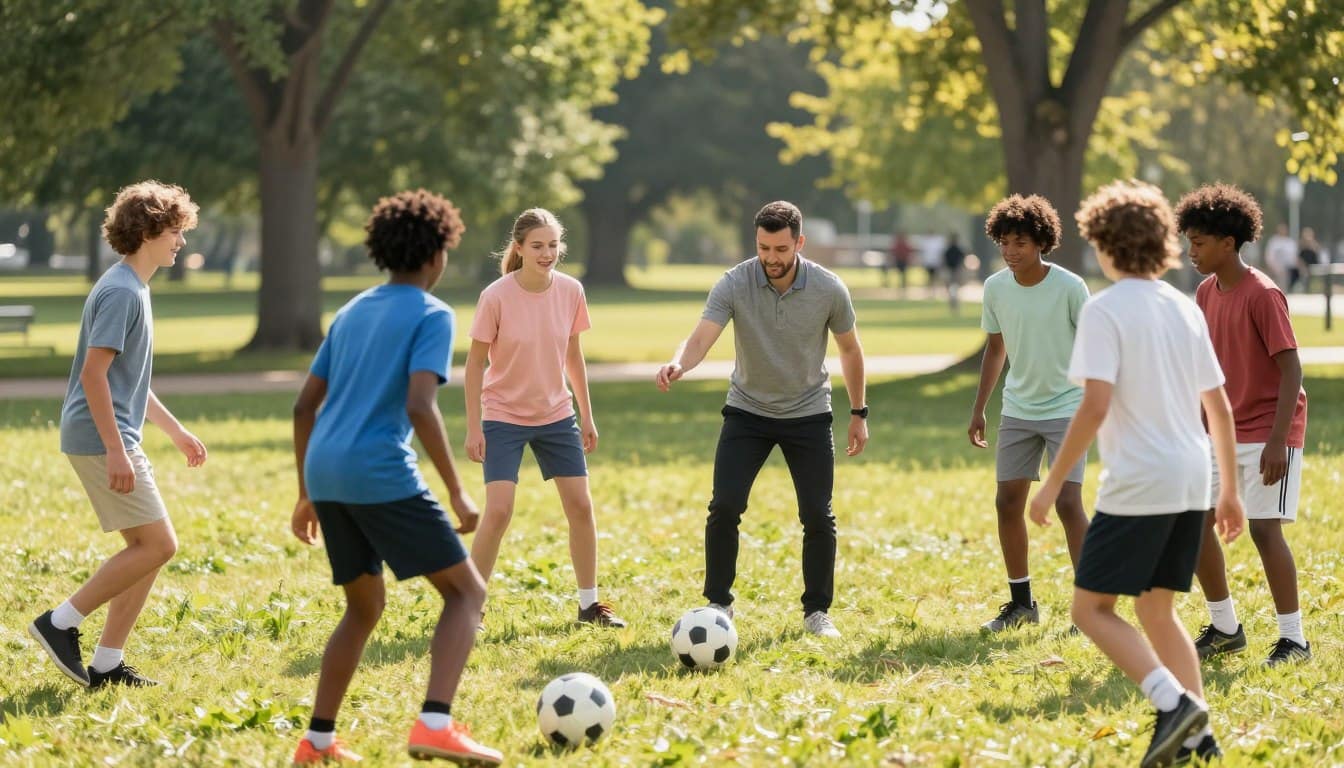
Playing sports can really help young people recover. It makes them healthier and teaches them important social skills. These skills help them fix relationships damaged by addiction.
Competitive sports are a great way for teens to let out their energy. It helps them feel better by making them happier and less stressed. Studies show it can even help with depression, anxiety, and feeling left out.
Sports also teach teens how to work together and solve problems. They learn to handle winning and losing well. This builds trust and is key to recovery.
Learning new sports skills can make teens feel more confident. This confidence helps them want to try other recovery activities.
Using sports in recovery programs is flexible and can be customized. For example, Erez uses yoga, biking, and guided imagery. These activities improve coordination and help teens deal with tough times.
| Benefits of Sports in Recovery | Physical Health | Mental Health | Social Skills |
|---|---|---|---|
| Improved Coordination | ✔️ | ||
| Reduced Anxiety | ✔️ | ||
| Enhanced Self-Esteem | ✔️ | ||
| Teamwork and Trust | ✔️ |
In conclusion, sports are a big part of recovery for young people. They help with physical and emotional health. By adding sports to recovery plans, we give teens a full way to heal.

Evidence-Based Success Stories
Real-life success stories show the good of sports in recovery programs. A 2019 study found teens in a 10-week MMA and talk therapy program got better mentally. MMA helped them talk more in therapy and was key in their recovery.
The Retorno program is a great example of integrating sports in recovery programs. Erez Cohen Goichman leads it, using biking and yoga. These activities build strength and trust. They also teach life skills that last long after treatment.
These programs prove recovery through sports works. They cut down relapse rates and boost emotional strength. They create a community where teens support each other, helping them feel they belong.
| Program | Key Activities | Benefits | Results |
|---|---|---|---|
| MMA and Talk Therapy | Mixed Martial Arts, Counseling | Improved Mental Health | Increased Engagement in Therapy |
| Retorno | Therapeutic Biking, Yoga | Physical Strength, Confidence | Lower Relapse Rates |
| Group Sports Therapy | Team Sports, Trust-Building Activities | Peer Support, Motivation | Enhanced Emotional Resilience |

Building Effective Strategies and Partnerships
To make recovery programs work, it’s key to integrate sports into them. Working together, professionals like physical therapists and mental health counselors can make sports therapy better for young people. This teamwork aims for a shared goal.
Using both talk therapy and sports is a smart move. For example, MMA can help teens share their feelings. It lets them deal with mental issues while staying active.
Here are some ways to build strong partnerships in sports therapy:
- Interdisciplinary Collaboration: Teams should include various professionals, such as physical therapists and athletic trainers, to provide complete care.
- Movement Assessments: Physical therapists can do screenings to find any movement issues. This makes sure exercises are safe and work well.
- Education for Stakeholders: It’s important to teach parents, coaches, and athletes about managing training loads. This helps avoid injuries and burnout.
- Individualized Plans: Making exercise plans that fit each teen’s interests and skills helps them stay engaged and recover better through sports.
By working together, programs can make sure sports therapy is safe and lasting. This helps teens heal physically and mentally.
For more on how to integrate sports in recovery, check out this resource. Also, learn about working with schools and groups at this link.
The Future of Sports Therapy in Youth Recovery
The world of youth recovery is changing. Adding sports to recovery programs is becoming key as studies show its benefits. Sports therapy for the young is not just a trend; it’s a needed change in how we treat them.
By using sports, young people can start healthy habits that last a lifetime. This helps them stay well for years to come.
New technology is making sports therapy easier to get. Wearable fitness trackers and online health services are helping. They let doctors give personalized workouts and check progress from afar. This makes therapy fit each person’s needs, keeping them involved and responsible.
Soon, laws might require physical activity in mental health and addiction treatments. This big change will show how important sports are in recovery. It will highlight the link between moving your body and feeling better mentally.
By focusing on the whole person, we help young people succeed after treatment. The habits they learn can stop them from falling back into old patterns. As we move forward, sports therapy will play a bigger role in helping young people stay healthy.