
Colorado youth sports received a major lift after the third annual Colorado Youth Sports Giving Day ran from September 1–15, 2026 and raised a record $7.2 million for youth sports access statewide, according to the Daniels Fund report. For young athletes, that number is not just a fundraising total. It points to more uniforms, safer equipment, financial aid, improved facilities, and programs that can keep kids connected to coaches, teammates, and trusted local organizations.
The campaign’s growth matters because youth sports costs can keep families on the sideline. A fee, a pair of cleats, transportation needs, or a lack of nearby facilities can decide whether a child gets a season of belonging or misses out. Colorado’s 2026 effort showed that donors, nonprofits, pro sports partners, and community leaders can line up behind a shared goal: making the path to play wider for children across the state.
How The 2026 Campaign Reached A New High
A Two-Week Push With Statewide Reach
The 2026 campaign brought in 4,400 donations across 349 nonprofit organizations statewide, and the $7.2 million total marked a 38% increase over the 2025 campaign, according to the official campaign recap. That type of growth gives local sports providers room to plan beyond a single roster or short clinic. It can help organizations cover team needs, reduce participation costs, and serve more children in communities where sports budgets are tight.
The timing was clear and sports-centered. The 2026 campaign opened on September 1 with a Colorado Rockies home game at Coors Field serving as the official kickoff, as announced before the campaign by PR Newswire. That connection to a Major League Baseball venue gave the effort a public stage while keeping the focus on local youth programs.
Matching Funds Helped Small Gifts Go Further
More than $2 million in matching and incentive funds were made available in 2026. The campaign included a dollar-for-dollar match on the first $1 million raised online on September 1, plus a $250,000 America250 Fund for gifts made through donor-advised funds, IRA rollovers, or wire transfers, according to the Daniels Fund recap linked above. Matching funds can be especially useful for smaller community nonprofits because they make early giving feel more direct and visible.
For a family-run club, a neighborhood recreation program, or a nonprofit serving children with higher barriers to entry, matching support can turn donor interest into practical season needs. That might mean replacing worn equipment, covering a scholarship spot, or opening another practice group so more children get consistent playing time.
What Colorado youth sports Giving Day Funded
Colorado youth sports Access By The Numbers
Since launching in 2024, the initiative has raised about $16.1 million and engaged nonprofits serving more than 500,000 young athletes, based on the Daniels Fund’s 2026 report. The 2024 inaugural campaign raised more than $3.7 million from nearly 3,700 donations and helped more than 175 nonprofits. In 2025, the effort raised about $5.23 million through 3,610 donations and supported 244 nonprofits. The 2026 record shows a clear rise in both fundraising strength and nonprofit reach.
Those year-by-year gains give local leaders a better picture of what sustained sports giving can do. One strong campaign is helpful. Three campaigns in a row can help organizations think about stable programming, coach support, and season planning. For Colorado youth sports leaders, the value is in turning public generosity into reliable access for children who want to play but need cost, equipment, or facility barriers reduced.
From Donations To Practice Fields
Funds raised through the 2026 campaign are being used to purchase equipment and uniforms, expand programming, provide financial aid, and build or improve sports facilities in underserved communities, according to the Daniels Fund recap. Each of those uses connects directly to the daily experience of a young athlete. A uniform can help a player feel like part of the team. A scholarship can keep a child in the league. A better facility can make practice safer and more welcoming for families.
For readers thinking about how local programs create impact, the same pattern shows up in many sports-based youth development efforts: access comes first, and growth follows when caring adults keep children engaged. Our related article on sports-based youth programs looks at how organized play can connect families, coaches, and community partners around youth needs.
Why Colorado youth sports Needs Targeted Support
Participation Is Strong, But Gaps Remain
The Daniels Fund reported that Colorado’s youth sports participation rate reached 64.5%, which surpassed the Healthy People 2030 federal target of 63%. That is encouraging. It shows that many children in the state are getting the chance to join teams, learn from coaches, and experience the rhythm of practices and games.
At the same time, the campaign data pointed to clear participation gaps from the 2023–24 National Survey of Children’s Health. Girls participated at 61.2%, compared with 67.5% for boys. Youth of color participated at 55%, compared with 72% for white youth. Children from the lowest-income households participated at 46.5%, compared with 76.8% for those from the highest-income households. Youth with disabilities trailed peers by about 10 percentage points. Those gaps show why Colorado youth sports support must be aimed at access, not just celebration.
Why Equity Shows Up On The Roster
A roster can reveal who had a ride, who could pay, who had gear, and who found a program that welcomed their needs. When a community invests in access, it is not only adding players. It is helping young people enter a setting where they can practice commitment, listen to coaching, handle setbacks, and work with peers toward a shared result.
- Financial aid can help a child stay with a team for a full season.
- Equipment and uniforms can reduce the first cost of joining.
- Expanded programming can create more spaces for beginners and returning athletes.
- Facility improvements can make play more available in underserved communities.
These are simple pieces, but they shape whether a young person sees sports as open to them. For coaches and parents, access can be the difference between a child trying a sport once and a child building confidence through a full season.
How Local Nonprofits Turn Giving Into Player Development
Coaches Become The Daily Link
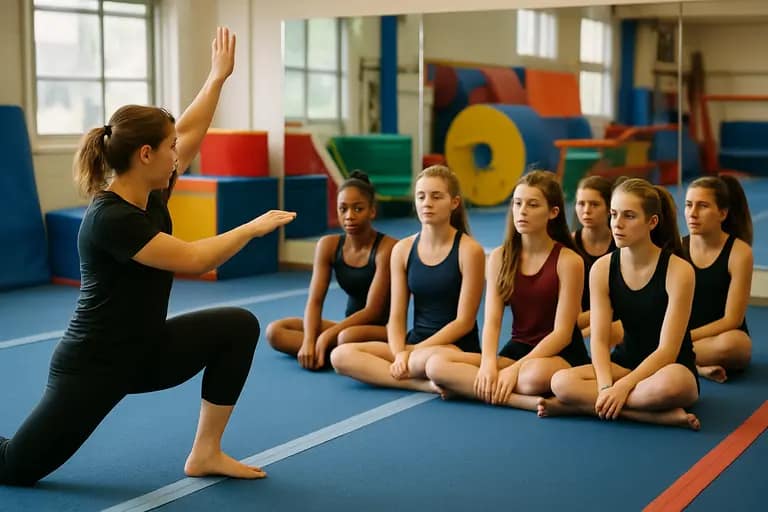
Donations reach young athletes through the adults and organizations closest to them. Nonprofits translate campaign dollars into registration help, practice schedules, equipment orders, facility time, and team communication. Coaches then turn that support into daily expectations: show up, encourage teammates, learn the drill, try again after a mistake.
This is where sports and youth development meet. A child who receives a scholarship is not only receiving a paid fee. That child may gain weeks of structure, a trusted coach, and a peer group built around effort. A new piece of equipment may look small from the outside, but to a young athlete it can send a powerful message: you belong here, and your community wants you on the field or court.
Community Trust Grows Through Consistent Seasons
For local nonprofits, one of the most valuable outcomes is trust. Families notice when a program communicates clearly, removes cost barriers, and keeps children safe and included. Donors notice when organizations can point to practical needs and show how support reaches athletes. Over time, that trust can help programs return each season with stronger participation and deeper local backing.
The 2026 campaign’s support for 349 nonprofits gives many organizations a chance to strengthen that trust. It also gives communities a shared story to rally around: youth sports are not just games on a schedule. They are meeting places where children can grow, families can connect, and local leaders can act on a clear need.
What Colorado youth sports Giving Day Means For Local Teams
A Stronger Path From Interest To Belonging
The record 2026 campaign showed that statewide giving can reach the local level in practical ways. For a young athlete, the path begins with interest: wanting to try soccer, basketball, baseball, track, volleyball, football, or another sport. The next steps are often harder. Families need fees covered, gear purchased, schedules managed, and facilities available. Giving Day support can help nonprofits reduce those hurdles.
That matters for local teams because access shapes roster depth and team culture. When more children can participate, coaches can welcome different skill levels, help beginners learn, and keep older athletes connected through steady expectations. A stronger youth pipeline can start with something as basic as a covered fee or a safe place to practice.
Why The 2026 Record Should Keep The Focus Local
The $7.2 million record is worth celebrating, but the most meaningful measure will be how well funds help children who have been least likely to participate. The participation gaps by income, race, gender, and disability show that the work is not finished. The opportunity now is for nonprofits, donors, coaches, and families to keep asking which young athletes still face barriers and which local programs are ready to meet them.
Colorado youth sports gained a strong boost in 2026 because communities treated access as a shared responsibility. If that focus stays centered on children, coaches, and local teams, the impact can stretch far beyond one fundraising window. It can show up in a first practice, a full season, a trusted mentor, and a young athlete who learns that their community made room for them to play.