
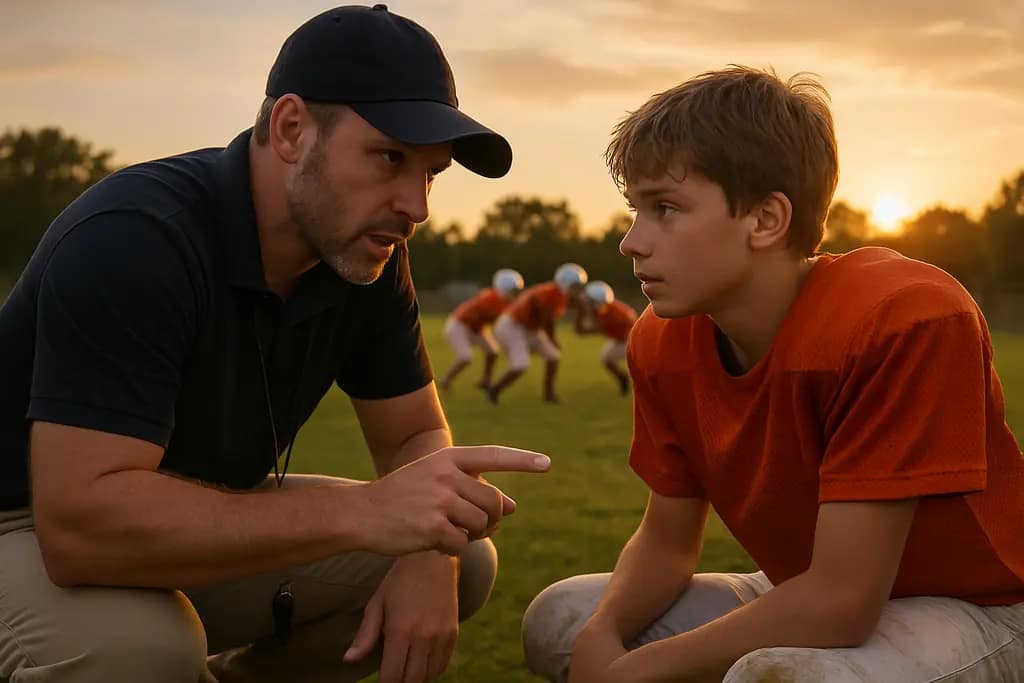
North Lawndale’s coach apprenticeship showed how youth sports can become a leadership pipeline, not just an activity on a field or court. In summer 2026, Urban Initiatives ran the third year of its Community Member to Coach program in North Lawndale, working with 25 young people ages 16–24 who completed more than 30 hours of training and applied coaching practice, co-led four Community Play Day events attended by more than 700 community members, and helped generate 200-plus referrals to local resources such as housing and mental health support Urban Initiatives report.
That matters because the work put young adults in a visible, trusted role. Instead of placing leadership somewhere outside the neighborhood, the program asked North Lawndale community members to teach games, guide younger children, welcome families, and connect neighbors to support. For a youth sports program, that is a powerful coaching adjustment: skill-building happens in real time, in front of younger athletes who can see a clear path from player to leader.
How The Coach Apprenticeship Worked In 2026
From Community Member To Youth Coach
The program used an eight-week structure that paired training with practice. Apprentices did not only learn drills in a classroom-style setting. They applied what they learned through community play, which gave them a chance to manage groups, encourage younger athletes, and respond to the pace of a public youth sports setting. The coach apprenticeship model worked best because the learning environment looked like the real job: children moving between stations, families asking questions, teammates needing support, and coaches making quick, caring decisions.
Urban Initiatives also reported that, after the eight-week program, 50% of participants had either secured a new job or enrolled in a new class, 95% said they gained skills to support future employment, nearly one-third were returning participants who also recruited peers, 91% built a meaningful connection with a peer, 100% built one with a caring adult, and participant satisfaction reached 92% in the 2026 cohort. Those outcomes connect sports with workforce confidence, peer belonging, and adult mentorship.
Coach Apprenticeship Lessons For Inclusive Practice
The strongest lesson for coaches is simple: young people often grow when they are trusted with real responsibility and supported by adults who stay close enough to guide them. Inclusive coaching is not only about making space on a roster. It is also about making space in leadership. A teen or young adult who leads warmups, explains a game, or welcomes a nervous child is practicing communication, patience, and emotional awareness.
That type of setting can also change how younger players view coaches. They see leaders who may live nearby, know the same blocks, and understand the same community rhythms. The coach apprenticeship did not separate sports from neighborhood life. It connected play with belonging, and that connection can make a program feel safer and more familiar for families.
Why Inclusive Coaching Builds Community Trust
Relationships Before Results
Youth sports can sometimes measure success only through wins, standings, or tournament outcomes. North Lawndale’s model points to a wider scoreboard. A meaningful peer connection, a caring adult relationship, and a positive program experience are not side benefits; they are part of player development. When young coaches learn to greet families, explain rules with respect, and adapt games for different skill levels, they help younger athletes feel seen before the first whistle.
That relationship-first approach fits the needs of community sports programs that serve many ages and skill levels. A six-year-old trying a sport for the first time needs a different kind of support than a teenager who wants a stronger training pathway. Inclusive coaches learn to read those differences and keep children involved without lowering expectations. They build effort, teamwork, and confidence through steady encouragement.
- Shared leadership: Apprentices can co-lead stations, model teamwork, and learn beside experienced adults.
- Clear routines: Young athletes benefit from predictable warmups, simple instructions, and fair rotations.
- Community connection: Play days can bring families, coaches, and local resource partners into the same space.
- Growth language: Coaches can praise effort, listening, recovery after mistakes, and care for teammates.
A Sports Program Families Can Recognize
Trust grows when families recognize the people leading the activities. A community member who becomes a coach can carry local knowledge into practice planning, parent conversations, and conflict resolution. That does not replace formal coach training; it makes training more grounded. The best youth sports programs often combine skill instruction with adults and near-peer leaders who understand the community around the team.
This is also where youth sports mentorship connects naturally with coaching. A coach can teach passing angles, defensive spacing, or footwork, but young athletes also watch how that coach handles frustration, shares credit, and welcomes a newcomer. Those small moments shape team culture.
North Lawndale Youth Sports As A Leadership Pipeline

Local Infrastructure For Player Development
The Community Member to Coach work sits within a broader sports identity in North Lawndale. The North Lawndale Athletic & Recreation Association, founded in 2017, serves approximately 3,800 young people ages 5–18 and their families NLARA annual report. That scale shows why coach development matters. If thousands of children and families are connected to recreation, the community needs trained adults and young leaders who can support safe, organized, welcoming play.
A coach apprenticeship helps fill that need by turning local participation into local capacity. Young adults who once joined community events can return as leaders. Returning apprentices can recruit peers, which gives the model a neighbor-to-neighbor feel. That is different from relying only on outside staffing or short-term volunteer help. It builds a bench of leaders who are already connected to the community.
What Young Coaches Practice Through Play
Sports give apprentices a setting where leadership is active and visible. They have to project their voice, explain boundaries, keep a group moving, notice who is being left out, and help children restart after mistakes. Those are coaching skills, but they are also workplace skills. The 2026 outcomes reported by Urban Initiatives suggest that participants connected the experience to employment and learning goals after the program ended.
For younger athletes, the benefit is just as direct. They get more adults and near-peer mentors around the field of play. They see that leadership is not reserved for someone far away from their neighborhood. They can imagine becoming a coach, organizer, referee, teacher, or mentor because someone close in age has already taken that step.
Why North Lawndale Coaching Leadership Matters
Community Impact Beyond The Practice Plan
The coach apprenticeship matters because it treats youth sports as a community development tool without losing the joy of play. The reported Community Play Day attendance and local resource referrals show that a sports event can also become a trusted gathering place. Families can come for games, movement, and connection, then leave with information that may support needs beyond the field.
For coaches, the lesson is hopeful and practical. Build clear routines, invite young people into leadership, give them real practice, and surround them with caring adults. For schools, recreation groups, and community partners, the North Lawndale example shows that player development and local leadership can grow together. If the coach apprenticeship continues to keep community members at the center, its impact can reach well beyond a single summer program.