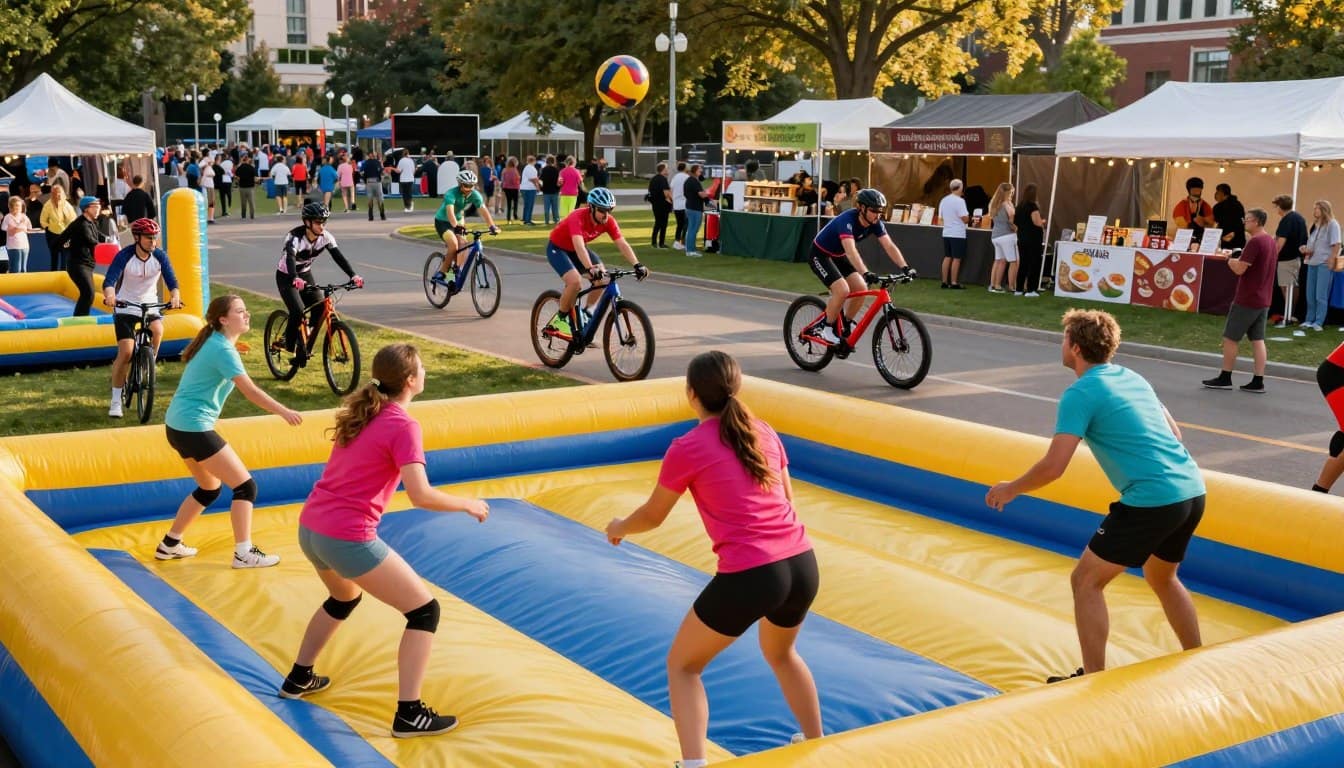
In recent years, the way we exercise in America has changed a lot. More people are looking for unconventional sports that are exciting and rewarding. This is true for cyclists, who are moving from traditional road biking to gravel grinders, mountain biking, and cyclocross.
These new activities offer more than just a workout. They let people explore the outdoors and connect with nature.
USA Cycling says road biking is facing a “midlife crisis,” with fewer people participating. But off-road and endurance events are growing in popularity. This shows a cultural shift towards adventure and community over just winning.
Big brands like Trek and Specialized have noticed this trend. They’re now making bikes for these adventurous sports.
These alternative sports focus on being inclusive and safe. They let people set their own fitness goals. This is great in today’s world, where staying active and enjoying the outdoors is key.
Understanding these new sports means seeing how they’ve changed how we stay active. They offer ways for everyone to stay fit and connected.
To learn more about the evolution of sports in America, check out this detailed analysis. Also, see how sports teach important life skills in this informative resource.
Benefits for Personal Growth
Alternative sports offer deep personal growth benefits. They go beyond just keeping fit, teaching self-reliance and resilience. Tackling challenges, like a century ride or a tough mountain bike trail, boosts self-confidence.
The individual sports impact is huge. People measure success by their own goals, not others. This reduces stress and boosts motivation, helping them focus on their journey.
Safety is key. Riding on trails without cars is calming. It lets riders connect with nature. Programs like the CoMo Bike Co-op and Allen County Bike Share make biking easier and more independent.
These programs empower people to explore freely. It builds confidence and encourages active living. Plus, they help make friends through group rides and events, improving mental health.
Here’s a table highlighting some key benefits of engaging in alternative sports:
| Benefit | Description | Example Activities |
|---|---|---|
| Self-Reliance | Encourages individuals to depend on their own skills and judgment. | Mountain biking, rock climbing |
| Resilience | Teaches persistence through challenges and setbacks. | Cyclocross, trail running |
| Community Connection | Fosters relationships and support networks among participants. | Group rides, local events |
In summary, alternative sports do more than keep you fit. They help grow personally. They build community and encourage self-discovery. For more on sports and youth development, visit this link.
Inspiring Stories and Successes
Across the nation, unconventional sports are changing lives. They show how non-traditional activities help people grow and bring communities together. For example, in Columbia, Missouri, the CoMo Bike Co-op makes cycling available to everyone. It promotes health and supports the environment.
In rural Allen County, Kansas, the Thrive Allen County bike share program is a big deal. It brings unconventional sports to areas away from big cities. This shows that alternative sports can work in many places, making everyone feel included.
Atlanta, Georgia, has a special program called the Bike Share Champion Program. It trains local leaders to make bike use fair for all. Portland’s Adaptive BIKETOWN, a partnership with Nike and Kerr Bikes, offers bikes for people with disabilities. This ensures everyone can join in.
Programs for kids are also inspiring. In Roanoke, Virginia, the Traffic Garden at Westside Elementary teaches bike safety through fun. Tulsa’s Bike Club offers after-school mentorship, helping young people enjoy cycling. In California, Wheelkids Adventure Riding Camp and the Two Wheelers Club teach kids about cycling, teamwork, and community.
These stories show how unconventional sports build confidence and community. Success isn’t just about winning. It’s about more people participating, getting healthier, and feeling connected.
| Location | Program | Focus |
|---|---|---|
| Columbia, MO | CoMo Bike Co-op | Cycling accessibility |
| Allen County, KS | Thrive Allen County | Bike share program |
| Atlanta, GA | Bike Share Champion Program | Equitable bike use |
| Portland, OR | Adaptive BIKETOWN | Adaptive cycling |
| Roanoke, VA | Traffic Garden | Bike safety education |
Supporting At-Risk Youth through Non-Traditional Sports
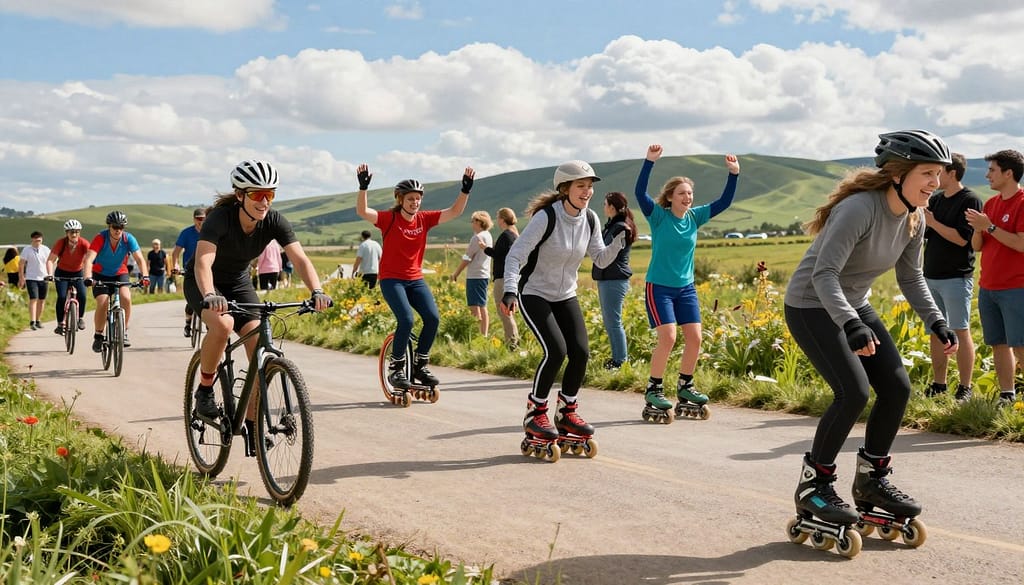
Non-traditional sports are a lifeline for at-risk youth, giving them unique chances to grow. Activities like cycling, skateboarding, and trail running teach important life skills. These include discipline, goal-setting, and perseverance.
Unlike team sports, non-traditional sports let people progress at their own speed. This helps build a sense of personal achievement.
In Roanoke, Virginia, RIDE Solutions has made bike education part of school curricula. They use traffic gardens to teach safety and build confidence in young riders. This approach prepares students with essential skills and encourages cycling as a healthy lifestyle.
After-school programs, like the Bike Club in Tulsa, Oklahoma, offer mentorship and a sense of belonging. These programs create a supportive environment where at-risk youth can connect with peers and adults. The positive feedback they receive boosts their self-esteem and encourages them to keep participating.
Summer programs, such as Wheelkids Adventure Riding Camp in California and Trips for Kids in Charlotte, North Carolina, immerse youth in outdoor adventures. These camps focus on resilience and environmental stewardship. Participants explore nature while developing new skills. Many programs also offer coach-in-training pathways for older students, creating leadership opportunities and valuable career skills.
The focus on mountain biking and adventure sports is intentional. These activities are seen as more accessible and less intimidating than traditional road cycling. The culture around these sports emphasizes fun and personal growth over competition, attracting a wider audience.
By investing in these programs, communities can tackle critical issues like juvenile delinquency, obesity, and mental health. Non-traditional sports give at-risk youth the tools they need to overcome life’s challenges.
| Program Type | Location | Key Focus | Age Group |
|---|---|---|---|
| In-School Programs | Roanoke, VA | Bike Education | Elementary Students |
| After-School Programs | Tulsa, OK | Mentorship | Middle School Students |
| Summer Camps | San Francisco, CA | Adventure Riding | All Ages |
| Summer Camps | Charlotte, NC | Outdoor Skills | Older Students |
Promoting Inclusion and Diversity
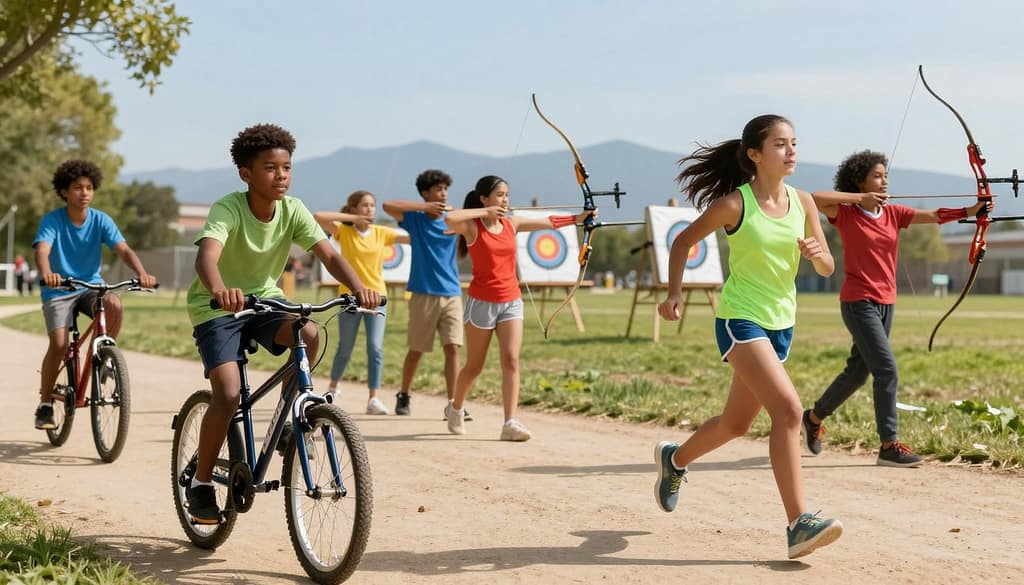
Unconventional sports are key in making sports more inclusive. Programs like Portland’s Adaptive BIKETOWN show how design can welcome riders with disabilities. They make sure everyone can enjoy cycling.
In Atlanta, the Bike Share Champion Program brings biking to more people. The Better Bike Share Partnership’s Equity Dashboard checks if cities serve all residents well. This boosts community involvement and inclusivity.
Women are leading the way in alternative sports. USA Cycling notes that women are cycling more, in gravel and mountain biking. Brands like Liv and Specialized offer bikes and clinics for women, creating a supportive space.
Rural bike shares in places like Allen County, Kansas, and community co-ops in Columbia, Missouri, tackle cost barriers. These efforts show that everyone can join, no matter their background. Unconventional sports build a place where all can succeed.
To learn more about cultural diversity in sports, visit this resource. It talks about the need for representation and tailored approaches to achieve equity in sports.