

UIL heat safety has moved from a coaching preference to a statewide operating standard for Texas school sports. As of August 1, 2026, the University Interscholastic League required Texas schools to use Wet Bulb Globe Temperature readings for outdoor athletic and marching band activities, tying practice decisions to measured conditions instead of guesswork UIL heat plan. For coaches, this is about more than compliance. It is about keeping student-athletes in a setting where they can train, learn, and feel protected by the adults around them.
That matters deeply in Texas, where school sports often serve as a gathering place for families, classmates, alumni, and neighborhood supporters. A safer practice plan helps young people stay connected to teams that teach accountability, leadership, and trust. It also gives parents clearer confidence that the same care used to teach fundamentals is being used to manage heat risk.
What UIL heat safety Changed For Coaches
UIL heat safety In Daily Practice
The 2026-2027 Heat Stress & Athletic Participation required plan took effect for the 2026-2027 school year after three years in which WBGT-based guidelines had been recommended by UIL. Under the required plan, WBGT readings must be taken within 15 minutes before an outdoor practice or workout begins, then repeated every 30 minutes during the session UIL requirements. That timing gives coaches a repeating check on field conditions, not just a single reading before athletes stretch.
For a coaching staff, this changes the rhythm of practice. Warmups, position periods, team periods, special teams work, conditioning, and breaks all have to fit within a plan that can adjust if conditions rise. The best response is not fear; it is preparation. Coaches can still teach effort and discipline while making clear that discipline includes listening to safety rules, taking rest seriously, and reporting signs of heat distress right away.
Why WBGT Became The Standard
WBGT is used in the UIL plan because it measures environmental conditions in a way that goes beyond air temperature alone. The research notes supplied for this article state that UIL made WBGT monitoring mandatory for outdoor athletic and marching band activities beginning on August 1, 2026. That means a football field, track, soccer pitch, baseball diamond, softball field, tennis court, or band practice area can no longer rely only on how hot the day feels.
The UIL plan also calls for consistency in readings. The research notes state that, ideally, the same person should take readings during a practice window and record them at the required intervals. That is a practical coaching point. When one trained staff member handles the monitor, the head coach can focus on structure while assistants keep eyes on athletes, equipment, hydration, and pace.
How Cooling Rules Support Student-Athletes
Rapid Cooling Zones On Site
One of the most visible parts of the new plan is the rapid cooling zone. According to UIL, when the WBGT reaches the stated threshold for UIL Class 2 or Class 3 conditions, a rapid cooling zone must be immediately available. UIL also requires schools to have equipment for full-body immersion in ice water for athletes in heat distress, while tools such as ice sponges, misters, and shade are encouraged rapid cooling zone rules.
That requirement sends a strong message to young athletes: safety is part of the team setup, not an afterthought. A visible cooling zone can reduce confusion during a stressful moment. It gives coaches, athletic trainers, directors, and volunteers a shared location and shared purpose. For smaller schools or campuses without indoor practice space, the planning may be harder, but the goal stays the same: every student deserves a response plan before the first whistle.
Hydration And True Rest
The UIL plan states that rest breaks must include unlimited access to hydration and that rest periods must involve no physical activity. Coaches and directors must ensure unrestricted water access, and a student-athlete should never be denied water. That detail matters because a break is not just a pause between drills if an athlete is still doing physical work, carrying gear, or waiting for permission to drink.
In youth development terms, this teaches athletes that toughness and self-care can exist together. A freshman learning varsity practice habits should hear that asking for water is not weakness. A senior captain can model that message by taking breaks seriously and encouraging younger teammates to do the same. When coaches set that tone, safety becomes part of team culture.
- Take the WBGT reading within 15 minutes before outdoor practice begins.
- Repeat WBGT readings every 30 minutes during practices or workouts.
- Keep a rapid cooling zone ready when UIL thresholds require it.
- Make hydration unrestricted during rest breaks.
- Treat rest periods as no-activity periods, not lighter drill periods.
What Coaches Can Build Around The Rules
Clear Roles For Each Practice Window
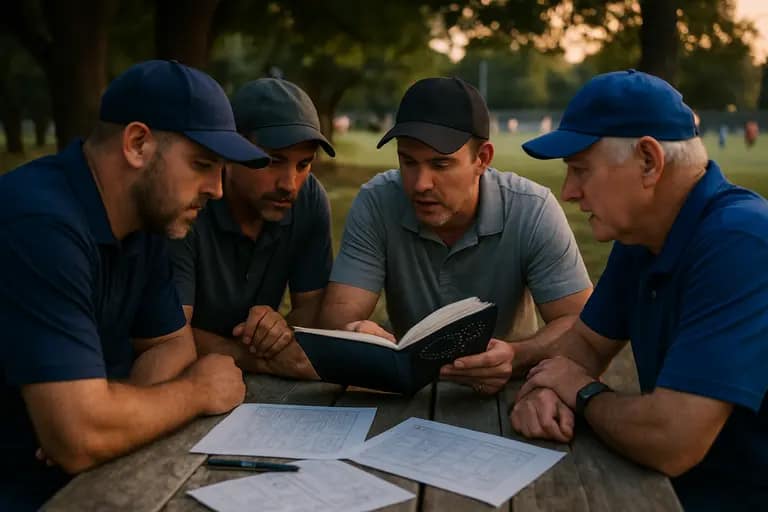
UIL heat safety works best when every adult knows a role before athletes arrive. One staff member can handle WBGT readings. Another can track time limits and rest periods. Athletic trainers or designated staff can oversee the cooling area. Position coaches can adjust drill intensity without turning every change into a setback. This kind of shared system supports both safety and teaching.
Texas Football reported on July 20, 2026, that practice restrictions increase as WBGT readings rise: around the upper tiers, practice length is reduced, equipment is limited, conditioning is removed, and practices must be canceled above the highest listed threshold Texas Football report. The research notes for this article list examples including two-hour limits with helmets, shoulder pads, and shorts in one range; one-hour limits with no conditioning and no protective gear above another range; and cancellation above 92.1°F.
Those limits can push coaches to sharpen practice design. Instead of longer sessions that wear athletes down, staffs can focus on teaching points, efficient rotations, and cleaner communication. A shorter practice can still build player development if every period has a purpose. That is especially meaningful for young athletes who are still learning how to balance school, sport, rest, and family life.
A Safer Youth Pipeline
The rules also affect the youth pipeline around Texas high school sports. Middle school athletes, junior varsity players, and first-year varsity athletes often learn expectations from older teammates. If the varsity staff treats cooling zones, water, and rest as normal parts of practice, younger athletes carry that standard forward. That can improve trust across a full athletic program.
Families see the difference, too. Parents are more likely to support school sports when they understand the safety plan. Booster clubs and community volunteers can help by supporting shade, water access, and communication, as long as schools follow UIL requirements. For a broader local explainer on the same policy shift, our site has covered how new heat rules reshape Texas high school sports.
Why UIL heat safety Matters For Texas Communities
Trust Around The Team
UIL heat safety is not only a sideline operations issue. It is a community trust issue. School sports ask families to let their children train hard, travel, compete, and represent their campus. In return, schools and coaches owe those students clear care. The new requirements give communities a shared language for that care: WBGT checks, repeated readings, rapid cooling zones, water access, and real rest.
The UIL plan also makes a key distinction between practices and competitions. The research notes state that WBGT practice limitations apply to practices and workouts, not UIL-sanctioned competitions. Rapid cooling zones are still required at contests when WBGT conditions reach specified thresholds, and schools are encouraged to monitor WBGT during games and consider modifications as needed. That distinction helps athletic departments prepare for both weekday training and game-day operations.
For coaches, the challenge is to keep athletes growing while honoring the rules that protect them. For student-athletes, the benefit is a clearer support system during some of the hottest months on the school sports calendar. For communities, the payoff is bigger than one practice. A well-run safety plan keeps young people connected to teams that can teach patience, courage, leadership, and care for others.
Texas has always asked a lot from its school teams. With UIL heat safety now built into the 2026-2027 school year, coaches have a stronger framework for protecting students while building programs that families can believe in. That is the kind of sports culture worth cheering for: competitive, caring, and rooted in the well-being of every young athlete.