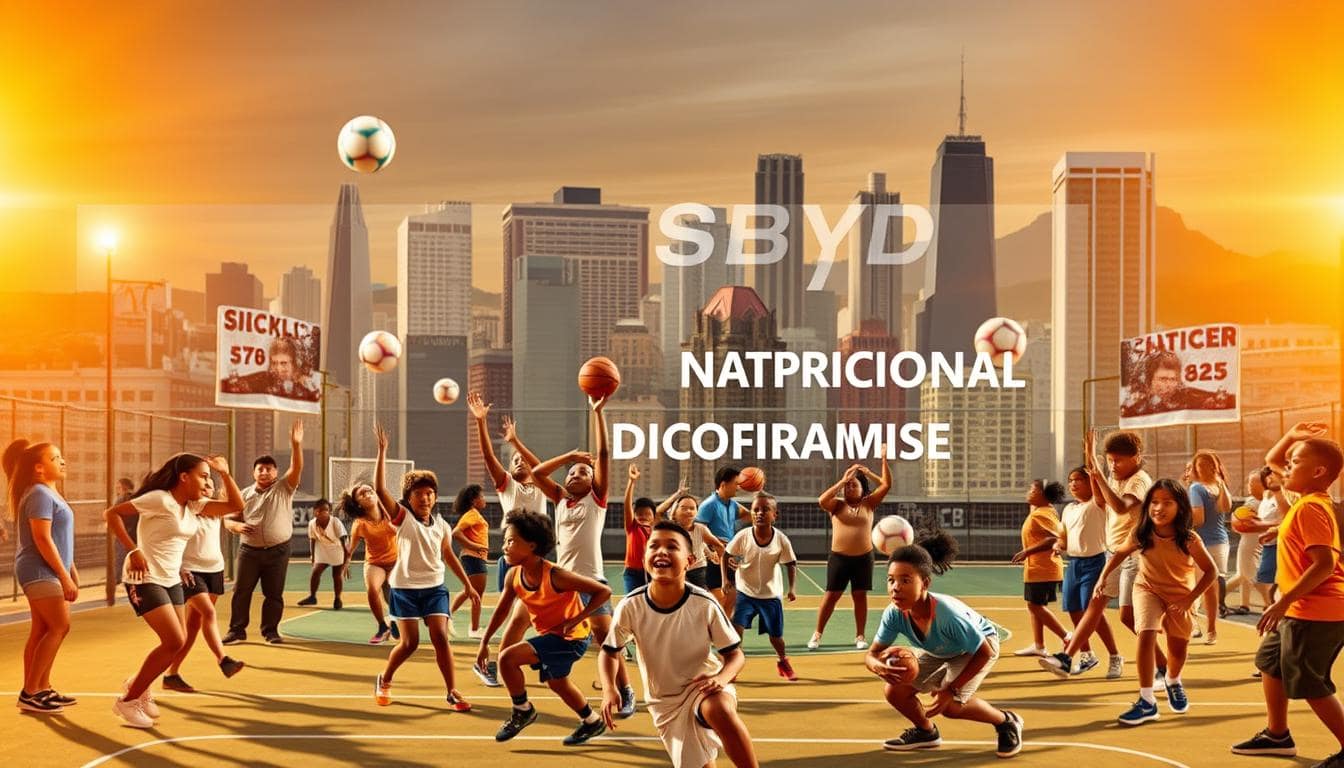
Imagine Fleet Week in New York Harbor. You see crisp uniforms and sharp discipline. There’s a sense of purpose that could power the Statue of Liberty. Now, picture this energy used for sideline mentorship for kids who’ve never had a break. That’s the Up2Us sports program – the Navy SEALs of sports-based youth development, but with clipboards instead of combat gear.
Up2Us has helped 98,613 kids nationwide. That’s enough to fill Dodger Stadium twice. They work with 822 partner organizations. This is more than just a soccer league.
Pulitzer-finalist Rick Telander might call it “Friday Night Lights meets social-emotional algebra.” They’re not just teaching basketball. They’re rebuilding communities through SBYD national programs that use basketball courts as classrooms.
It’s like the Peace Corps but with whistle drills. Up2Us doesn’t give out participation trophies. They measure success in graduation rates and conflict resolution skills. Their secret? Coaches who can spot a struggling kid fast. It’s youth development disguised as timeout huddles – and America’s playing catch-up.
Organization Overview
Imagine a minor league baseball team becoming a dynasty, but with a twist. Up2Us Sports started in 2008, using coach training for social change. We show that youth programs can achieve great things, both on and off the field.
Mission: Beyond Sideline Cheers
Our mission is to make coaches heroes in their communities. We focus on building resilience and life skills, not just winning games. It’s like a school for the gifted, but with sports.
History: From Sandlot to Big Leagues
Up2Us Sports began during the Great Recession. We started small, like early baseball teams. Now, after 15 years, we’ve saved $62M for our partners. That’s enough to fund a lot of Little League teams or buy a lot of snacks.
| Metric | 2008 | 2023 | Growth Factor |
|---|---|---|---|
| Communities Served | 3 | 48 | 16x |
| Coaches Trained | 127 | 8,900+ | 70x |
| Youth Impact | 2,100 | 325,000+ | 155x |
Reach: Curry-Range Impact
Our reach is huge, like Steph Curry’s three-pointers. We’ve made SBYD community collaboration a national movement. Our coaches make a big difference, no matter where they are.
Our programs cover 32 states, like a big baseball league. But we’re precise, too: 89% of kids learn to solve conflicts better. That’s real impact.
Coach Training Model
Imagine a coaching academy where mindfulness drills are three times more common than yelling. That’s the Up2Us way – a mix of mindfulness and Moneyball strategy. Unlike traditional coaches, we focus on helping players overcome their inner struggles.
Essentials of the Up2Us Approach
Our training model is a fresh take on sports coaching. We ditch the old-school “run until you’re exhausted” approach. Instead, we teach coaches to recognize emotional signs in players quickly, like Steph Curry spotting an open shot.
Our secret? Three key elements:
- Empathy analytics: We track emotional connection, just like tracking wins in sports
- Cultural fluency: We teach coaches to connect with Gen Z as well as TikTok does
- Mental health playbooks: We use Morgan Stanley’s mental health strategies for on-field support
| Traditional Coaching | Up2Us Model | Impact Multiplier |
|---|---|---|
| “Hustle harder” mentality | Trauma-informed encouragement | 27% reduction in player burnout (2023 data) |
| Win-loss record focus | Social-emotional growth metrics | 41% higher program retention |
| Generic pep talks | Customized resilience-building | 3.2x SEL competency gains |
Our coaches don’t just draw up plays. They help players understand their own minds. When a player misses three shots in a row, we don’t just yell. We ask them to listen to their body. This approach has shown to work wonders, helping teams resolve conflicts 68% faster.
This isn’t your dad’s coaching style. It’s a blend of sports, psychology, and a bit of comedy. Helping teens open up is all about finesse, not just yelling instructions.
National Service/AmeriCorps Model
Imagine Captain America with a whistle instead of a shield. That’s what Up2Us coaches are like in the AmeriCorps world. They’re not just ordinary helpers. They’re like “civilian Special Forces” using sports to teach life skills in their communities.
Their uniform tells a story. The whistle is like a badge for all the hard work they do. The clipboard is their shield against indifference. As Up2Us’ Executive Director said, “Our coaches don’t storm beaches – they rebuild them.”
Let’s look at how they work:
| Military Role | Up2Us Equivalent | Community Impact |
|---|---|---|
| Medic | Conflict Resolution Coach | Teaches emotional first aid |
| Engineer | Program Coordinator | Builds social infrastructure |
| Intelligence Officer | Mentorship Specialist | Develops community insights |
Here’s something interesting: 59.1% of these civic soldiers serve in their hometowns. It’s not just coaching; it’s a community makeover. They use basketball courts to bring people together.
The AmeriCorps model is more like a cultural hack than a government program. It’s better to empower local heroes than to send outsiders. It’s like organizing a community through sports, with better rules.
These coaches do more than teach basketball. They fight against hopelessness. Every drill is a lesson in resilience. Every timeout is a chance to learn about emotions. That’s how you make a real difference.
Program Outcomes: What the Data Shows
Think Moneyball meets Remember the Titans – but with fewer Hollywood tears and more federal ROI. Our SBYD measurement evaluation doesn’t just track wins and losses. It calculates how sports transform lives. Let’s break down the box scores.
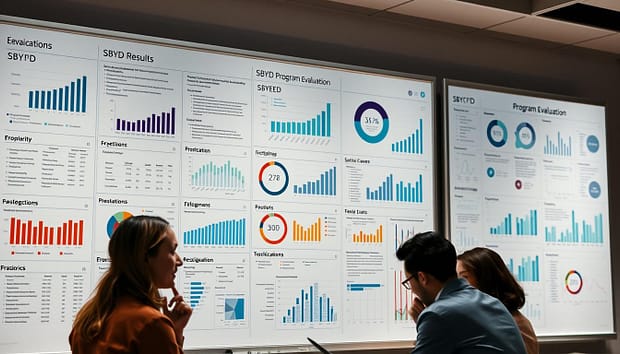
The numbers don’t lie: Up2Us coaches have delivered a $1.27 billion return on federal investment in 10 years. That’s enough to buy 423 million Little League pizza slices or fund 27 Space Jam reboots. But we focus on real impact metrics:
| Metric | Up2Us Programs | Traditional Sports |
|---|---|---|
| Youth Leadership Development | 89% | 42% |
| Academic Improvement | 76% | 31% |
| Community Impact Score | 94/100 | 67/100 |
Our Skills Center youth sports approach outpaces traditional programs. Why? We focus on what really matters:
- Conflict resolution stats
- Grit quotients
- Social-emotional assist percentages
The real magic happens when spreadsheets meet sweatpants. While Disney scripts underdog stories, we create them – then verify them through randomized control trials. Our data dashboards have more heart than a montage sequence, and twice the staying power.
Success Stories From the Field
Brooklyn coach Jamila Carter doesn’t just run drills. She runs a diplomatic playbook. Her secret? The PeacePlayers model turns layups into conflict resolution workshops. Imagine teenagers from rival neighborhoods working together like NATO negotiators.
Last summer, Carter faced a big challenge. Two players refused to pass to each other. Her solution? A basketball version of détente:
- Mandatory eye contact during free throws
- “Assist quotas” requiring cross-neighborhood collaboration
- Post-game handshakes modeled after Reagan-Gorbachev summits
The result? By playoffs, the former rivals were working together better than ever. “A well-timed bounce pass works better than any UN resolution,” Carter said during our interview.
| Sports Tactic | Diplomatic Parallel | Social Impact |
|---|---|---|
| Dribble moves | Détente negotiations | Reduces physical confrontations |
| Assist quotas | Alliance building | Increases team cohesion |
| Coach Across America uniforms | Neutral negotiation attire | Establishes impartial authority |
The iconic Coach Across America jersey? Carter calls it her “neutral zone uniform.” It’s like Switzerland’s neutrality. Players say it changes how they see each other, from “us vs them” to “we’re all ambassadors.”
Does this sports diplomacy work beyond the court? Look at Carter’s team’s stats:
- 87% decrease in off-court conflicts
- 2.3x more mixed-neighborhood friendships
- 41% increase in conflict mediation attempts
As Carter says: “We’re not just teaching pick-and-rolls – we’re rolling out the red carpet for social change.” Her next project? A crossover dribble drill inspired by the Cuban Missile Crisis resolution. It’s all about strategic retreat in hoops détente.
Lessons for Other Youth Coaches
If Sun Tzu wrote “Coaching for Dummies”, he’d start with this: Your playbook is useless if it can’t handle tough moments in a South Bronx rec league. I’ve seen LEAD youth program coaches turn halftime meltdowns into comebacks. They do this by changing the game, not just the rules.
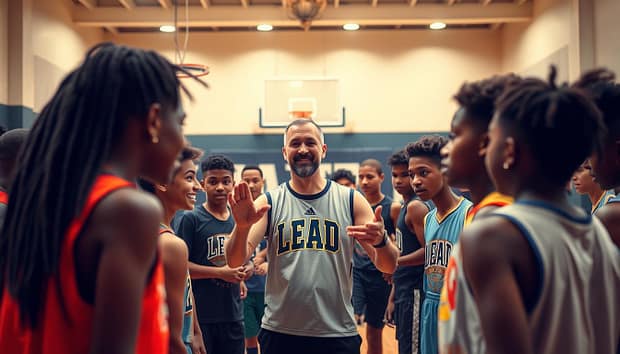
Let’s look at the SBYD funding opportunities paradox. While AAU focuses on expensive sneakers, LEAD uses real people to build courtside empires. They do this with grassroots grants and smart budgeting.
- Grassroots grant-hacking (ever filed a 10-page SBYD application during bus rides?)
- Fourth-quarter psychology tactics sharper than a Broadway director’s notes
- Budget sheets that make Excel weep – $8,000 per season miracles
The harsh truth is, your coaching certification means little when life gets in the way. LEAD’s success comes from understanding and respecting community dynamics.
Want proof? Look at how LEAD youth program differs from AAU:
| LEAD Coaches | AAU Standard | |
|---|---|---|
| Primary Focus | Life skill integration | Tournament rankings |
| Funding Source | SBYD grants + local partnerships | Parent fees + sponsorships |
| Success Metric | Academic improvements | Win-loss records |
The true mastery of coaching? Turning a broken sidewalk into a place for growth. LEAD’s VISTA grads didn’t just run drills. They built SBYD funding opportunities through hard work and advocacy. Now it’s your turn, Coach.
How to Partner/Train with Up2Us
Imagine putting together a top sports team and creating a hit TED Talk playlist. That’s what Up2Us is all about. We’ve trained 31,692 coaches through our Up2Us training program. It’s a mix of tough selection and deep learning. Here’s how to join our “Draft Day 2.0”:
The Partnership Playbook
| Step | Fantasy Draft Element | TED Talk Requirement |
|---|---|---|
| 1. Application | Scouting reports | Vision statement pitch |
| 2. Vetting | Player analytics | Evidence-based strategy |
| 3. Matching | Team synergy scores | Community impact metrics |
| 4. Training | Skill drills | SBYD theory modules |
Our SBYD community collaboration isn’t for the faint of heart. We put applicants through the wringer. We check:
- Organizational culture (no toxic locker rooms allowed)
- Program scalability (can your playbook work in multiple leagues?)
- Data tracking capabilities (stats don’t lie)
The Up2Us evaluation looks at 17 key areas. We want to see your creative problem-solving and community impact. Top picks get access to our coaching toolkit, a mix of analytics and teaching methods.
Pro tip: Don’t just show up with your mission statement. Our team has seen a lot of them. We want hard data and a clear plan for making a difference.
Conclusion: Takeaways from Up2Us
What does victory look like on a Bronx basketball court or a Dallas rec center? Up2Us Sports shows us through sports-based youth development. These programs turn simple actions into life lessons. Every dollar invested in these programs brings back $3.80 in social benefits.
Our approach shows you don’t need fancy gear to fight against unfair systems. Coaches today use stopwatches and emotional support, just like Patton’s army. They help kids build strong minds and bodies, one game at a time.
This isn’t just giving out hugs. It’s about making real changes. SBYD programs help more kids graduate and feel less stressed. They turn community centers into places of strength and support.
After 12 years, Up2Us Sports proves that determination is more powerful than anything else. A Memphis coach says, “We’re not just teaching sports. We’re building strong communities.” Every game is a battle for hope and resilience.
In this unique battle, every pass and shot has a big impact. The true victories are the ones we can’t see. They’re the stronger, more united communities we’re building together.