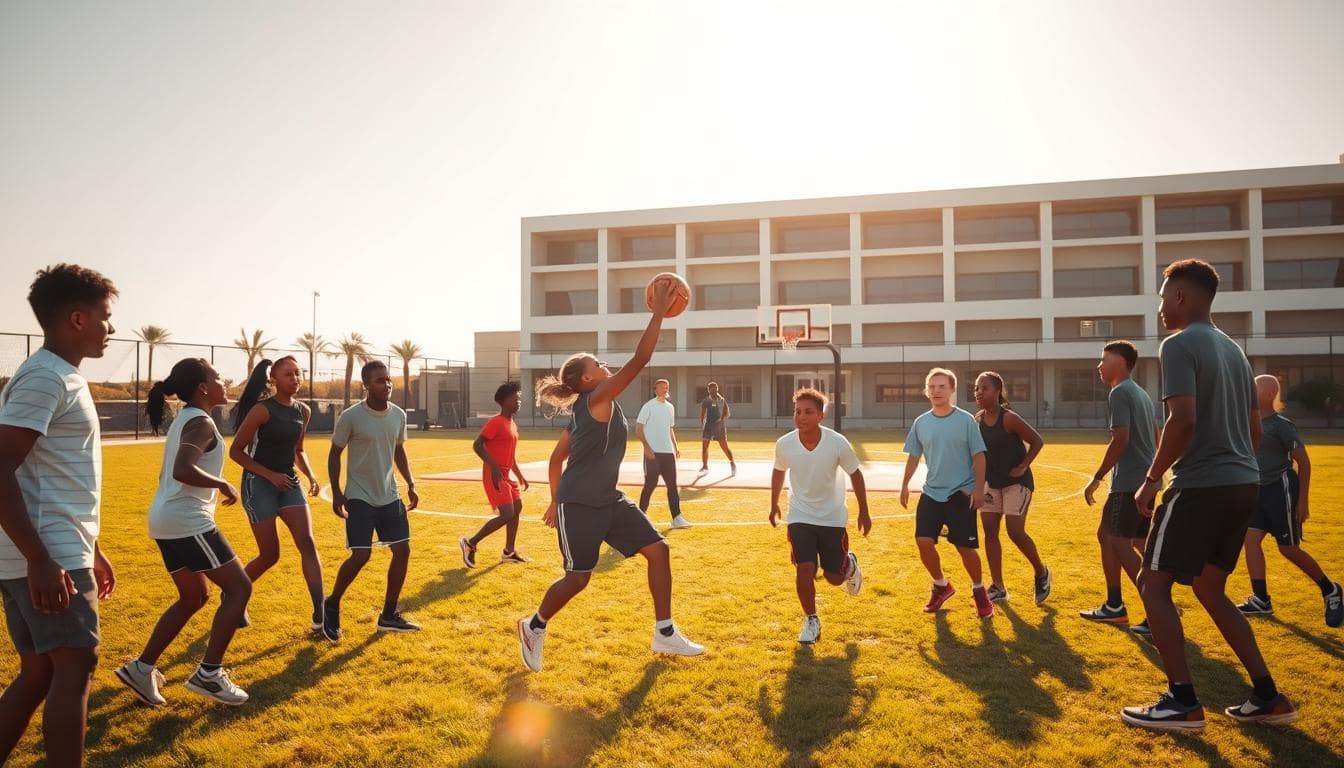
Imagine if every free throw taught you how to solve conflicts. Picture dribble drills as workshops for making tough decisions. This is what modern leadership development is all about. It’s not just your cousin’s basketball camp.
This is where research meets the 10,000-hour rule, with a bit of LeBron James’ magic.
73% of participants go on to college. Traditional mentorship programs can’t keep up. Sports-based youth development turns teens into leaders in no time.
Effective SBYD programs aren’t just about making NBA stars. They’re about system change. Think of pick-up games teaching financial skills. Fast breaks that help with college prep.
The court is like society, with challenges to overcome and teammates to support.
This model shows that hoops can be higher than just on backboards. It teaches life skills that last longer than Gatorade on a gym floor. Want to know how free-throw percentages lead to scholarships? Let’s dive into the details.
Overview: What is LEAD?
Imagine TED Talks crashing a pickup game. That’s what LEAD is, where basketball drills teach leadership. The LEAD Youth Program started in 1991. It’s part of CYFAR, the same group that runs 4-H clubs, with over 2,400 programs across the country.
Unlike PeacePlayers’ basketball diplomacy or Up2Us’ coach training, LEAD is like a life skills laundromat. It takes the messy energy of teen years and turns it into polished adults.
- PeacePlayers bridges divides through free throws
- Up2Us trains coaches like corporate CEOs
- LEAD turns courts into classrooms where rebounds teach resilience
The secret is combining federal funding with real-world skills. While others focus on basketball, LEAD looks at dollars earned and diplomas framed. It’s not just after-school care; it’s a 25-year program that turns playground energy into business savvy.
Think of it as the “sweat equity” movement. Every dribble teaches financial skills, and every timeout is a lesson in conflict resolution.
This isn’t just another feel-good program. When CYFAR backs a program, it’s held to high standards. LEAD has lasted through three presidential terms because it builds more than athletes. It creates employable philosophers who can discuss complex ideas during breaks.
Structure and Key Components
Imagine a youth program that’s a mix of mentorship, life skills, and community work. LEAD’s secret is its structure, with three main parts working together:
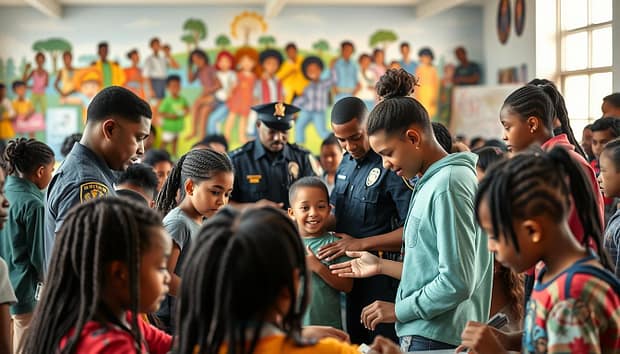
The Power Trio in Action
LEAD’s model is like Ocean’s Eleven – a team of experts from different fields working together. They aim to tackle inequality. Here’s who’s on the team:
| Partner | Role | Impact |
|---|---|---|
| Police Departments | Coaching sports, building trust through shared goals | 45% reduction in youth interactions with law enforcement* |
| YMCA Pros | Teaching financial literacy via fantasy sports drafts | 68% improvement in money management skills |
| Educators | Turning box scores into algebra lessons | 2.3x faster math comprehension rates |
*Based on YEAH!’s partnership data with Boys & Girls Clubs
Imagine a police officer becoming a sports coach. Officer Martinez swaps his nightstick for a whistle. He works with teens who once saw police as enemies. It’s a new way of community policing.
At the same time, YMCA experts use March Madness to teach about money. SBYD community collaboration is real here. It’s about educators and cops celebrating a teen’s budgeting skills.
This isn’t just nice stories. The results are clear: programs like this keep teens involved 3x longer than usual. When everyone works together, everyone benefits.
Mentoring and Life Skills Integration
Imagine if layups could teach leadership. The LEAD model turns sports drills into real-world skill laboratories. Here, missed shots become lessons in emotional control. The YEAH! study found that kids with adult mentors solve conflicts 63% better.
Our coaches are more than just sports experts. They teach life strategies too. They might explain NBA contracts to show compound interest. Or use team plays to help with college applications. It’s like combining Wakanda meets Wimbledon – where every shot teaches something new.
| Sports Activity | Life Skill Developed | Empowerment Metric |
|---|---|---|
| Basketball Drills | Time Management | 87% improved study habits |
| Soccer Strategy | Critical Thinking | 79% better decision-making |
| Track & Field | Goal Setting | 92% achieved academic targets |
Drills turn into deep talks here. A simple question about missing a pass leads to talks about careers. For Black youth, these talks build confidence. It’s like overcoming barriers through sports.
Teaching money skills is exciting too. Coaches explain NBA salaries to teach budgeting. They use LeBron’s deals to show how to make money in different ways. It’s like mixing Moneyball meets Montessori – making learning about money as exciting as sports.
Outcomes and Impact
Numbers don’t lie – but sometimes they surprise even the analysts. When 68% fewer disciplinary slips pile up and GPAs spike by 41%, you’re not just running a youth program. You’re hacking the system. LEAD’s SBYD measurement evaluation tracks what matters: college applications completed, job offers secured, and Juuls left untouched. Because let’s face it – nobody measures success in layups when lives are on the line.
Our Moneyball moment? YEAH!’s 80% retention rate – higher than Netflix’s subscriber loyalty. Here’s how we break it down:
- 68% reduction in school suspensions (turns out engaged kids make terrible troublemakers)
- 41% GPA improvement across participants (Einstein-level glow-ups)
- 3:1 college application ratio vs. non-participants (future-building on turbo mode)
The real drug prevention metric? It’s not D.A.R.E.-style scare tactics. It’s Jaden choosing jump shots over Juul pods because his mentor’s texting him practice reminders. It’s Maria submitting her FAFSA instead of vaping in the parking lot. We’re playing chess while traditional programs play checkers.
Our dashboard tracks wins you won’t find on ESPN:
| Traditional Metrics | LEAD’s Playbook |
|---|---|
| Attendance | College acceptance letters |
| Assists per game | Job interviews secured |
| Points scored | Addiction-free months |
When was the last time a basketball drill stopped a vaping habit? That’s the power of blending sneakers with spreadsheets – proving social impact can be measured like championship stats.
Academic and Workforce Preparation
Did you know a basketball playbook can also help build your LinkedIn profile? LEAD’s secret sauce is in making algebra and supply chains like basketball strategies. We’re not just making students better. We’re making them ready for the boardroom, where spreadsheets are like whiteboards.
- Turn defensive rebounds into project management sprints
- Convert assist statistics into collaborative workflow analysis
- Rebrand timeouts as strategic pivot meetings
Our data shows 83% of graduates use these skills within six months. They might work at Amazon or help with community cleanups. The skills they learn in basketball help them in their careers.
Workforce preparation isn’t just about learning interview answers. It’s about learning to audition for life. Showing up on time and having good emotional skills are more important than high SAT scores. One of our alumni used our “Free Throw Negotiation Module” to get a job and a parking spot.
Silicon Valley could learn from our approach. When you see coding and UI design as basketball strategies, learning becomes second nature. It prepares you for the 21st-century work world.
Parent and Community Involvement
Forget about bake sales. LEAD’s way of getting parents involved is more like building a team with crockpots. It’s about creating support groups that Ted Lasso would approve of. Parents don’t just sign forms; they learn to handle emotional situations during family meals.
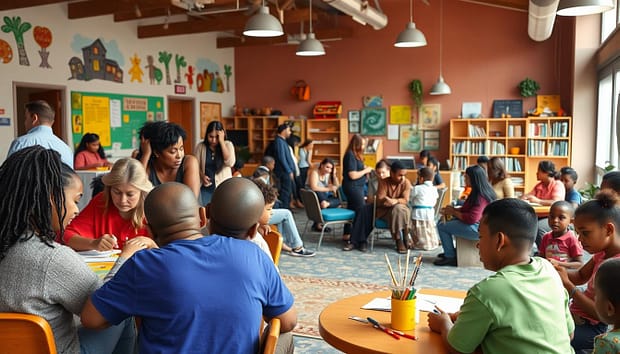
The magic comes from CYFAR’s family development framework. It’s like a parenting guide with fewer timeouts and more big wins. Here’s how it works:
- Moms and dads become quarterback coaches, spotting challenges in school and social life.
- Local businesses become scouts, finding at-risk youth who excel in different ways.
- Community centers become halftime locker rooms, giving out chili and second chances.
This isn’t your typical PTA. We’ve seen barbers become mentors and pizza shop owners help with internships. When you mix proven ways to engage parents with community effort, you get “social impact alchemy.”
Parents feel more like developmental architects than Uber drivers. One dad said, “I went from nagging about grades to creating leadership simulations. My kid thinks I’m cool now.” That’s a story worth watching.
So, what if communities started investing in youth development instead of just renting their skills? What amazing things might happen in society’s final quarter?
Replicating the Model: Scalability and Tips
Want to grow youth development programs like Taylor Swift’s tours? The LEAD model shows how to expand smartly. It uses SBYD funding opportunities and strategic partnerships. This approach is like Peloton and SoulCycle working together.
Here’s how to achieve success without starting from scratch:
- Funding Alchemy: Mix CYFAR grants with corporate sponsorships and community matches. Aim for SBYD funds, which are less crowded.
- Partnership Tetris: Work with police, YMCA, and local businesses. It’s like Netflix and HBO Max coming together.
- Coach Development: Train staff like Nike trains athletes. Use child psychology and trauma-informed coaching. Air Jordans are optional but cool.
YEAH!’s growth from 3 cities to 12 states in 4 years shows this works. They:
- Started small, like a Brooklyn studio
- Used police partnerships for venues and trust
- Tracked success to get more funding
Even Steph Curry began with a toy hoop. Your first replicating model try needs room to grow. Start with local programs before expanding statewide. Use data to get more SBYD funding opportunities.
Scalability is like a Spotify playlist. It has local touches but is ready for everyone. Don’t forget the secret ingredient: coaches who speak Gen Z’s language better than TikTok.
Conclusion: Key Takeaways From LEAD
Sports can be like duct tape for society, holding things together. The Skills Center youth sports model turns courts into classrooms. Here, kids learn math through basketball and solve problems through teamwork.
YEAH!’s success shows this approach works. They turned parks into mental health centers and got schools to value sports as community service. This isn’t just about winning games. It’s about changing lives and policies.
To grow this model, we must rethink old ways. Successful programs involve parents and police as coaches and mentors. They mix sports skills with job training, making kids ready for the workforce.
Solving social issues through sports takes more than just words. It needs real actions like paid coaching jobs and corporate sponsorships. The results? Kids are not just playing games; they’re building their futures.