
Inclusive sports opportunities give young athletes a place to compete, learn, and be known by teammates. The growing influence of Special Olympics shows why inclusion works best when it stays sports-first: real practices, real teams, real competition, and shared responsibility between athletes, coaches, families, schools, and volunteers.
As of 2025, Special Olympics reported 5,139,344 total participants, including athletes and Unified Partners, across 88,748 competitions, 29,005 local clubs and programs, 963,899 volunteers, 99,326 schools engaged, and 105,486 Healthy Athlete screenings, according to its global impact data. Those numbers matter because they show inclusion moving beyond a single event model. They point to year-round sports structures that can shape habits, friendships, school culture, and community pride.
For youth programs, the lesson is hopeful and practical. Inclusion is not a side activity. It can be part of warmups, roster planning, tournament preparation, travel routines, and postgame reflection. When coaches plan for all athletes from the start, young people learn that competitive effort and belonging can grow together.
Inclusive Sports Opportunities Start With Shared Teams
How Inclusive Sports Opportunities Change Practice
The strongest inclusive sports opportunities begin before the first whistle. A coach sets the tone by making every athlete part of drills, communication, and team goals. That means practice design should avoid separating athletes by assumption. Instead, coaches can use stations, peer partners, modified rules, and clear roles so each athlete contributes to the work of the team.
Special Olympics Unified Sports is a clear example of this model. The program brings people with and without intellectual disabilities together on the same teams, and the 2024 Annual Report reported more than 1.3 million Unified Sports participants globally through the 2024 Annual Report. For a local school or recreation program, that structure sends a powerful message: inclusion is not charity. It is shared training, shared accountability, and shared joy in competition.
Team Roles Build Confidence
Young athletes grow when they know their role has value. One player may lead stretching. Another may call out the next drill. A teammate may help reset cones, track repetitions, or encourage communication during small-sided play. These jobs sound simple, but they teach leadership, patience, and trust.
Inclusive coaching also helps athletes without disabilities learn skills that matter off the field. They practice listening, adapting, and seeing teammates as full competitors. Athletes with disabilities gain more chances to lead, take risks, and be recognized for effort and improvement. That shared growth is why Unified-style teams can improve the feel of a school hallway as much as the rhythm of a practice session.
What The Numbers Mean For Local Programs
Scale Creates Community Expectations
Special Olympics’ global reach gives local leaders a useful benchmark. When families, athletic directors, city recreation staff, and school coaches see millions of athletes and partners taking part across local clubs, schools, competitions, volunteer networks, and health screenings, it becomes harder to treat inclusion as optional. The scale shows that communities across the world have found ways to make space for more athletes.
Still, numbers alone do not guarantee a strong youth experience. A program can be large and still miss the heart of inclusion if athletes feel unseen. The local question should be: are young people getting meaningful minutes, consistent coaching, safe social connection, and a real sense of team identity?
Schools Can Turn Participation Into Belonging
Schools are especially well placed to turn sports participation into belonging. When inclusive teams are connected to pep rallies, announcements, student leadership groups, and shared practice space, athletes become part of the wider school story. This is where sports can support attendance culture, peer connection, and student voice.
Local programs can learn from school-based inclusion models, including examples like Unified Sports growth that connects team participation with student belonging. The key is not copying one district exactly. The key is asking what each community can do with its own gyms, fields, volunteers, and student leaders.
Coaching Habits That Keep Inclusion Sports-First
Use Clear Drills And Flexible Competition
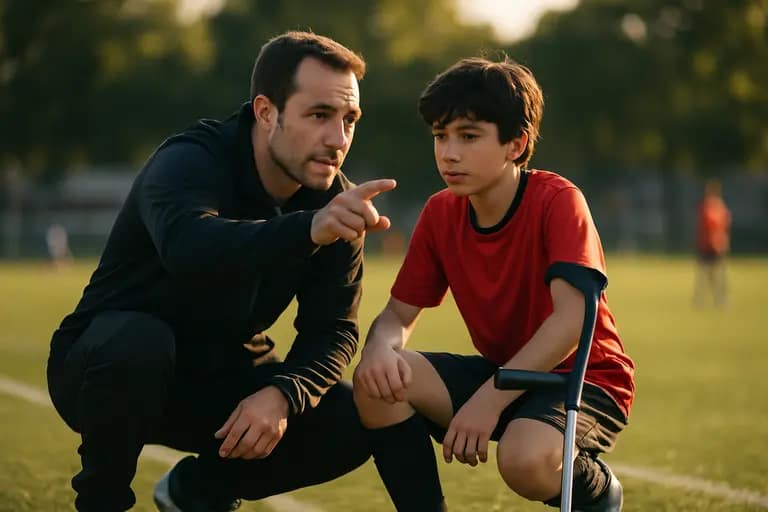
Good inclusive coaching is clear, active, and respectful. Athletes need to know the drill, the goal, and how success will be recognized. Coaches can give one instruction at a time, demonstrate the movement, and let players practice quickly. Long speeches can drain energy. Simple cues help athletes stay engaged.
Flexible competition does not mean lowering expectations. It means choosing formats that let athletes compete with purpose. A basketball coach might use small-sided games to increase touches. A soccer coach might rotate captains so more athletes practice communication. A track coach might pair athletes for pacing and encouragement. These choices keep the sport at the center while giving every player a fair route into the action.
- Start with strengths: Identify what each athlete does well before adjusting a drill.
- Build peer leadership: Give teammates real jobs during warmups, transitions, and cooldowns.
- Protect dignity: Correct skills in a way that keeps athletes included in the group.
- Celebrate effort and execution: Recognize teamwork, communication, and steady improvement.
Families And Volunteers Extend The Team
Families and volunteers often carry the spirit of inclusive sports opportunities beyond the sideline. They help with rides, uniforms, meals, encouragement, and postgame connection. Their support can make participation possible for athletes who might otherwise miss out because of transportation, schedule pressure, or lack of confidence.
Volunteers also help communities see athletes more fully. A neighbor who times races, hands out water, or helps at check-in may begin as a helper and leave as a supporter. That shift is part of the community impact of Special Olympics. The athlete is no longer seen only through a disability label. The athlete is seen as a teammate, competitor, leader, and local representative.
Why Inclusive Sports Opportunities Matter For Youth
From Participation To Community Pride
Inclusive sports opportunities matter because youth sports are one of the few places where growth can be seen in public. Families watch a young athlete finish a race, make a pass, learn a routine, or encourage a teammate. Classmates see effort up close. Coaches see confidence build over weeks of practice. Communities see that shared sport can reduce distance between people.
For young athletes, the impact can be personal. A player who was once quiet may start leading warmups. A student who felt left out may gain a lunch-table friend through a teammate. A volunteer may choose to coach again because the team changed how they understand competition. These outcomes are not separate from sport. They are part of what sport can teach when inclusion is planned with care.
Special Olympics’ growth gives local programs a clear challenge: make the next practice more welcoming, make the next roster more connected, and make the next competition a stronger reflection of the whole community. When inclusive sports opportunities are treated as a normal part of youth development, every athlete gains more than a place to play. They gain a place to belong, contribute, and grow with others.