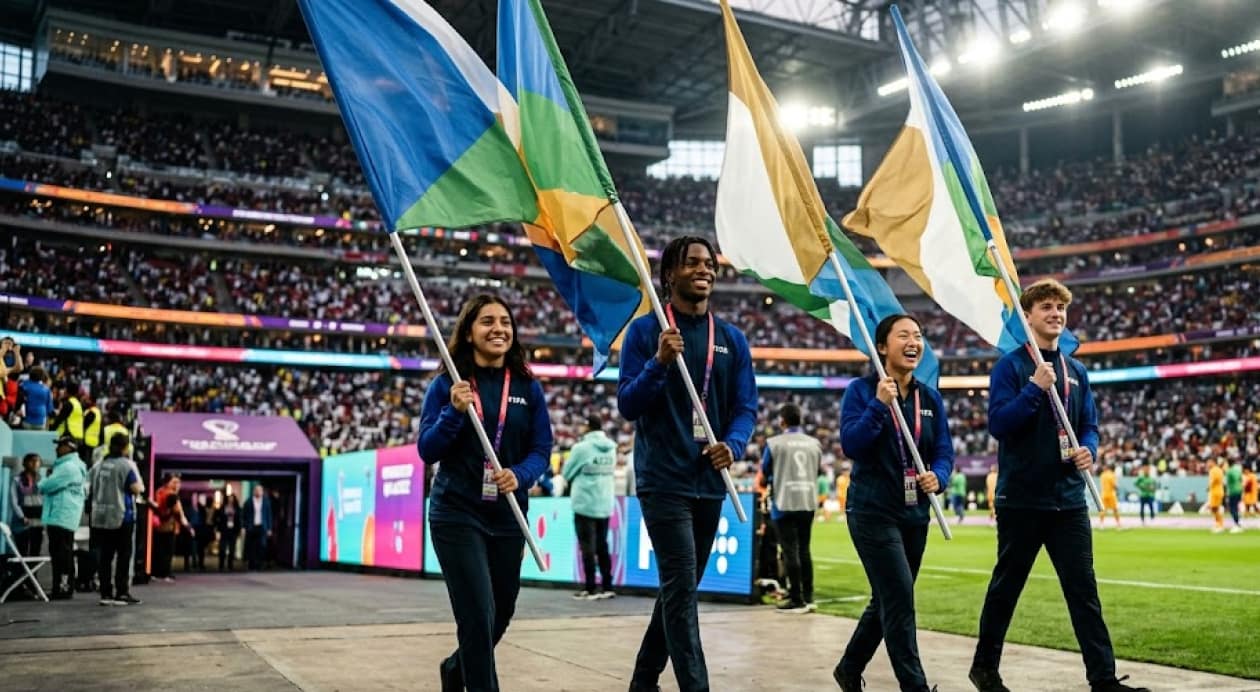
For many young athletes and community volunteers, the FIFA World Cup represents the highest level of international soccer. While millions of fans focus on the action taking place on the field, another memorable experience unfolds moments before kickoff. Selected young people have the opportunity to serve as official FIFA flag bearers, walking onto the pitch alongside players while carrying the flags that symbolize one of the world’s largest sporting events.
This summer, four Houston-area teenagers earned that honor after being recognized through community leadership programs, youth organizations, and local initiatives connected to the FIFA World Cup 2026 festivities. Their selection demonstrates how leadership, volunteer service, resilience, and community involvement can open doors to extraordinary experiences that extend well beyond athletics.
As Houston prepares to host seven FIFA World Cup 2026 matches, including a Round of 32 fixture and two knockout-round contests at NRG Stadium, stories like these highlight how major sporting events can inspire young people while strengthening community engagement across Texas.
Houston’s World Cup Legacy Begins With Its Young Leaders
The FIFA World Cup 2026 is expected to become the largest tournament in the competition’s history, with 48 national teams competing across the United States, Canada, and Mexico. Houston has positioned itself as one of the tournament’s premier host cities through years of planning, infrastructure improvements, and community outreach.
Rather than limiting participation to players and officials, local organizers have worked alongside nonprofit organizations to ensure that young people also become part of the event’s legacy.
Among those selected as official FIFA flag bearers were Ricardo Macedo, Kylea Drew, Camilo Smith, and Alexander Alvarado Jr. Each teenager represents a different pathway toward leadership, yet all share a common commitment to serving their communities and pursuing personal growth.
Their selection reflects more than academic or athletic achievement. It recognizes qualities including perseverance, volunteerism, leadership, resilience, and positive influence within their schools and neighborhoods.
Readers interested in additional examples of youth development can also explore our coverage of community mentorship initiatives that help students strengthen leadership skills through service and civic engagement.
Community Organizations Help Create Life-Changing Opportunities
Houston’s flag bearers were nominated through organizations that have long invested in youth development.
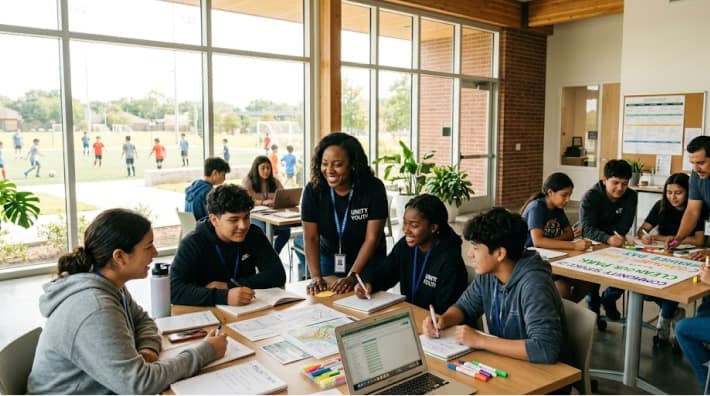
Ricardo Macedo earned recognition through the Boys & Girls Clubs of Greater Houston, an organization that serves thousands of young people each year by providing academic support, leadership programs, career readiness opportunities, and safe after-school environments.
Kylea Drew was selected through Texas Children’s Hospital, where her personal story of resilience and determination inspired those involved with youth advocacy programs.
Camilo Smith participated through community initiatives connected with FIFA’s youth outreach efforts, while Alexander Alvarado Jr. was recognized after participating in public contests celebrating Houston’s role as a World Cup host city.
Each selection illustrates how partnerships among nonprofit organizations, healthcare institutions, educational programs, and international sporting events can create experiences that motivate young people to continue serving their communities.
According to Houston 2026 World Cup Host Committee organizers, engaging local youth remains a central objective as preparations continue toward next summer’s tournament.
Additional information about Houston’s World Cup planning and community engagement efforts is available through the official Houston FIFA World Cup 2026 Host Committee.
Leadership Development Happens Long Before the Spotlight
Walking onto a FIFA World Cup field lasts only a few minutes.
The leadership journey that makes those moments possible often takes years.
Youth development experts consistently note that leadership is built through repeated opportunities to solve problems, collaborate with peers, volunteer in neighborhoods, and overcome challenges. Community organizations frequently become the environments where those experiences begin.
Programs like the Boys & Girls Clubs encourage participants to organize service projects, mentor younger students, participate in educational workshops, and develop communication skills alongside recreational activities.
Healthcare organizations such as Texas Children’s Hospital similarly create opportunities for young patients and advocates to inspire others through resilience and public engagement.
These experiences contribute to the confidence required to represent an entire community on one of the world’s largest sporting stages.
Research from organizations including the Aspen Institute has repeatedly shown that participation in youth development programs strengthens social connections, leadership abilities, emotional well-being, and long-term civic engagement.
Why Major Sporting Events Matter Beyond Competition
Hosting global sporting events often generates discussions about tourism, infrastructure, and economic impact.
Equally important are the opportunities these events create for local communities.
Houston expects hundreds of thousands of visitors during the FIFA World Cup, bringing international attention to the city’s diverse culture, businesses, and neighborhoods. Community outreach programs have become an essential component of those preparations.
Rather than treating youth engagement as a ceremonial addition, organizers have integrated educational initiatives, volunteer opportunities, cultural celebrations, and leadership experiences into planning efforts.
This approach reflects a broader understanding that sports can become catalysts for community development.
Young participants gain exposure to international cultures, public service opportunities, teamwork, and cross-cultural communication while experiencing firsthand the organizational effort required to host one of the world’s largest events.
These lessons often remain long after the tournament concludes.
Families, schools, nonprofit organizations, and civic leaders all play important roles in transforming major sporting events into educational opportunities for the next generation.
The U.S. Soccer Foundation continues promoting youth access to soccer, leadership opportunities, and safe places to play throughout communities nationwide.
Four Stories, One Shared Commitment to Community
Although each Houston teenager arrived through a different pathway, their stories reveal common themes that define successful youth leadership.
| Student | Community Connection | Leadership Quality Recognized |
|---|---|---|
| Ricardo Macedo | Boys & Girls Clubs of Greater Houston | Community involvement and leadership |
| Kylea Drew | Texas Children’s Hospital | Resilience and inspiration |
| Camilo Smith | FIFA youth outreach initiatives | Positive community engagement |
| Alexander Alvarado Jr. | Houston community contest | Civic pride and youth participation |
Their backgrounds demonstrate that leadership opportunities are not limited to varsity athletes or student government officers.
Young people develop leadership through volunteer service, healthcare advocacy, nonprofit involvement, academic achievement, artistic expression, and community engagement.
This diversity of experiences reflects an increasingly inclusive understanding of what leadership looks like across modern communities.
Recognition programs connected to international events can reinforce those values by celebrating character alongside accomplishment.
Building a Lasting Legacy for Texas Youth
Houston’s preparations for FIFA World Cup 2026 extend beyond stadium operations and match schedules.
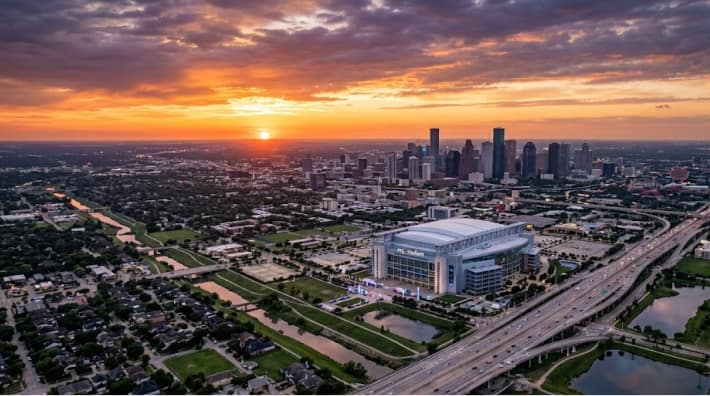
Community organizations continue investing in educational programming designed to encourage volunteerism, cultural understanding, and civic engagement among young residents.
These efforts align with broader goals established by many nonprofit organizations across Texas that seek to prepare future leaders through meaningful service opportunities.
When young people see peers from their own neighborhoods representing Houston on an international stage, they gain tangible examples of what community involvement can achieve.
Recognition programs also encourage younger students to participate in local organizations, volunteer projects, and leadership initiatives that may eventually open similar opportunities.
The long-term value of these experiences cannot be measured solely by tournament attendance or media coverage.
Instead, they contribute to building stronger communities where young people understand that leadership begins through consistent service, personal responsibility, and active participation.
A Global Stage Reflects Local Investment
The selection of four Houston teenagers as FIFA World Cup flag bearers serves as a reminder that international sporting events create meaningful opportunities far beyond competition.
Behind every ceremonial walk onto the field are years of support provided by parents, teachers, nonprofit organizations, healthcare professionals, mentors, and community volunteers who help young people discover their potential.
As Houston welcomes the world during FIFA World Cup 2026, these stories illustrate how local investment in youth development can produce lasting outcomes that extend well beyond a single tournament. Leadership built through service, resilience, and community engagement becomes part of the city’s legacy just as much as the matches played inside NRG Stadium.
For communities across Texas, the message is clear: when young people are given opportunities to lead, they often exceed expectations on both local and global stages.