
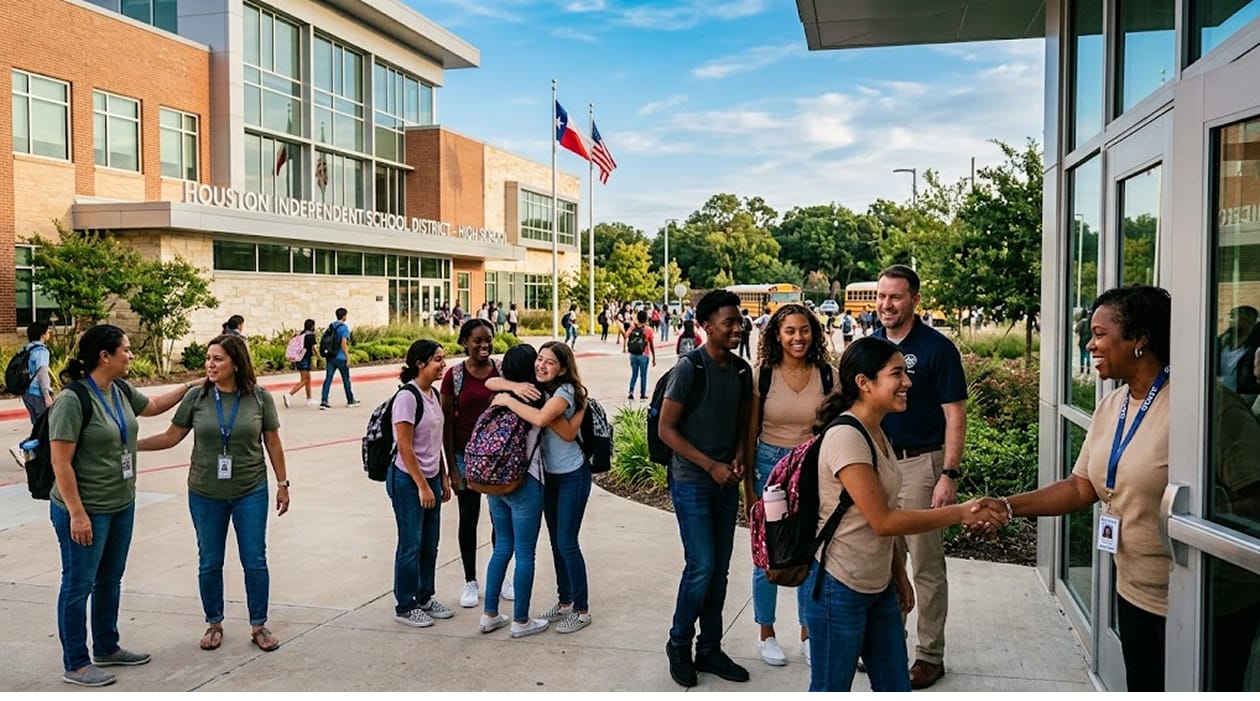
As students prepare to return to classrooms across Texas, schools are increasingly recognizing that academic success depends on more than high-quality instruction. Emotional well-being, positive relationships, and access to mental health resources have become essential components of student development, influencing everything from attendance and classroom engagement to leadership growth and long-term success.
For the 2026–27 school year, Houston Independent School District (Houston ISD) is expanding its focus on student wellness through enhanced mental health initiatives designed to support students, educators, and families. The district’s efforts align with a broader national movement encouraging schools to integrate social-emotional learning, behavioral health services, and preventive support into everyday education.
Serving more than 175,000 students across nearly 280 campuses, Houston ISD is one of the largest public school districts in the United States. Its latest wellness initiatives reflect an understanding that creating supportive school environments helps students build resilience, strengthen leadership skills, and develop healthy relationships that extend well beyond graduation.
Houston ISD Continues Expanding Student Wellness Programs
Ahead of the new academic year, Houston ISD announced additional investments in student wellness that build upon existing counseling services, behavioral support programs, and partnerships with community organizations.
District leaders have emphasized that student well-being remains closely connected to academic achievement. By increasing access to counselors, mental health professionals, intervention specialists, and family resources, Houston ISD aims to identify challenges earlier while helping students remain engaged in learning.
The district’s comprehensive approach includes support for students experiencing stress, anxiety, grief, behavioral challenges, and other social-emotional needs. Rather than responding only after problems emerge, many of the initiatives focus on prevention, relationship-building, and creating positive school cultures.
Families can also benefit from expanded communication with campus staff, helping parents better understand available resources and participate in supporting their children’s emotional development.
Students interested in developing confidence and positive peer relationships can also explore our guide to student leadership development for additional ideas that strengthen communication, resilience, and community involvement.
Mental Wellness Supports Academic and Leadership Success
Growing research continues to demonstrate the relationship between emotional well-being and educational outcomes.
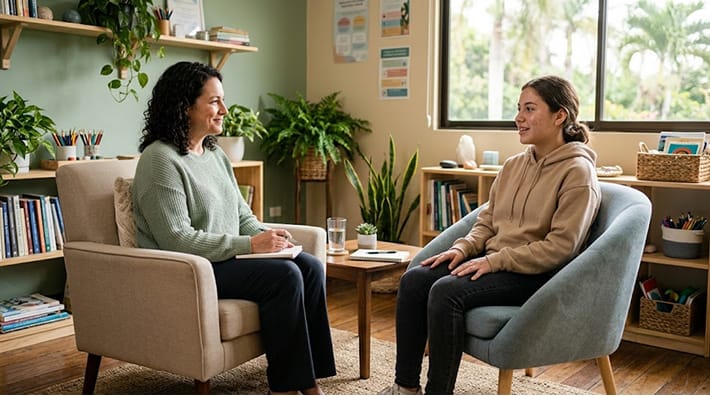
Students who feel safe, supported, and connected to their schools are generally more likely to attend class consistently, participate in learning activities, maintain positive relationships with peers, and develop stronger problem-solving skills.
Mental wellness also influences leadership development.
Young people who learn healthy coping strategies often become more confident communicators, collaborative teammates, and effective peer mentors. These skills contribute to success both inside and outside the classroom.
Houston ISD’s expanded initiatives recognize that emotional health should not be viewed separately from academic performance. Instead, both areas reinforce one another throughout a student’s educational journey.
The Centers for Disease Control and Prevention’s school mental health resources provide additional information about how supportive learning environments improve student health, attendance, and academic engagement.
Building Strong Support Systems Across Campuses
One of the strengths of Houston ISD’s wellness strategy is its emphasis on creating multiple layers of support for students.
Rather than relying exclusively on school counselors, campuses increasingly involve teachers, administrators, social workers, psychologists, nurses, and community partners in identifying student needs and connecting families with appropriate resources.
This collaborative model recognizes that every adult within a school community contributes to creating a positive learning environment.
Support systems may include:
- School counseling and behavioral health services
- Social-emotional learning activities integrated into classrooms
- Family engagement programs and community partnerships
- Crisis response teams and referral networks
Together, these resources create a network designed to address both immediate concerns and long-term student development.
By expanding access to qualified professionals while strengthening collaboration among educators, Houston ISD seeks to reduce barriers that may affect student achievement and overall well-being.
Family Partnerships Strengthen Student Outcomes
Schools achieve stronger results when families actively participate in student development.
Houston ISD continues encouraging parents and guardians to engage with campus counselors, attend informational workshops, communicate regularly with teachers, and utilize available wellness resources throughout the school year.
Research consistently shows that students perform better when schools and families maintain strong partnerships.
Parents often become the first to notice changes in behavior, stress levels, or emotional well-being. Early communication allows educators and support staff to respond more effectively before challenges begin affecting academic performance.
Community organizations also play an important role by offering mentoring programs, healthcare services, after-school activities, and family counseling that complement school-based initiatives.
Additional guidance on supporting children’s mental health is available through the American Academy of Pediatrics, which offers evidence-based resources for families and caregivers.
Social-Emotional Learning Builds Everyday Leadership Skills
Mental health initiatives frequently include social-emotional learning (SEL), an educational approach that helps students strengthen interpersonal and self-management skills.
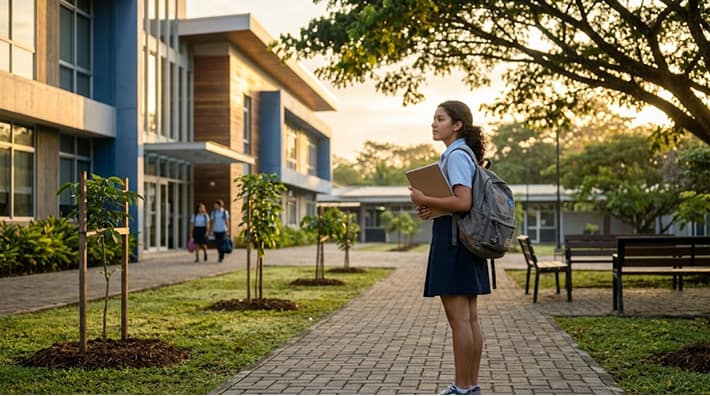
Rather than replacing academic instruction, SEL supports learning by helping students manage emotions, set goals, communicate effectively, and resolve conflicts constructively.
These competencies also contribute directly to leadership development.
Students who understand empathy, collaboration, and responsible decision-making often become positive influences within classrooms, athletic teams, student organizations, and community service projects.
Houston ISD’s continued investment in student wellness reflects a growing recognition that leadership begins with self-awareness and healthy relationships.
When students feel emotionally supported, they are often better prepared to contribute positively to their schools and neighborhoods.
Community Collaboration Expands Student Resources
Large school districts cannot address every challenge independently.
Houston ISD continues working alongside healthcare providers, nonprofit organizations, local governments, universities, and mental health professionals to expand access to services for students and families.
Community partnerships strengthen the district’s ability to connect families with specialized resources while providing educational workshops, outreach programs, and professional development opportunities for educators.
This collaborative approach reflects a broader understanding that youth development depends upon cooperation across multiple sectors.
Healthcare professionals contribute clinical expertise.
Educators provide daily support.
Community organizations create mentorship opportunities.
Families reinforce healthy habits at home.
Together, these partnerships build stronger systems capable of supporting students throughout their educational experiences.
Preparing Students for Success Beyond Graduation
Houston ISD’s expanded wellness initiatives illustrate how modern education increasingly focuses on preparing students for every aspect of adulthood rather than academic achievement alone.
Emotional resilience, effective communication, healthy relationships, adaptability, and responsible decision-making have become essential life skills valued by universities, employers, and communities alike.
Students who develop these abilities often navigate future challenges with greater confidence while contributing positively to workplaces, colleges, and civic organizations.
For educators, investing in student wellness is ultimately an investment in future community leadership.
By strengthening mental health resources, expanding family engagement, and promoting supportive learning environments, Houston ISD continues helping students build the foundation needed for lifelong success.
As schools across Texas prepare for the 2026–27 academic year, Houston ISD’s approach demonstrates that educational excellence and emotional well-being are closely connected. Creating environments where students feel supported, respected, and empowered not only improves classroom outcomes but also helps develop resilient young leaders prepared to strengthen their communities for years to come.