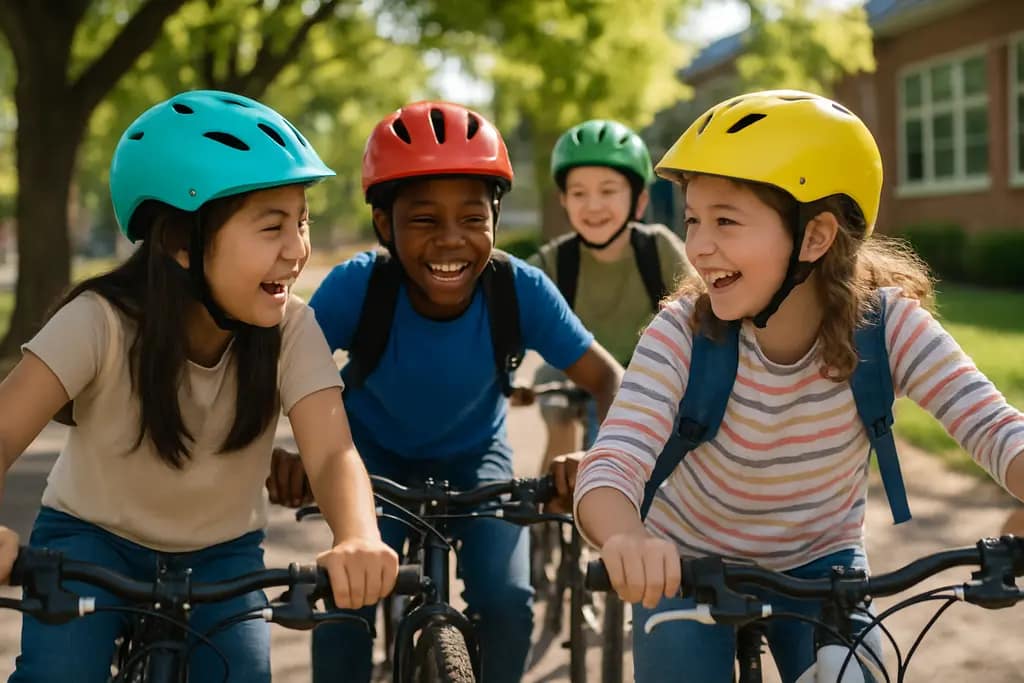
CYCLE Kids biking gives schools a sports-based way to help children build health, confidence, and belonging through a skill many families recognize: riding a bike. In May 2026, CYCLE Kids launched its first Houston, Texas program at McMasters Elementary School, where it was set to reach 161 students in its first year through bike access, bike safety, and riding skills CYCLE Kids expansion announcement. For a Texas school community, that kind of program is not just about equipment. It is about giving students repeated chances to try, wobble, reset, and succeed in front of supportive adults and classmates.
That matters because youth sports development is often strongest when it happens close to where children already learn. A bike unit during the school day can reduce common barriers such as transportation, after-school scheduling, and access to gear. It can also give physical education teachers and school leaders another tool for student growth. Riding asks young people to pay attention, manage risk, follow safety cues, respect spacing, and encourage one another. Those are athletic skills, but they are also classroom and life skills.
CYCLE Kids Biking And The School Day
Why School Access Changes Participation
One of the strongest parts of a school-based biking model is that it meets students where they are. Families do not have to find a private clinic, buy a bike before a child knows how to ride, or arrange travel across town. The school becomes the practice site, and the class structure turns biking into a shared learning experience rather than an individual test.
CYCLE Kids biking can be especially meaningful in elementary schools because students are still building basic movement patterns, self-image, and peer relationships. A child who has not played on a club team or joined a weekend league can still take part. The activity does not depend on being tall, fast, or already skilled. It rewards steady practice. That is a good match for inclusion because progress can be visible in small steps: balancing a little longer, starting with less help, stopping safely, or riding a simple route with classmates.
CYCLE Kids Biking As A Confidence Step
The Houston launch also fits a broader pattern from the same May 2026 CYCLE Kids announcement: the organization opened a program at East Linden Elementary in Columbus, Ohio, planned to serve 100 students in its first year new community programs. Those two school examples show a practical growth path: start with a campus, bring bikes and safety instruction into a familiar space, and let students experience success through guided practice.
Confidence in youth sports is not built by praise alone. It grows when a child does something hard and can feel the difference between the first attempt and the next one. Biking makes that progress easy to see. A student may begin with fear of falling, then learn how to coast, steer, brake, and ride beside others. That sequence helps children connect effort with improvement. For families and educators, those moments can carry into other parts of school life, including attendance habits, willingness to try new activities, and peer support.
Inclusion Through Riding Skills
What Adaptive Lessons Teach All Programs
Inclusion in sports means more than inviting every child to the same space. It means designing instruction so more children can take part with dignity. Research on a specialized five-day bicycle riding intervention for children with sensory-motor, social, or developmental disabilities found that all participating children achieved independent riding, defined in the study as more than three pedal rotations on a two-wheel bike; parents also reported gains in areas such as rules-following, peer interaction, routines, and self-esteem bicycle riding intervention study.
That study is not the same program as CYCLE Kids, so it should not be treated as proof of identical outcomes. It does, however, point to why biking can be a strong inclusion sport. Riding brings together balance, planning, body awareness, social cues, and emotional regulation. Children may need different levels of support, but the goal is clear and concrete. A rider knows what success feels like: the bike moves forward, the body stays balanced, and the student completes the task.
Safety As A Shared Team Standard
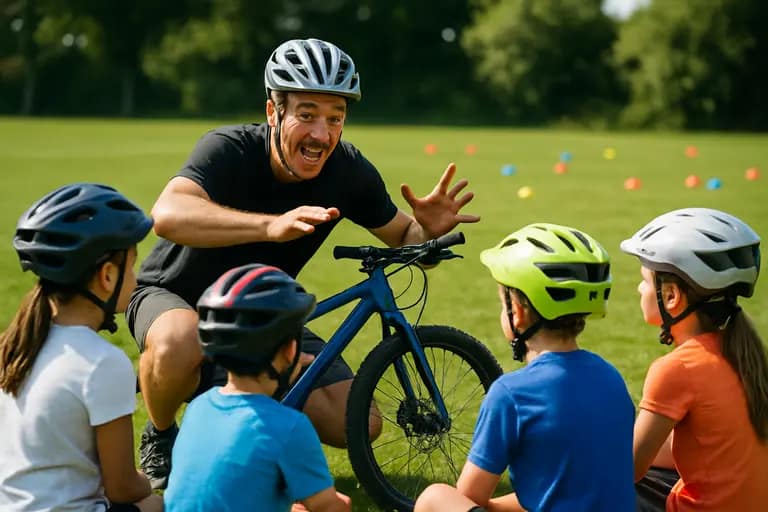
Bike safety also creates a team standard. Students learn that helmets, spacing, stopping, and listening are not private choices during a group ride. They affect classmates. That gives coaches and teachers a natural way to talk about responsibility without turning the lesson into a lecture. In a good biking session, students see that safety is part of respect.
For children who are shy, new to sports, or unsure of their physical skills, this can be a gentler entry point than a scoreboard-centered activity. No one has to be the top scorer to matter. A child can help set cones, remind a friend to check a helmet, celebrate a classmate’s first full ride, or model patience while waiting a turn. Those small roles help build belonging, which is the heart of inclusive youth development.
What Coaches And Schools Can Build Around Bikes
A Practical Youth Development Framework
Schools and community partners can treat a bike program as more than a physical education unit. It can become a youth development framework with clear habits and shared language. Coaches, teachers, and volunteers can reinforce the same expectations across each session: try safely, listen carefully, encourage others, and reflect on progress.
For local leaders who want to connect sports with student growth, a biking program can support several goals:
- Physical activity: students use balance, strength, coordination, and endurance while learning a lifetime movement skill.
- Confidence: riders can see improvement from one session to the next, which helps effort feel worthwhile.
- Peer connection: classmates can cheer progress, share space, and practice patience together.
- Safety habits: helmet use, stopping, spacing, and direction-following become part of the routine.
- Family pride: a child learning to ride can create a memorable milestone that families understand right away.
This is where CYCLE Kids biking fits well with the wider youth sports mission. The bicycle becomes the sport tool, but the bigger win is a child learning that practice can change what feels possible. For readers who follow youth development across several sports, our article on how a fit youth program builds athlete confidence connects with the same idea: supportive sports settings can help students grow beyond the drill or game.
Keeping The Local Lens Clear
For Houston, the available CYCLE Kids source confirms the McMasters Elementary launch and the first-year student target, but it does not state how many other Houston schools may follow. That means the fair reading is focused: this was a first local program, not a citywide rollout. Even so, first programs matter. They give school staff, families, and community partners a place to learn what works before expanding support.
Local businesses, parent groups, school districts, and civic organizations often look for youth sports efforts that are easy to understand and easy to rally around. Bikes meet that standard. People can picture the need, the practice, and the result. A child who rides independently for the first time does not need a trophy to feel proud. The achievement is visible.
Why CYCLE Kids Biking Matters For Local Inclusion
CYCLE Kids biking matters because it places a confidence-building sport inside the daily life of a school. That setting can help more children take part, especially those who might not reach a private sports program after the final bell. It also gives teachers and coaches a shared activity that supports movement, safety, self-control, and peer encouragement.
The inclusion lesson is simple and powerful: children grow when communities create safe chances to practice hard things. A bike program can turn a school blacktop into a place where students learn balance in both the athletic and personal sense. They learn to start again after a mistake. They learn that classmates can be supporters, not just competitors. They learn that health and confidence can grow together.
For Texas communities watching the McMasters Elementary example after its May 2026 launch, the next useful question is not about hype. It is about support. Which schools have students who could benefit from bike access? Which partners can help with safe spaces, storage, volunteers, and family communication? Which teachers and coaches can connect riding lessons to broader school goals? When those pieces come together, biking becomes more than a unit in physical education. It becomes a community-backed path for youth inclusion, one pedal stroke at a time.