
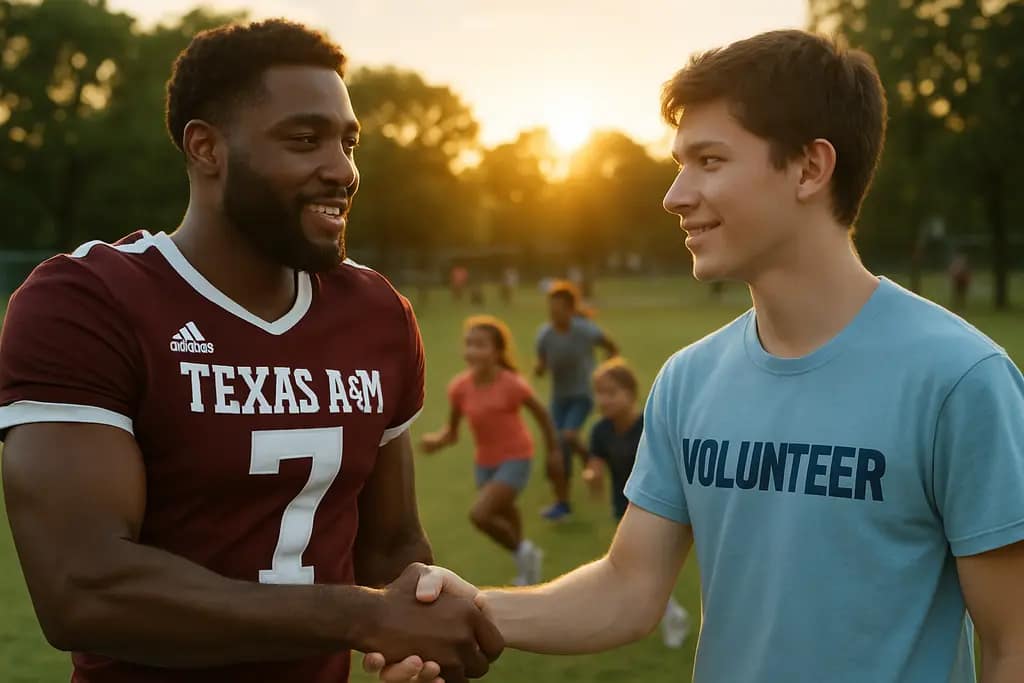
Marcus Ratcliffe Service is an impact story rooted in football, discipline, and care for people beyond the field. At Texas A&M, Ratcliffe has built his profile as a safety while connecting his platform to veterans, local youth programs, and volunteer work in the Brazos Valley. On July 20, 2026, Texas A&M announced that Ratcliffe had been named a nominee for the 2026 Allstate AFCA Good Works Team, an honor tied to leadership, academic achievement, and community service Texas A&M announcement.
That recognition matters because it puts a sports-first story in a wider community frame. Ratcliffe’s work is not separated from football. It is connected to the daily habits that sports can teach young people: showing up, staying accountable, serving teammates, and using attention for a purpose bigger than personal achievement. For families, coaches, and school leaders, his example offers a clear message: athletic success can sit beside community responsibility, and both can strengthen youth development.
Marcus Ratcliffe Service And The Aggie Standard
Production On The Field
Ratcliffe’s community story carries weight because it is paired with real football responsibility. During the 2025 season, he finished with 65 tackles, including 32 solo stops, and three pass breakups; Texas A&M also reported that he ranked seventh among SEC safeties in total tackles official athletics report. Those numbers point to a player trusted in the defensive structure, where communication, tackling angles, and preparation shape each game.
For young athletes, that detail matters. Service can sound distant if it is framed only as charity outside the gym, field, or locker room. Ratcliffe’s model is different. He shows that community work can grow alongside the pressure of college football. A safety has to read quickly, support teammates, and finish plays with consistency. Those same habits can show up in volunteer settings, where reliability and respect often matter more than attention.
Marcus Ratcliffe Service also gives coaches a practical teaching point. Players do not have to wait until their playing days are over to serve. They can build service into a season, into team culture, and into how they treat people who may never appear on a stat sheet. That is where sports become a tool for character building instead of only competition.
Mission 3:12 As A Football-Linked Commitment
One of the clearest parts of Ratcliffe’s public service work is Mission 3:12. Through that initiative, he pledges a $312 donation for every turnover recovered by the Texas A&M defense. The money supports World War II veterans by sponsoring trips to Normandy for annual D-Day commemorations, according to Texas A&M’s July 20, 2026 announcement.
The structure of Mission 3:12 is meaningful because it ties a team result to community care. A turnover is a defensive moment built by many players: pressure, coverage, pursuit, communication, and awareness. Ratcliffe’s pledge turns that team moment into support for veterans. It is a simple connection, but it can be powerful for young athletes learning that sports achievements can carry shared purpose.
The initiative also helps youth see history through a human lens. Supporting veterans is not abstract when a named person, a trip, and a ceremony are part of the story. For a school coach or youth program leader, this is a useful example: a service project can be stronger when it has a clear action, a clear beneficiary, and a clear connection to team goals.
Mission 3:12 And Community Memory
Honoring A Veteran Through Team Support
In February 2026, Ratcliffe helped raise $27,563 at the second annual Mission 3:12 dinner for Jack Hugman, a 98-year-old World War II veteran. That total was nearly five times higher than the previous year’s fundraising total, according to Yahoo Sports. The size of that effort shows how a college football platform can gather people around a concrete community goal.
For youth development, the value is not only in the amount raised. It is in the pattern the story sets. Young people often learn civic habits by watching trusted older athletes and mentors. When they see a college player use football relationships to support a veteran, they can better understand service as part of leadership. It becomes something active: organizing, inviting, giving, and following through.
Marcus Ratcliffe Service gives local programs a story they can use without turning it into a lecture. Coaches can ask players what cause they would connect to a team milestone. A flag football team might connect interceptions to food donations. A school basketball team might connect assists to reading minutes with younger students. The point is not to copy Ratcliffe exactly. The point is to help youth connect sports goals with care for neighbors.
Why The D-Day Connection Matters For Young Athletes
Mission 3:12’s focus on Normandy trips for D-Day commemorations also invites reflection. Sports teams often teach respect through pregame routines, captains’ roles, and senior nights. Ratcliffe’s initiative expands that respect across generations. A college athlete honoring World War II veterans shows young players that leadership includes remembering people whose service came long before their own season began.
That message is especially strong in communities built around schools and local teams. When youth sports programs teach respect for elders, gratitude, and responsibility, they help strengthen the social bonds around the field. Families, teachers, veterans, local businesses, and athletes can all see a place for themselves. Football becomes more than a Saturday result. It becomes a meeting point for shared values.
How Local Volunteering Connects Sports And Youth
Service In The Brazos Valley
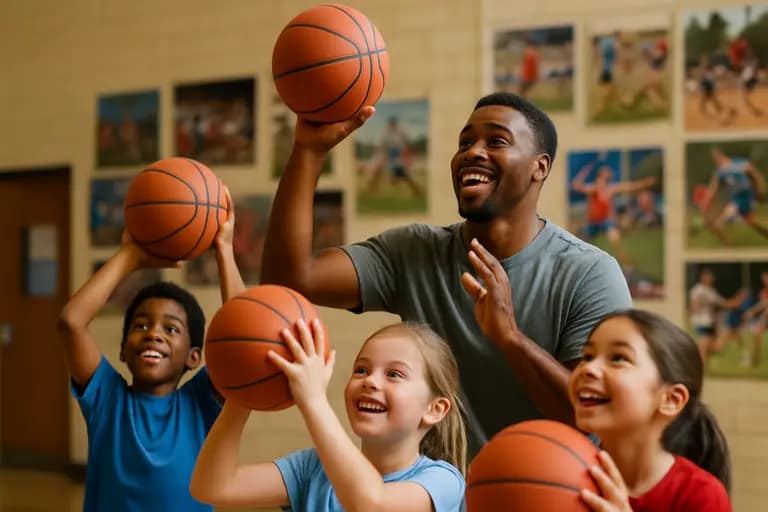
Ratcliffe’s service work extends beyond Mission 3:12. Texas A&M reported that he volunteers regularly in the Brazos Valley community, including with the AlphaBEST after-school program at Bonham Elementary School, Habitat for Humanity, Next Level Youth Flag Football, and through Rock Church in San Diego, California. Those settings reach different parts of a young person’s world: school, housing, sports participation, and faith-based community support.
This range matters because youth development is not built in one location. A child may find confidence at an after-school program, learn teamwork at flag football, see service modeled at a build site, and hear encouragement from a college athlete who makes time to be present. Each setting can add structure and belonging.
For local schools, athlete volunteers can also help make sports feel reachable. Not every child will become a college player, but many can learn the behaviors that sports reward: effort, listening, patience, and cooperation. When a Texas A&M athlete shows up in youth spaces, the message is personal. Young people can see that the same person making tackles on Saturdays can also serve in classrooms, youth fields, and community projects.
Marcus Ratcliffe Service As A Youth Example
Marcus Ratcliffe Service offers a strong example for coaches who want to connect player development with community impact. The lesson is not that every athlete needs a large fundraiser. The lesson is that each team can build a service habit that fits its size and setting. A middle school team can write notes to veterans. A high school team can help at a youth clinic. A college team can support local after-school programs through consistent visits.
Service also gives athletes another way to define success. Wins, tackles, and starts matter in competitive sports, but they do not tell the full story of growth. Young players need examples of leadership that include empathy and responsibility. Ratcliffe’s work gives them a real college football model to study.
- Connect a team achievement to a service action, as Mission 3:12 does with defensive turnovers.
- Choose a cause with a clear human connection, such as veterans, students, or youth sports participants.
- Keep service consistent, so young athletes see it as part of team identity rather than a one-day event.
What Marcus Ratcliffe Service Means For Texas A&M Youth Impact
Marcus Ratcliffe Service shows how a college athlete can connect performance, gratitude, and local responsibility. His 2025 production placed him among productive SEC safeties, while his community work connected Texas A&M football to veterans, elementary students, youth flag football, and service groups. That blend is the kind of sports model communities can build around.
For Texas A&M fans, the story adds depth to what they see on game day. Ratcliffe is not only contributing inside the lines; he is also using the visibility of Aggie football to support people across age groups. For youth coaches and school leaders, the story offers a practical template. Tie sports to service. Make the action specific. Let young people see that leadership is measured by how they treat teammates, elders, and children who look up to them.
That is why Marcus Ratcliffe Service resonates beyond one roster bio or award nomination. It points to a healthier sports culture, where achievement and service grow together. When athletes learn to compete with purpose and serve with consistency, communities gain more than strong players. They gain young leaders prepared to care for the places that helped shape them.