
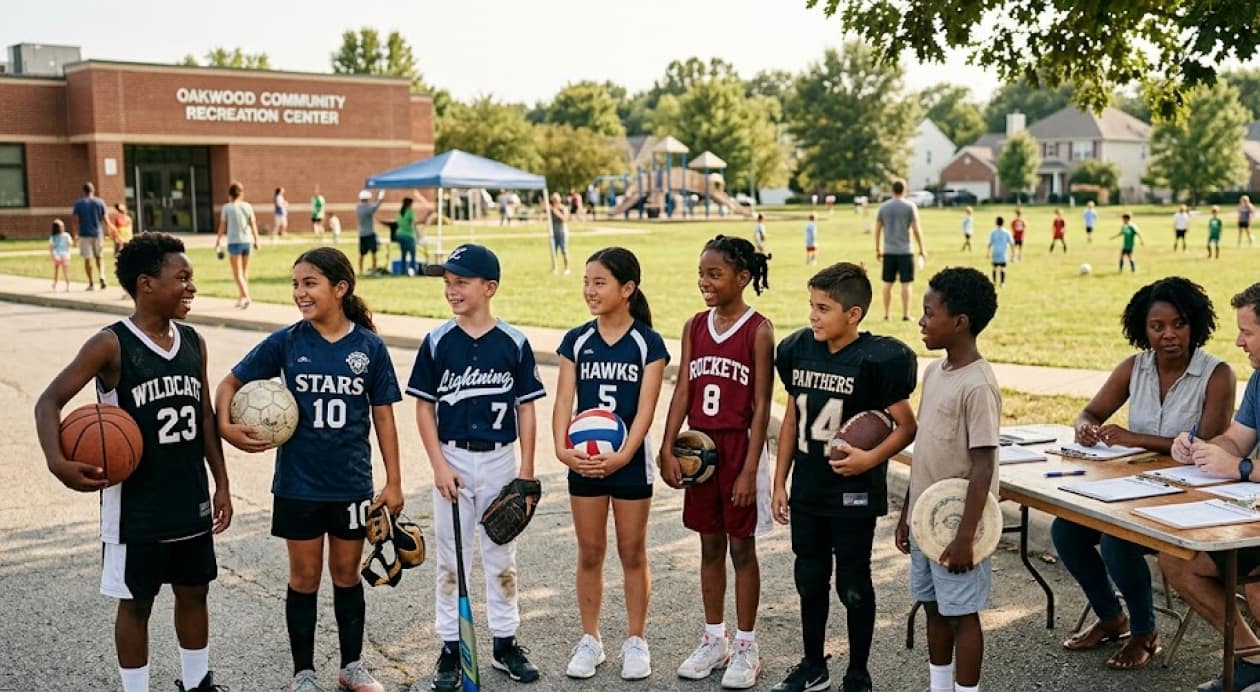
Youth sports have long been viewed as one of the strongest environments for developing leadership, teamwork, discipline, and confidence. Across the United States, millions of children participate in organized athletics each year, gaining experiences that extend far beyond the playing field. Yet for many families, the financial commitment required to keep children involved has grown substantially over the past decade.
That issue reached the national stage in June 2026 when members of Congress held discussions examining the increasing cost of youth sports and its effect on participation, family finances, and equal access to athletic opportunities. Lawmakers, sports organizations, researchers, and community leaders shared concerns that rising expenses are preventing many children from experiencing the personal and educational benefits that organized sports provide.
For organizations dedicated to positive youth development, including those across Texas, the discussion highlights an important question: how can communities continue creating opportunities that allow every young person to participate regardless of financial circumstances?
Congress Focuses on Affordability and Youth Participation
The congressional discussion centered on growing evidence that organized youth sports have become significantly more expensive for American households. Registration fees, tournament travel, specialized coaching, uniforms, equipment, hotel accommodations, and club memberships have transformed what was once considered an affordable community activity into a major household expense for many families.
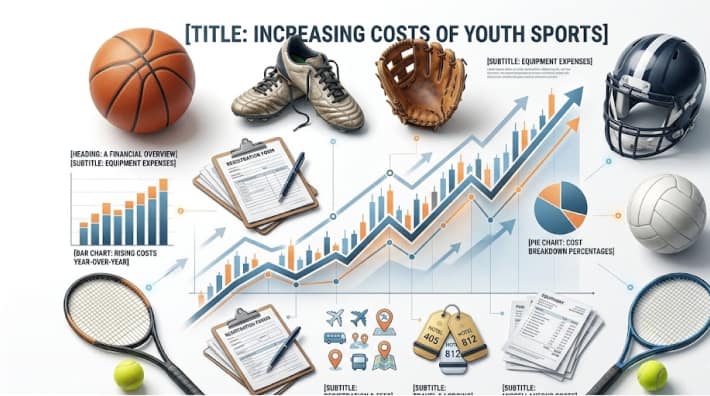
Research presented during the discussion referenced findings from the Aspen Institute’s Project Play initiative, which has tracked participation trends nationwide. According to recent reports, families often spend well over $1,000 annually per child on sports participation, while competitive travel programs can cost several thousand dollars each season.
Members of Congress emphasized that participation in sports should not depend primarily on household income. They also discussed how financial barriers may contribute to declining participation among children from lower-income communities despite strong evidence that athletics support academic achievement, physical health, and emotional well-being.
The conversation included perspectives from nonprofit organizations, youth sports advocates, researchers, and community recreation leaders who encouraged greater investment in affordable local programs.
Readers interested in broader youth leadership initiatives can also explore our coverage of student leadership programs that help young people build valuable life skills beyond competition.
The Numbers Behind Rising Youth Sports Costs
Several national studies illustrate how dramatically youth sports expenses have evolved.
| Expense Category | Common Cost Range |
|---|---|
| League Registration | $150–$600 |
| Club Team Fees | $1,000–$5,000+ |
| Equipment | $200–$1,500 |
| Tournament Travel | Hundreds to thousands per season |
| Private Coaching | $50–$150 per session |
The shift toward year-round competition has played a major role. Many athletes now participate in multiple leagues, specialized camps, private lessons, showcase tournaments, and offseason training programs.
According to the Aspen Institute’s Project Play research, children from higher-income households participate in organized sports at considerably higher rates than those from lower-income families, creating an opportunity gap that extends into education, leadership development, and long-term health outcomes.
Many experts who testified during the congressional discussion argued that community recreation leagues remain one of the most effective ways to increase participation because they generally maintain lower costs while emphasizing skill development and inclusion.
Additional research and national participation data are available through the Aspen Institute Project Play, which continues tracking trends affecting youth sports across the United States.
Financial Pressure Extends Beyond Registration Fees
The total cost of participation often extends well beyond the initial sign-up fee.
Families frequently encounter expenses that accumulate throughout an entire season, including transportation, lodging for tournaments, specialized footwear, nutrition, uniforms, photography packages, fundraising obligations, and time away from work.
Parents with multiple children participating in different sports often face even greater financial challenges. Weekend travel schedules may require hotel stays, increased fuel costs, restaurant meals, and missed work hours.
These financial realities were discussed extensively during the congressional hearing as lawmakers explored whether communities need additional support for affordable recreation programs and local athletic facilities.
The discussion also highlighted that rising expenses can affect rural communities differently than large metropolitan areas. Families living farther from competitive leagues frequently incur additional transportation costs simply to access organized competition.
For many community organizations, reducing travel requirements while expanding local recreational opportunities may represent one practical solution.
Youth Sports Deliver Benefits That Reach Far Beyond Athletics
While much of the congressional discussion focused on affordability, lawmakers consistently emphasized the value that youth sports provide to children and adolescents.
Research continues to associate organized athletics with numerous positive developmental outcomes, including:
- Higher levels of physical activity
- Improved teamwork and communication skills
- Greater confidence and resilience
- Increased school engagement
- Stronger relationships with positive adult mentors
Sports also provide structured environments where young people learn responsibility, accountability, and conflict resolution while building friendships across diverse communities.
Many educators note that participation often complements classroom learning by encouraging goal setting, perseverance, and time management.
The long-term impact extends beyond athletic performance. Employers, universities, and community organizations frequently identify leadership experiences gained through sports as valuable indicators of collaboration and problem-solving abilities.
More information about national recommendations for youth physical activity and healthy development can be found through the Centers for Disease Control and Prevention.
Community Partnerships Can Reduce Participation Barriers
Although Congress discussed possible policy approaches, many solutions are already emerging through partnerships among schools, nonprofit organizations, municipal recreation departments, and private sponsors.
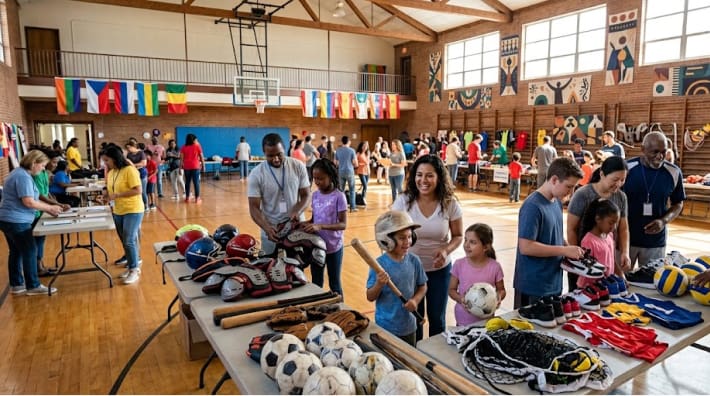
Several communities have expanded scholarship programs that cover registration fees for qualifying families. Others have introduced equipment exchanges, allowing children to receive gently used gear at little or no cost.
School districts have also partnered with local businesses to sponsor community leagues while reducing financial burdens for parents.
These collaborative efforts demonstrate that affordability challenges do not always require nationwide solutions. Local leadership often produces meaningful results by bringing together public agencies, nonprofit organizations, athletic associations, and community volunteers.
Texas communities have increasingly embraced these partnerships as youth organizations seek to create accessible opportunities that encourage participation regardless of household income.
The Role Coaches and Mentors Continue to Play
Affordability remains only one factor influencing youth participation.
Coaches, mentors, and volunteers continue serving as the foundation of successful youth sports programs. Their ability to create welcoming environments often determines whether children remain engaged throughout adolescence.
Congressional discussions also highlighted the importance of coach education, emphasizing positive coaching practices that prioritize personal growth alongside athletic performance.
Programs that focus on sportsmanship, character development, and emotional well-being often produce benefits that continue into adulthood, regardless of competitive success.
Volunteer coaches also help communities maintain affordable programs by reducing operational costs while strengthening local relationships between families, schools, and recreation organizations.
As communities continue addressing financial challenges, investing in qualified mentors remains one of the most cost-effective strategies for supporting positive youth development.
Building More Inclusive Opportunities for the Next Generation
The recent congressional examination of youth sports costs reflects a broader national conversation about ensuring equal access to experiences that contribute to healthy childhood development.
As participation expenses continue rising, communities across the United States face important decisions about balancing competitive opportunities with affordable recreational access. Research consistently demonstrates that athletics contribute to stronger physical health, improved academic engagement, leadership development, and lifelong social skills.
By strengthening partnerships among schools, nonprofit organizations, municipal recreation departments, local businesses, and volunteer leaders, communities can expand opportunities for young athletes while reducing financial barriers for families.
The conversation taking place in Congress ultimately extends beyond sports budgets. It focuses on preserving access to experiences that help young people grow into confident leaders, active citizens, and engaged members of their communities.