

The youth sports world needs family members to get involved. Coaches teach skills, but what parents do matters a lot. It shapes a young athlete’s future.
Strategic alignment between sports groups and families is key. When adults know their role, they help create a better place for growth.
Good Parent Engagement is vital for a healthy sports culture. Groups that talk clearly with parents keep more kids playing and make them happier.
Intentional parent involvement makes sports a great way to learn. Leaders work together to help kids grow, not just win games.
Establishing Parent Engagement Strategies
Setting up clear communication channels early in the season changes parents’ roles from just watching to being active participants. When teams define their goals at the start, everyone understands what’s expected. This helps avoid disagreements and keeps everyone focused on the athlete’s development.
Coaches and leaders need to clearly share team rules to avoid confusion. By explaining what’s expected about playing time, showing up to practice, and behavior, they guide everyone towards success. This openness helps build a respectful and accountable team culture.

Having consistent family support is key for any youth sports team. When parents know the program’s goals, they can support those values at home. This support turns challenges into allies who help spread the program’s message.
Building trust means staying engaged all season. Teams that hold pre-season meetings often see better cooperation and less conflict. These meetings let coaches share their strategic vision and make parents feel included and informed.
The main aim is to involve families in the athlete’s growth without undermining the coach’s role. Giving parents a chance to share their thoughts keeps the environment positive. By focusing on these strategies, programs can create a lasting, supportive environment for all young athletes.
Building Bridges: Success Stories of Families Involved
Changing a youth sports program starts when families get involved. Parent involvement is key for growth and stability. Families help out in many ways, from handling logistics to mentoring.
This involvement creates a strong community feeling. Families work together, building strong bonds. These bonds make everyone feel like they belong.
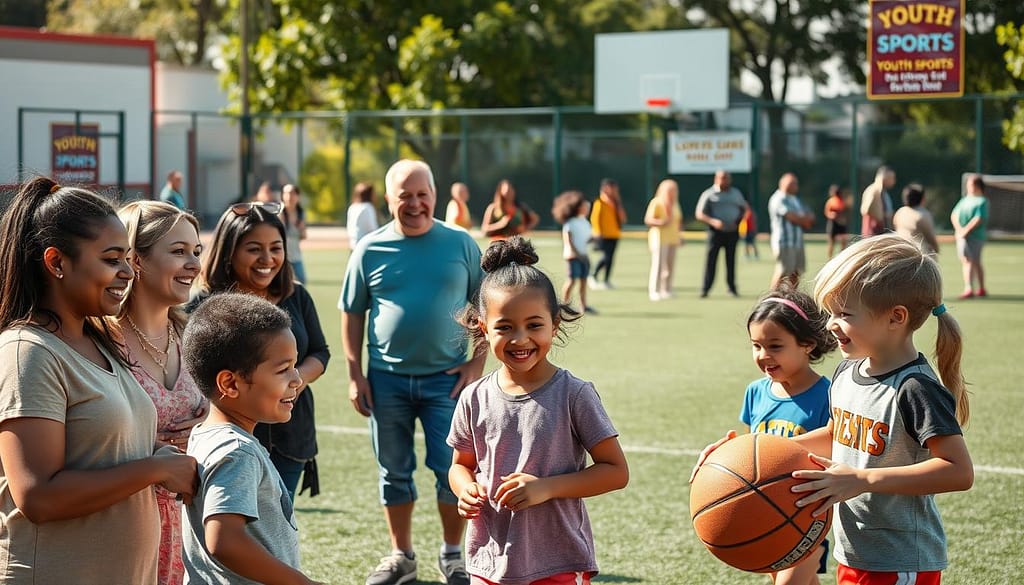
Good programs have clear ways for families to get involved. Knowing what is sports-based youth development helps parents see their role. This makes everyone’s efforts work together towards the program’s goals.
Regional youth leagues show how to share responsibilities. Here, parent involvement is a big part of the team. This keeps the community involved for the long run.
Good communication and clear expectations are key. When parents know how they help, they stay involved. This teamwork makes youth sports programs great.
The best programs see families as partners, not just spectators. By building a strong community, everyone wins. This teamwork is the secret to lasting success in youth sports.
Deploying Resources and Communication Plans
Standardizing communication channels helps avoid emotional decisions in tough situations. Organizations with structured operational frameworks create a stable environment for athletes. This builds a stronger community by making sure everyone knows their role.
Good family support starts with clear rules for how to interact. Setting expectations early reduces misunderstandings. Giving parents a digital handbook or a special portal keeps information consistent all season.
The 24-hour rule is key for keeping professional boundaries. It says parents must wait a day before talking to a coach about game-day issues. This rule helps start solution-oriented dialogue instead of quick emotional reactions.
The table below shows the main parts of a good communication plan. It helps with family support and strengthens the community:
| Resource Type | Primary Objective | Implementation Method |
|---|---|---|
| Communication Policy | Define interaction norms | Digital Handbook |
| Conflict Resolution | Ensure objectivity | 24-Hour Rule |
| Feedback Loop | Improve transparency | Quarterly Surveys |
Using these resources helps leaders avoid subjective decisions. A focus on professional communication keeps the program’s integrity. This setup lets coaches focus on development while keeping parents informed and involved.
Encouraging Positive Parent-Coach Collaborations
It’s key for coaches and families to work together well for young athletes to grow. When they share the same goals, they offer the family support needed for success. This focus on growth, not just winning, is important.
Coaches should set clear rules for parents before the season starts. This helps parents know how to support their kids in a good way. It makes the game environment better for everyone.
Changing how we praise athletes is a big step. Praising effort and hard work, not just winning, is healthier. This helps athletes grow and succeed in many areas.
Organizations should make sure parents are involved and heard. This helps avoid problems and builds trust. Coaches who listen well get more support from parents and the team.
Good teamwork needs a few important things:
- Consistent Communication: Keeping everyone updated on team goals and rules.
- Shared Values: Everyone working together on sportsmanship and character.
- Constructive Feedback: Focusing on effort and how to get better, building family support in the community.
The main goal is to put the athlete’s needs first. By working together, coaches and parents can create a supportive place for young athletes to grow.
Measuring the Impact of Family Involvement
Tracking data is key to growing youth sports. Organizations that measure their success see how Parent Engagement keeps athletes coming back. By watching these numbers, leaders can make their programs better and stay true to their mission.
When parents are involved in a structured way, sports clubs become more stable. Clubs like US Youth Soccer and Little League Baseball see better family happiness. This shows them where to put their resources for the best results.
Good leaders always check how things are going. They look at how long-term interactions with families and athletes work out. Clubs that value these relationships do better in the competitive sports world. Success comes from carefully watching and improving every interaction.