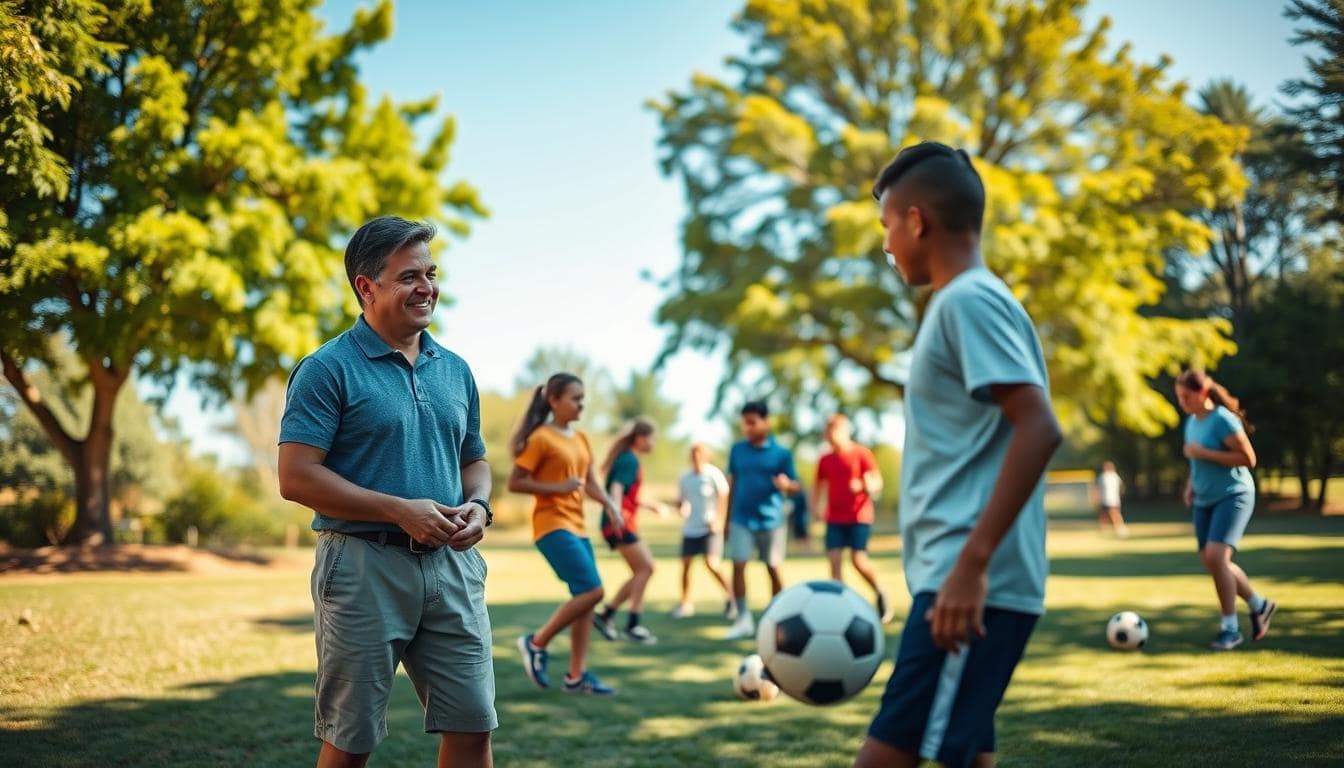
Youth sports are key for growing character and athletic skills. The quality of guidance is critical for success. Strategic leadership makes sure every athlete gets the support they need.
Organizations need a careful plan to match people for growth. Mentor Matching is the base for these relationships. It aligns goals and values, setting up athletes for success.
Studies show that shared interests lead to better outcomes. When leaders share common interests, trust grows faster. This structured approach turns coaching into a valuable experience for both athletes and organizations.
- Strategic alignment is essential for youth development.
- Shared interests significantly increase the success rate of guidance programs.
- Deliberate pairing processes foster stronger, more productive relationships.
The Impact of Mentorship in Sports
Effective mentor programs help athletes grow in competitive sports. They bridge the gap between natural talent and professional skills. By linking young athletes with experienced mentors, they build a culture of growth and responsibility.
These relationships shape young athletes’ character and decision-making. Strategic alignment between mentor and mentee is key. When programs focus on meaningful connections, talent flourishes under expert guidance.
Cultural and ethnic factors are vital in mentorship. Matching based on shared identity is important, if requested or needed. This ensures mentorship is relevant and impactful for each individual.
While shared interests are key, flexibility is also essential. Leaders must align their goals with the diverse needs of athletes. An adaptable approach creates inclusive environments where every athlete can reach their best.
Creating Successful Mentor Matching Systems
Good mentor matching systems are key for growth in youth sports. They pair young athletes with role models who have experience. This helps athletes get consistent and reliable guidance as they grow.
Studies from the University of Illinois at Chicago show that long-term mentoring is more impactful. It lets the mentor and athlete build a strong relationship over time. Trust building is key to this, helping both sides meet their goals.
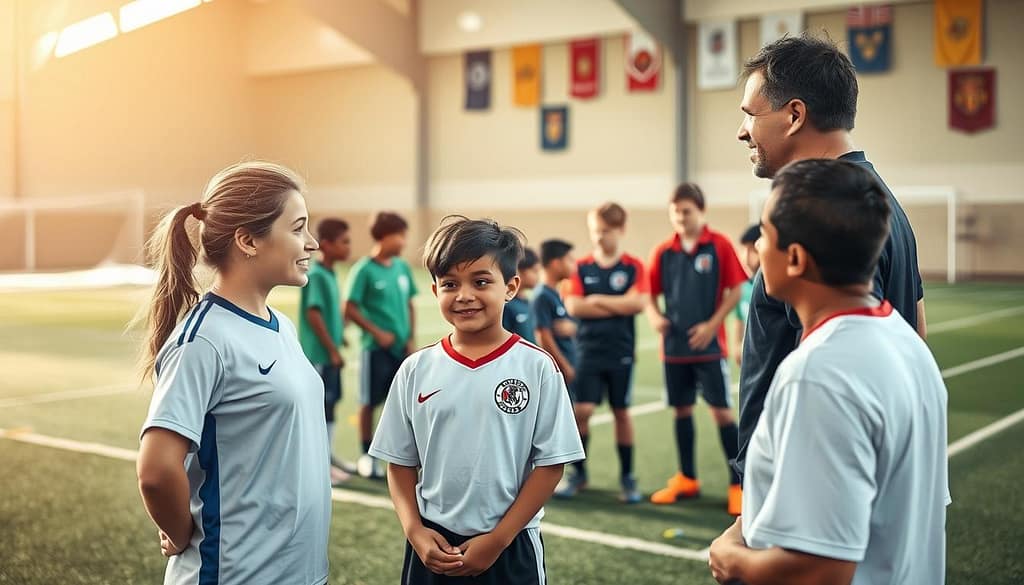
A strong system needs clear rules for starting and keeping mentorships going. Using trust building exercises helps create a safe space for talking openly. This keeps the mentor-athlete bond strong, even when things get tough.
The table below shows what’s needed for top-notch mentorship in sports.
| Component | Primary Objective | Expected Outcome |
|---|---|---|
| Strategic Pairing | Skill Alignment | Increased Engagement |
| Consistent Check-ins | Relationship Stability | Long-term Retention |
| Feedback Loops | Performance Growth | Continuous Improvement |
| Resource Allocation | Support Sustainability | Program Scalability |
Using these strategies, leaders can create a place where role models really make a difference. Good systems help young athletes succeed by giving them the support they need. Focusing on these key areas helps mentorships thrive.
Story of Impact: Coach and Protégé Partnership
Mentorship programs shine when we look at a strong coach-protégé bond. By focusing on intentional recruiting and detailed training, success is built. This method makes sure mentors are ready to handle their athletes’ emotional and physical needs.
Good programs mix intentional recruiting, thorough training, and support. Coaches who act as positive role models teach more than just skills. They guide personal growth. By building supportive adult-youth relationships in sports, the experience gets better.
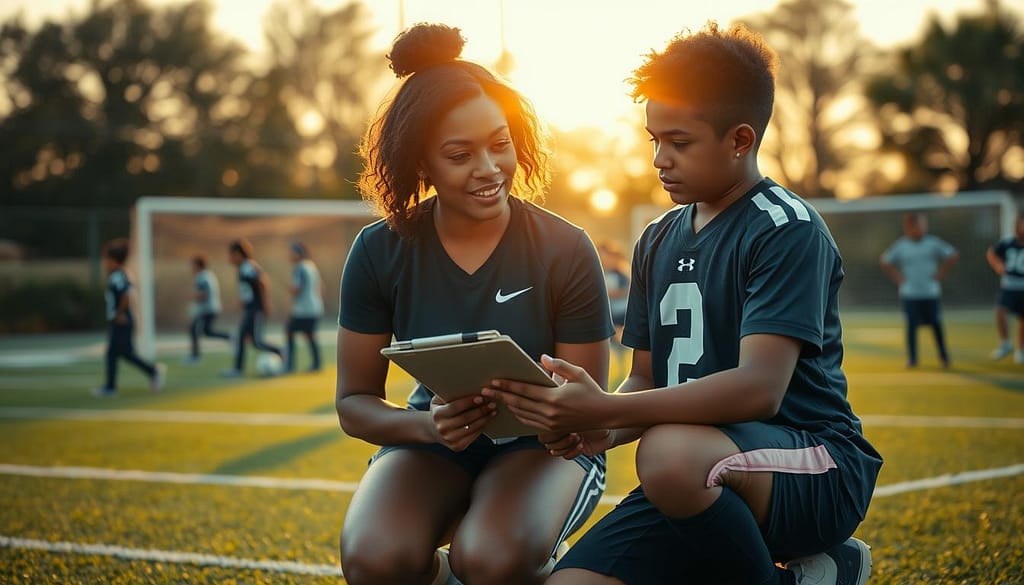
The effects of these partnerships are clear and deep. Studies on mentoring impact show that steady guidance boosts retention and performance. When mentors are role models, athletes gain the confidence to succeed in sports and life.
To keep these standards high, clear rules and expectations are needed. This professional setting keeps the partnership strong and focused on goals. Here’s what makes a coach-protégé relationship successful.
| Component | Primary Objective | Expected Outcome |
|---|---|---|
| Intentional Recruiting | Align values and skills | Stronger initial connection |
| Thorough Training | Develop coaching expertise | Increased mentor confidence |
| Ongoing Support | Address evolving challenges | Long-term partnership stability |
| Defined Expectations | Establish clear boundaries | Professional growth environment |
Developing Mentor Training and Support
The success of mentor programs relies on good training and support. Without it, mentors may not stay engaged. This can harm the young people they’re helping.
Good training sets the stage for success. It teaches mentors what to expect and how to communicate. This builds trust and stability in the program.
Supporting mentors is just as important. Regular meetings and resources help them handle challenges. This keeps the mentorship strong and caring.
The table below shows what’s needed for a strong mentor program.
| Component | Primary Objective | Frequency |
|---|---|---|
| Initial Orientation | Define core expectations | Pre-assignment |
| Skill Workshops | Enhance coaching techniques | Quarterly |
| Performance Reviews | Assess relationship health | Bi-annually |
| Crisis Support | Mitigate negative outcomes | On-demand |
By investing in these steps, mentor programs can really help young athletes. Organizations that focus on these areas show they care about doing things right. A well-supported mentor can make a big difference in a young person’s life.
Tracking the Impact of Mentorship Relationships
Measuring the success of a development initiative is key. Organizations should focus on top mentorship program metrics. This ensures every pairing stays productive and meets core goals.
Having a baseline of meeting at least twice a month for a year is important. It sets the stage for long-term growth.
Effective Mentor Matching goes beyond initial compatibility. It needs ongoing oversight to check if participants meet their goals. Regular check-ins help identify any development gaps early on.
Building trust between a mentor and protégé takes time. This trust grows when both keep a regular communication schedule. Leaders can then see if the relationship adds real value to the athlete.
Strategic planning turns a simple pairing into a powerful tool for growth. Organizations that track progress well create environments where talent flourishes. Regular evaluation keeps mentorship at the heart of excellence in sports.