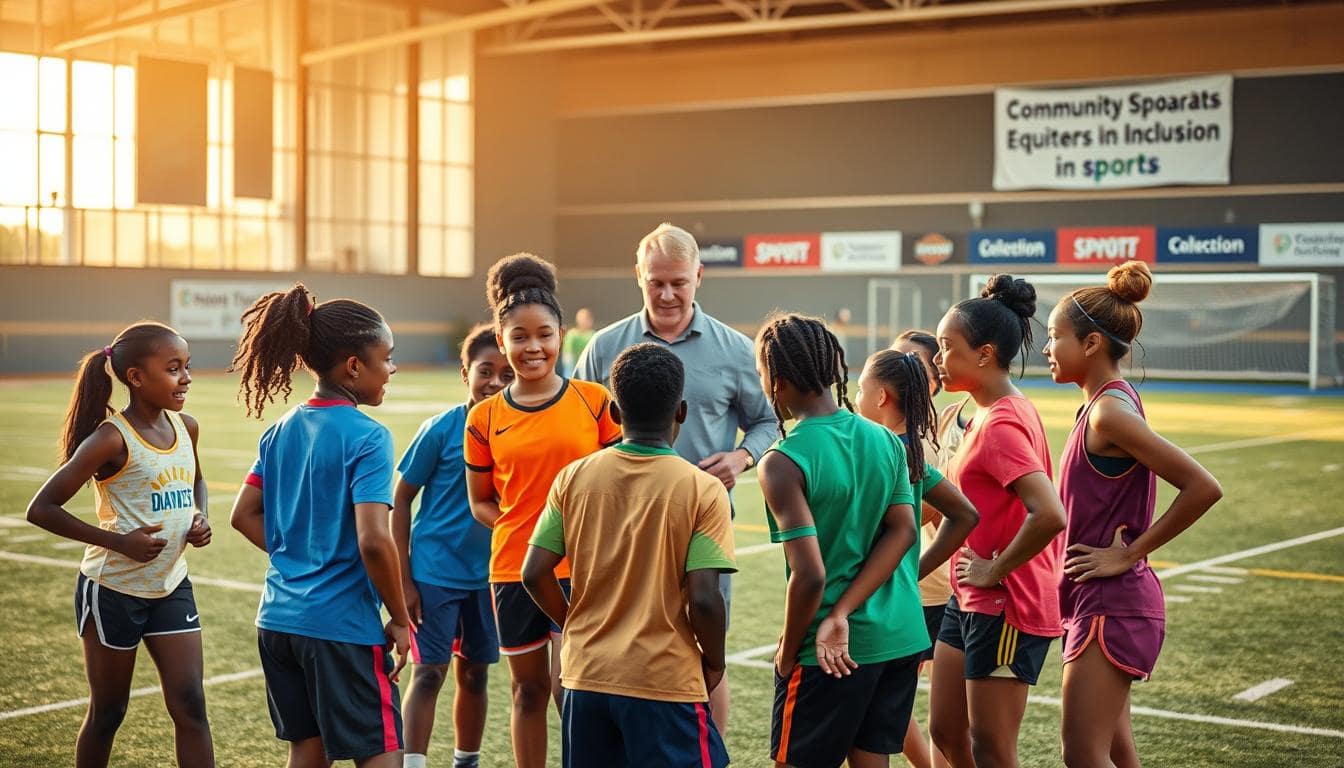
Imagine a world where every child feels they belong. Where the playing field is truly level, not just in score, but in opportunity. This is the transformative power of sport at its best.
Genuine unity requires more than just opening the gates. It demands intentional effort to build bridges where walls once stood. Sports create shared experiences that forge deep connections, turning strangers into teammates.
This spirit is celebrated globally on the International Day of Sport for Development and Peace. The theme “Sport: Building Bridges, Breaking Barriers” captures a profound truth. Athletic programs are powerful platforms for development, peace, and fostering racial equity.
Organizations like United Through Sports lead this charge. By uniting giants like the IOC, IPC, and Special Olympics International, they show what’s possible. Their work proves that strategic collaboration with schools and community groups is essential. Together, we can create a more equitable world, one game at a time.
Crafting Inclusive Programs
Inclusive sports programs are not accidental. They are made with purpose, teamwork, and a clear goal of belonging. This effort turns the dream of “sport for all” into a real, powerful reality.
Global sports leaders are at the forefront. They create rules that make sure everyone has a chance. The International Powerlifting Federation (IPF) and the International Federation of Muaythai Associations (IFMA) are leading the way. Their work shows that choosing inclusion brings great rewards.
| Federation | Key Inclusive Strategy | Primary Impact |
|---|---|---|
| International Powerlifting Federation (IPF) | Paralympic Integration & Collaboration with IPC | Unified competition structure for athletes of all abilities |
| International Federation of Muaythai Associations (IFMA) | Building Platforms for Global Collaboration | Fostering a deep sense of community and belonging |
The IPF has been working towards inclusion for over 30 years. They’ve made big strides, like fully integrating Paralympic powerlifting. This was done by working closely with the International Paralympic Committee (IPC) and Special Olympics.
IPF President Gaston Parage says, “The benefits of inclusion are immeasurable. It brings a collective joy and reveals our shared humanity.” This belief is put into action. The federation’s Sports for All Commission, led by Robert Keller, makes sure policies are followed.
IFMA is also working hard to create inclusive communities. They want everyone to feel they belong. Sue Glassey of IFMA says their goal is to “create a community where everyone has a place.” This focus on belonging is key to their model.

Gender inclusion is a vital part of any inclusive program. True equality means making sure everyone has the same chances. Programs must welcome, respect, and empower all participants, no matter their gender identity.
These examples show that a well-planned approach works. It involves clear policies, dedicated teams, and partnerships. The result is a place where diversity is celebrated. Everyone feels valued and has the chance to succeed. Creating such programs is the first step towards uniting the world through sports.
Real-Life Case Study: A League of Difference
In Reykjavik, Iceland, a crowd of 19 adaptive athletes made history. They were part of the 2024 World Open Equipped Powerlifting Championships. This event was special because it included Special Olympics athletes alongside world champions.
These athletes competed alongside the best in the world. They used the same equipment and were under the same lights. The event was live-streamed on the Olympics YouTube channel, attracting over 20,000 viewers.

One highlight was when three sisters, all powerlifters, stood together on the podium. Their story of family support and victory touched everyone. It showed how authentic inclusion brings people together in amazing ways.
Gaston Parage, the IPF President, summed it up well. He said, “In sport, there are winners and losers, but in Iceland, we saw only winners.” This quote highlights the event’s success in changing what we see as winning.
This story teaches us about successful adaptive sports inclusion. It went beyond words and showed us what’s possible. It showed that athletes of all abilities can shine and inspire on the biggest stages.
The success in Iceland offers a blueprint for change. It shows we need action, not just words, to break down barriers. By including adaptive sports in big events, we challenge old views and build a more inclusive sports world.
Overcoming Barriers: Culture, Gender, Ability
Inclusion in sports means more than just letting everyone in. It’s about tearing down barriers of culture, gender, and ability. These barriers often work together, keeping talented youth from playing. Programs need to focus on removing these obstacles.
Cultural norms can block the way. Achieving racial equity means creating spaces where everyone feels valued. It’s not just about seeing yourself in the game. It’s about respecting different cultures and making sure programs fit everyone.
Gender inclusion fights stereotypes that decide who plays what sport. It’s about making sports safe and welcoming for all. This means equal access to facilities, coaching, and chances to compete. It also means fighting bias to show respect.
Ability barriers go beyond physical access. They include biases against neurodiversity and cognitive differences. The goal is to make sure everyone, no matter their ability, feels they belong. This means more than just making room. It’s about celebrating all kinds of abilities.
The International Federation of Muaythai Associations (IFMA) shows the way. They put inclusion at the heart of their mission. They featured Para and Special Muaythai divisions at the World Combat Games in Riyadh. It was a big step towards celebrating all abilities.
Sue Glassey leads this movement with a clear vision. She wants a community where everyone feels at home. Raissa Remandaban Magnin also shares this dream. She talks about making inclusion a part of the sport’s culture for good.
Real change needs investment in people. Coaches and leaders need training to understand these barriers. Programs that mix racial equity and gender inclusion are key. This work, as shown in research on community-based sports, leads to lasting change. The aim is a place where effort and heart are all that matter.
Stories of Personal & Community Growth
When youth are given a platform in sports, they don’t just play—they lead, advocate, and build a more inclusive world. The human impact of inclusive athletics shines brightest through the inspirational journeys of young leaders. Their stories show how adaptive sports fuel incredible personal growth and spark community transformation.
Ezra Frech is a powerful example. A Paralympic gold medalist in track and field, he turned his personal experience into a force for good. Ezra founded Angel City Sports, a non-profit that provides year-round adaptive athletic opportunities for children and adults with physical disabilities. His journey in adaptive sports did more than build physical strength. It built a leader and an entrepreneur dedicated to breaking down barriers for others.
Husnah Kukundakwe made history as the youngest Ugandan Olympian ever. As a swimmer with a physical disability, she uses her global platform for powerful advocacy. Husnah speaks out for disability rights and inclusion, showing how sport can be a launchpad for social change. Her story proves that participation in inclusive sports creates confident advocates who challenge stereotypes and inspire nations.
Harmonie-Rose Allen, a Pride of Britain award winner, demonstrates profound resilience. After overcoming immense health challenges, she found joy and strength through adaptive athletics. Her spirit and public story have inspired her entire community. Harmonie-Rose shows that personal victory in sport can uplift everyone around you, creating a ripple effect of hope and determination.
These young people are not just participants. They are architects of sport’s future. Their experiences in adaptive programs taught them leadership, problem-solving, and empathy. They now use those skills to design better opportunities for the next generation. This shift—from beneficiary to builder—is the true engine of lasting change.
The community growth sparked by their actions is undeniable. Ezra’s foundation creates local sports hubs. Husnah’s advocacy changes national perceptions. Harmonie-Rose’s courage strengthens community bonds. Each story starts with a personal challenge met through sport. Each one then expands into a wider movement of inclusion and support.
Adaptive sports provide the unique tools for this growth. They teach that differences are strengths. They build communities where everyone belongs. When young leaders like Ezra, Husnah, and Harmonie-Rose step forward, they show us the full adaptive sports can achieve. They prove that the field of play is also a training ground for life and a catalyst for a better world.
Keeping Score: Measuring Inclusion Metrics
True inclusion in sports is more than just counting people. It’s about lasting change. We need to measure safety, belonging, and empowerment. These are the real signs of true diversity & inclusion.
United Through Sports believes in this deeply. It has a strong focus on child safety and protection. It works with Mission 89 to fight exploitation in youth sports.
Its “The Line We Don’t Cross” campaign will tackle human trafficking. Protecting the vulnerable is key to building bridges.
Strong partnerships are essential for this work. UTS has 157 international partners, including the UN and UNESCO. These alliances help safeguard the promise of sport for every child.
The path to true diversity & inclusion is long. It requires constant effort and commitment. By focusing on real impact and protection, sports can be a place for everyone.