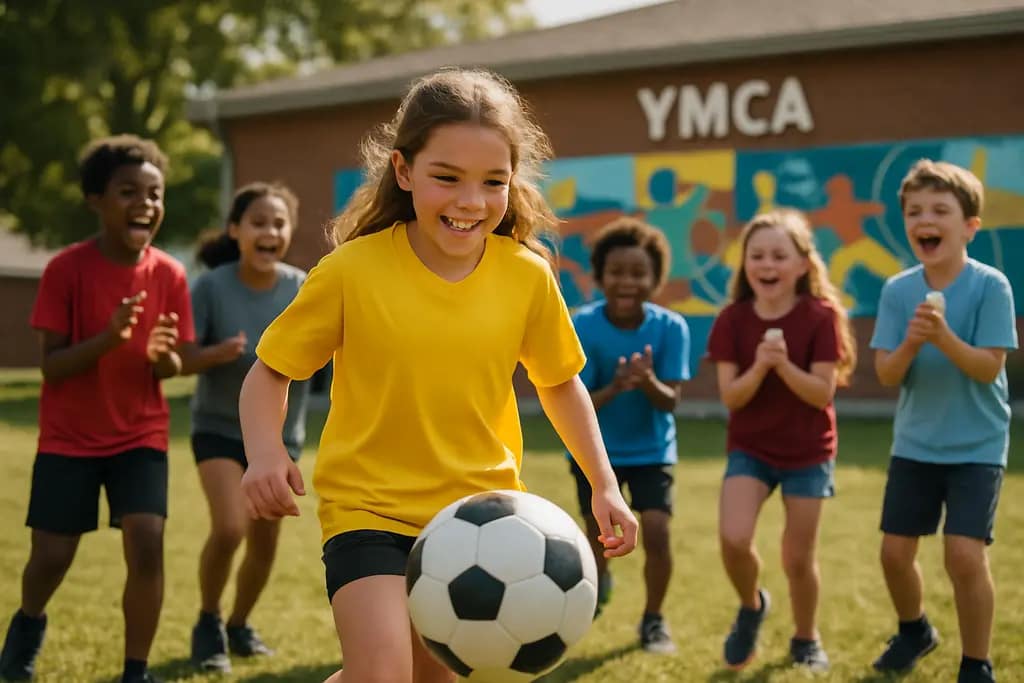
Soccer YMCA Partnership gives communities a clear sports-first model: use trusted local branches, trained coach-mentors, and small safe playing spaces to connect young people with soccer, health, and belonging. On April 27, 2023, the U.S. Soccer Foundation and a coalition of 16 YMCA branches launched “The Road to 2026: Making an Impact in Local Communities,” with a stated goal of expanding access to soccer and its health and wellness benefits to at least 1 million youth in YMCAs by the time FIFA World Cup 2026™ was held YMCA announcement.
That goal matters because it connects a global soccer moment to everyday youth development. The model did not depend on a single tournament, team, or short event. It used after-school programming, YMCA sites, coach training, and mini-pitches to make soccer easier to reach in local communities. As of August 27, 2026, the launch date and Healthy Kids Day activations are past events, and the 1 million-youth target should be read as a public campaign goal tied to the 2026 tournament period unless the organizations release a final count.
How Soccer YMCA Partnership Builds Access
Soccer YMCA Partnership As A Program Model
The strength of this model starts with where young people already gather. YMCA branches often serve families through youth programs, wellness activities, and after-school spaces. The Foundation partnership placed soccer inside that existing community setting rather than asking families to find a new system on their own. That approach can lower the distance between a child and a safe place to play, especially for families already connected to a local Y.
The participating Ys named in the April 27, 2023 announcement included branches in the 11 U.S. FIFA World Cup 2026 host cities. The coalition included Greater Austin YMCA, Greater Philadelphia YMCA, Hockomock Area YMCA, YMCA of Greater Boston, YMCA of Greater Cincinnati, YMCA of Greater Houston, YMCA of Greater Kansas City, YMCA of Greater New York, YMCA of Greater Seattle, YMCA of Metro Atlanta, YMCA of Metropolitan Dallas, YMCA of Metropolitan Los Angeles, YMCA of the North, YMCA of San Francisco, YMCA of San Diego, and YMCA of Silicon Valley. That range shows how the campaign linked national coordination with local delivery.
Why Local Branches Matter
For community leaders, Soccer YMCA Partnership offers a useful example of shared infrastructure. The Foundation brought soccer programming and field-building experience. The Ys brought trusted neighborhood sites and youth-serving capacity. The campaign said participating YMCAs would offer Soccer for Success after-school programming and Just Ball League where applicable, while also supporting mini-pitch installations at YMCA branches.
Mini-pitches are more than smaller fields. In this model, they are practical youth development spaces. They can support shorter games, small-sided play, coach-led sessions, and informal activity. The YMCA announcement reported community survey results tied to mini-pitch installations: 99% of residents said people were more active, 98% said their community felt safer, and 91% said the mini-pitch served as a community hub. Those figures show how sports infrastructure can support both movement and neighborhood connection.
What Soccer For Success Adds To Youth Development
Coach-Mentors And Consistent Practice
Soccer for Success is the Foundation’s after-school or in-school program. Its value is not limited to ball control, passing, or finishing. The program’s public impact metrics report that more than 700,000 children have built positive skills through Soccer for Success, with 88% reporting better teamwork, 86% showing positive behaviors such as staying in school, and 83% adopting healthier, more active habits Soccer for Success results.
Those outcomes connect directly with youth development. Teamwork is a daily habit in soccer: players have to share space, communicate, recover after mistakes, and support teammates. Staying in school links sport to long-term opportunity. More active habits connect field time with health. The Soccer YMCA Partnership also points to the importance of coach-mentors, because young people often learn best when the adult on the field is both instructor and steady supporter.
Healthy Kids Day As A Launch Moment
The April 2023 launch was tied to Healthy Kids Day on April 29, 2023. According to the YMCA announcement, the Foundation and Ys held virtual Coach-Mentor Training for all branches on April 28 and April 30, 2023. They also celebrated the opening of a mini-pitch at the YMCA of Greater Seattle’s Auburn branch on April 29, 2023. Those dates show how the campaign connected training, public celebration, and facility access within one weekend.
That sequence matters for communities trying to build strong youth sports programs. A field alone does not teach teamwork. A curriculum alone cannot serve children without a place to play. A coach training session has more impact when families can see where their children will gather. The campaign’s structure brought those pieces together: people, program, and place.
Community Impact Beyond The Field
From Host Cities To Neighborhood Play
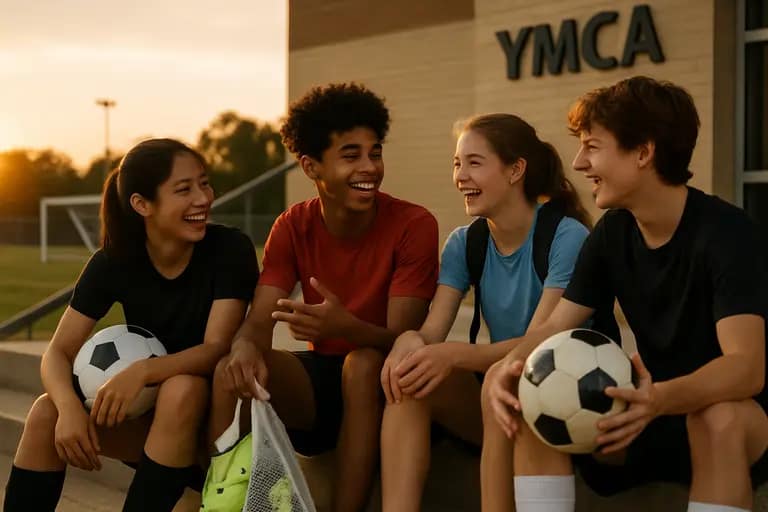
The 2026 World Cup gave the campaign a public timeline, but the deeper community value sits in what happens after the opening event. Soccer can be a low-equipment sport, yet access still depends on safe space, adult guidance, and scheduling that works for families. By working through YMCA branches, the Foundation’s model placed soccer in settings where youth programming already has a community base.
This is especially relevant for school and after-school partners. Soccer for Success includes after-school or in-school programming, which connects field activity to school habits and social growth. The reported 86% positive behavior figure, including staying in school, gives schools and youth organizations a reason to view soccer as more than recreation. It can be part of a broader support system for attendance, confidence, and peer connection.
A Shared Model For Community Sports
The campaign also offers lessons for other sports-based youth programs. The model has several parts that can be adapted by community organizations without losing the sports-first focus:
- Use trusted local sites: YMCA branches create familiar entry points for families.
- Train adults as coach-mentors: Young athletes need skill instruction and consistent support.
- Pair programs with places to play: Mini-pitches make regular sessions easier to host.
- Measure outcomes: Teamwork, school-related behavior, activity levels, and community safety give partners shared markers of progress.
For readers tracking how soccer can support young people across Texas and the United States, the same access questions appear in many community sports settings. Local leaders can compare this model with broader discussions about youth development opportunities through soccer, especially where schools, parks, clubs, and nonprofits share responsibility for access.
What The Soccer YMCA Partnership Means For Youth
The most encouraging part of the Soccer YMCA Partnership is its belief that youth sports access can be planned with care and scale. The campaign connected 16 YMCA branches, U.S. World Cup host-city energy, Soccer for Success, Just Ball League where applicable, mini-pitches, and coach-mentor training. Each part serves a clear purpose: bring more children into the game, give them supportive adults, and make play safer and more consistent.
Because the 1 million-youth figure was announced as a target, communities should continue to look for official post-campaign reporting from the Foundation and YMCA partners. The available public facts already show a strong program model. It is built on soccer, but its reach is wider: healthier habits, stronger teamwork, positive school-related behavior, safer shared spaces, and local pride around places where young people can play.
For families, coaches, and community partners, the lesson is hopeful and practical. Youth sports programs grow when access, coaching, and community trust are planned together. Soccer gives the activity. The YMCA network gives the neighborhood connection. The Foundation’s program model gives structure. Together, those pieces show how a simple ball and a safe field can support personal growth while helping communities gather around their young people.